The Psychology of Minimalism: How Simplifying Your Home Can Improve Mental Clarity
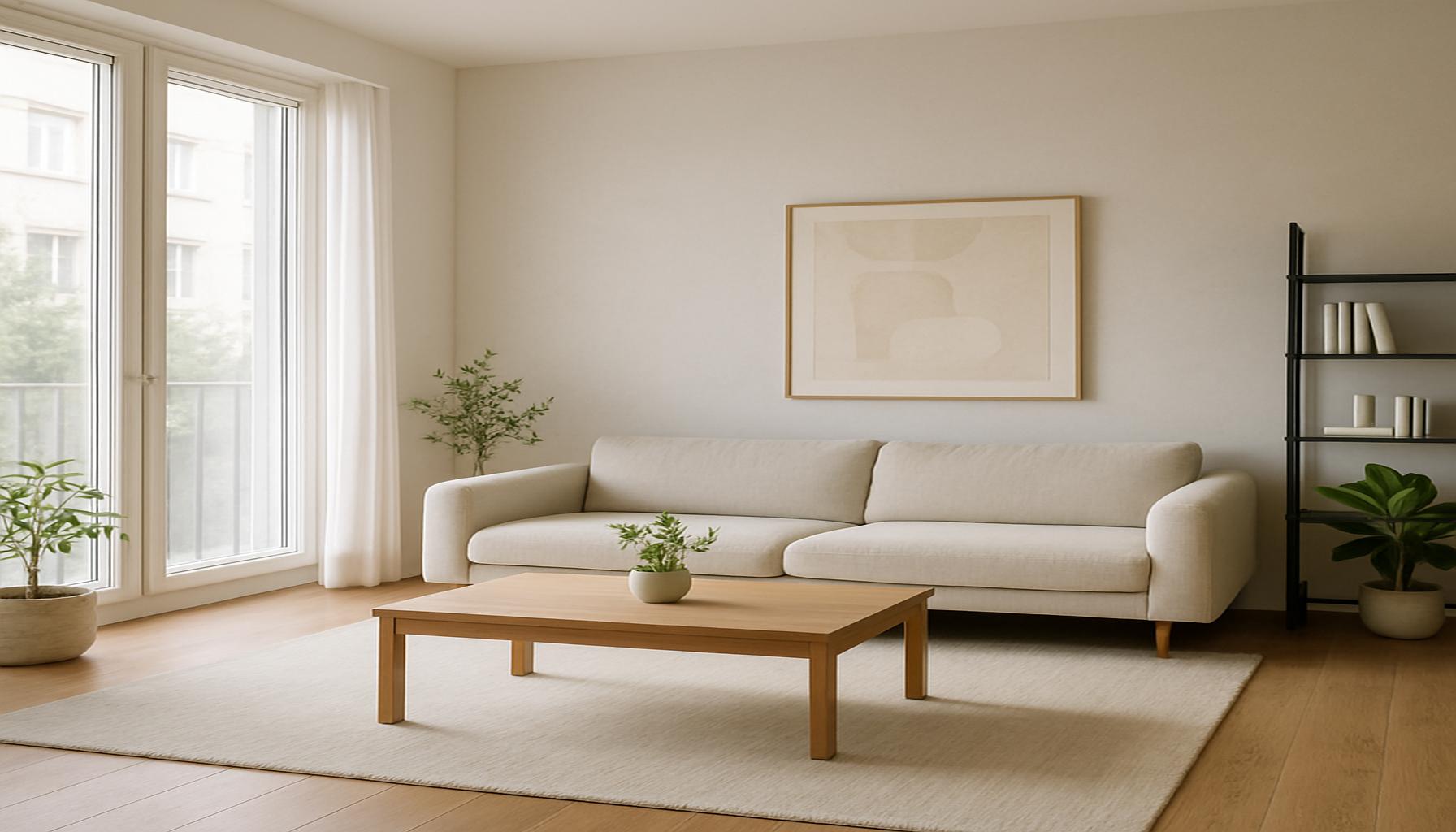
Understanding the Impact of Clutter on Mental Well-Being
In today’s fast-paced world, clutter can lead to mental chaos, making it increasingly difficult for individuals to find peace in their own spaces. Numerous studies have indicated that the physical environment we occupy plays a crucial role in our mental health and emotional stability. For many, adopting a minimalist lifestyle offers a pathway to achieving greater mental clarity and enhanced emotional resilience. By consciously choosing to eliminate excess, individuals are often surprised by the profound changes in their mindset.
Benefits of Embracing Minimalism
When one opts for minimalism, the changes are not just superficial; they resonate deeply within various aspects of life. Consider the following advantages:
- Reduces Stress: Living in a clean, uncluttered environment significantly decreases distractions. A chaotic space can evoke feelings of anxiety and overwhelm, while a minimalist setting promotes a sense of calm and order. For example, organizations like the National Institute of Mental Health have observed that individuals often report lower levels of stress and a greater sense of control when their surroundings are clean and organized.
- Boosts Productivity: In the workplace, minimalism can be a game-changer. Studies suggest that employees who work in simplified environments tend to be more focused and less likely to experience burnout. This is particularly relevant in co-working spaces and home offices, where distractions can easily pile up, hindering efficiency.
- Enhances Creativity: Creative professionals have long touted the benefits of a decluttered workspace. With fewer visual distractions, the mind is free to roam and discover new connections. The renowned architect Frank Lloyd Wright famously said, “The space within becomes the reality of the space without,” indicating that a clear mind can lead to clearer ideas.
Importantly, minimalism is not merely a trend; it is a genuine lifestyle choice gaining traction across the United States. From the rising popularity of tiny homes to community decluttering events, individuals are discovering that simplicity can enhance their quality of life. Documentaries like “Minimalism: A Documentary About the Important Things” have further sparked interest, showcasing real-life transformations stemming from the adoption of minimal habits.
Psychological Insights into Minimalism
As you explore the principles of minimalism, you may uncover unexpected insights into your own habits and desires. Engaging in a thoughtful decluttering process often reveals hidden attachments to material possessions, prompting reflection on what truly adds value to our lives. This self-discovery aspect is a vital part of the psychology of minimalism, leading individuals to make more intentional choices about their environment and belongings.
Are you ready to embark on this transformative journey toward a clearer mind and a more focused life? Understanding and embracing minimalism could serve as your first step towards achieving lasting peace and enhanced productivity, fostering a life in which you can connect more deeply with yourself and the world around you.
The Transformative Power of Decluttering
Engaging with a minimalist lifestyle begins with decluttering, a practice that can significantly impact our mental clarity. The act of removing excess belongings not only clears physical space but also creates a psychological void filled with opportunities for growth and creativity. As individuals sift through their possessions, they often come face-to-face with the emotional weight of items that no longer serve them. This process can be both liberating and enlightening, enabling a deeper understanding of personal values and priorities.
Emotional Attachment and Its Detriments
Many individuals unknowingly cling to material possessions due to emotional attachments, believing that these items define their identity. Whether it’s a dusty trophy from high school or a collection of clothes that no longer fit, these remnants of the past can linger, creating a sense of emotional clutter. Psychologists suggest that this attachment can lead to feelings of guilt or anxiety when faced with the prospect of sorting through these belongings. However, confronting these emotions head-on can lead to powerful breakthroughs. By reevaluating what truly matters, individuals can cultivate a home environment that reflects their current selves, rather than a past identity that may no longer resonate.
Strategies for Effective Decluttering
To successfully navigate the decluttering process, individuals may find it helpful to employ specific strategies that make the journey smoother. Consider the following actionable steps:
- Start Small: Consider tackling one room or area at a time. This approach prevents feeling overwhelmed and allows for a more thorough evaluation of each space.
- Set Clear Goals: Define what minimalism means to you. For instance, are you aiming for an orderly living room or a workspace free of distractions? Having a clear target can drive focus during the decluttering process.
- Utilize the 90/90 Rule: Ask yourself whether you have used a particular item in the last 90 days or if you will use it in the next 90 days. If the answer is “no,” it may be time to let it go.
- Embrace the “Four-Box Method”: Label four boxes as “keep,” “donate,” “sell,” and “discard.” As you sort through items, placing them into categories can simplify decision-making.
Implementing these strategies not only fosters a more minimalist living environment but also promotes a clearer mindset. As individuals witness the tangible results of their efforts, they often find an increase in motivation and an undeniable sense of achievement. This newfound clarity paves the way for improved focus, better prioritization of tasks, and ultimately, a sense of tranquility greater than what cluttered spaces can offer.
The Ripple Effect of a Simplified Space
Although the decision to embrace minimalism may stem from a desire for a more organized home, the benefits can extend far beyond the physical realm. A simplified environment fosters not only clarity in thoughts but also clarity in goals and aspirations. As one’s home transforms into a sanctuary, it can inspire a rejuvenated approach to life’s challenges and pursuits. For many, this journey toward minimalism serves as a catalyst for personal growth, leading to enriched relationships and a deeper connection with oneself.
| Advantage | Description |
|---|---|
| Enhanced Focus | By reducing distractions, a minimalist home allows for improved concentration on important tasks. |
| Reduced Stress | A simplified environment can lead to lower anxiety levels, creating a calm and peaceful atmosphere. |
| Improved Decision-Making | Less clutter means fewer choices, making it easier to make decisions quickly and efficiently. |
| Clarity of Purpose | A defined space encourages personal reflection, enabling individuals to focus on their goals. |
Understanding the psychological implications of minimalism reveals just how significantly our surroundings influence our mindset. The home environment acts like a canvas, and the lack of overwhelming visuals can help paint a clearer mental picture. When you declutter your home, you’re not merely rearranging furniture; you’re actively reshaping your mental state. The principles of minimalism contribute not only to a more aesthetically pleasing space but also enhance cognitive functions. Research often links a cluttered environment to heightened stress levels, with studies suggesting that individuals in orderly spaces experience a greater sense of peace and well-being. By embracing a minimalist lifestyle, individuals report increased energy, creativity, and the vital ability to focus on what truly matters, thus fostering a stronger connection to their inner selves and promoting mental clarity.
The Connection Between Minimalism and Mental Health
Understanding the psychology behind minimalism reveals its profound relationship with mental health. Studies consistently show that living in a clutter-free environment can reduce stress and anxiety levels. A 2010 study published in the Personality and Social Psychology Bulletin found that individuals surrounded by more clutter report increased cortisol levels—an indicator of stress in the body. By embracing a minimalist lifestyle, individuals can not only reduce the chaos around them but also mitigate the internal chaos that often accompanies it.
Mindfulness and Presence
Minimalism encourages a practice of mindfulness, urging individuals to be present in the moment. By minimizing distractions, whether they be physical items or digital notifications, one can cultivate a deeper awareness of their surroundings and their own thoughts. Research from the University of Massachusetts suggests that practicing mindfulness can enhance emotional regulation, allowing individuals to respond to life’s challenges rather than react impulsively. For those navigating mental health struggles, this can be particularly vital, turning a chaotic environment into a space that promotes calm and introspection.
Environment and Behavior
The concept of environmental psychology provides insight into how our surroundings can influence our behavior and well-being. Our homes act as mirrors reflecting our mental states. Cluttered spaces often lead to disorganization in thought processes, making it hard to concentrate on tasks and set achievable goals. In contrast, a minimalist environment, characterized by intentional design and minimal distractions, has been linked to enhanced productivity and creativity. When the physical space is aligned with one’s aspirations, it becomes easier to pursue them without the burden of excess baggage, both literally and figuratively.
The Role of Intentionality
Embracing minimalism is more than just about reducing belongings; it’s about cultivating intentionality in every aspect of life. This intentionality translates into decision-making processes where individuals assess various areas—from what to keep in their home to how they manage their time. By being intentional about their environment, individuals report feeling more empowered in other areas of their lives, leading to a greater sense of control over their emotions and actions. Research indicates that enhancing personal agency and reducing ambiguity can directly correlate with improved mental health outcomes.
The Social Aspect of Minimalism
The journey towards minimalism doesn’t have to be taken alone. Many find community and support in online groups, local workshops, or social media movements that celebrate this lifestyle. Engaging with others who share similar values provides a sense of belonging and accountability, which are essential components for improved mental health. Social connections foster resilience, and sharing experiences related to decluttering or minimalism can reinforce positive living habits. As individuals bond over shared goals, they not only encourage each other but also strengthen their networks of support—another vital element in maintaining mental well-being.
Ultimately, the psychological benefits of adopting a minimalist lifestyle are as profound as its physical advantages. By creating a space that promotes clarity, mental health supports a more fulfilling and meaningful existence. For those grappling with modern life’s demands, turning towards minimalism may just be the key to unlocking a more serene and purposeful life.
Conclusion
As we navigate an increasingly complex world, the psychology of minimalism offers a refreshing approach to enhancing our mental clarity and overall well-being. By intentionally simplifying our living spaces, we can cultivate environments that reduce stressors and promote clearer thought processes. The profound benefits of a minimalist lifestyle extend beyond physical decluttering; they encompass emotional regulation, increased mindfulness, and a notable shift in perspective towards what truly matters in life.
Furthermore, embracing minimalism encourages us to make conscious decisions that foster a sense of control over our environments and lives. The ripple effect of these changes can inspire greater emotional resilience and help us manage the challenges we face daily. As individuals share their journeys through supportive communities, they find not only accountability but also a deeper sense of belonging—an essential component of a mentally healthy life.
The connections between our physical surroundings and mental states are undeniable, prompting us to consider how we can reshape our homes to better serve our mental well-being. Whether through decluttering techniques or adopting a more minimalist philosophy, individuals stand to gain significant psychological benefits. In a society often defined by excess, minimalism invites us to take a step back and reassess what is truly essential, leading to a more peaceful, balanced, and meaningful existence. Therefore, as you explore the principles of minimalism, remember that this journey is not merely about ownership; it is about reclaiming your mental space and finding clarity amidst the chaos.
Related posts:
Multifunctional Furniture: Maximizing Space and Organization in a Minimalist Home
The Importance of Routine in Maintaining a Minimalist Organization
Organization of Closets: Tips for a Minimalist and Functional Wardrobe
Creating a Minimalist Home Office: Tips for an Efficient and Organized Workspace
The Art of Letting Go: How Minimalism Transforms Home Organization
Essential Tools for Home Organization: Streamlining Your Space with Minimalist Principles

Linda Carter is a writer and organization expert specializing in minimalism and personal organization. With extensive experience helping individuals create clutter-free, functional spaces and adopt mindful habits, Linda shares her knowledge on our platform. Her goal is to empower readers with practical advice and strategies to simplify their lives, stay organized, and achieve a sense of calm and balance in their daily routines.