The Influence of Colors and Lighting on Organization and Productivity in Minimalist Work Environments
The Significance of Color and Lighting in Work Environments
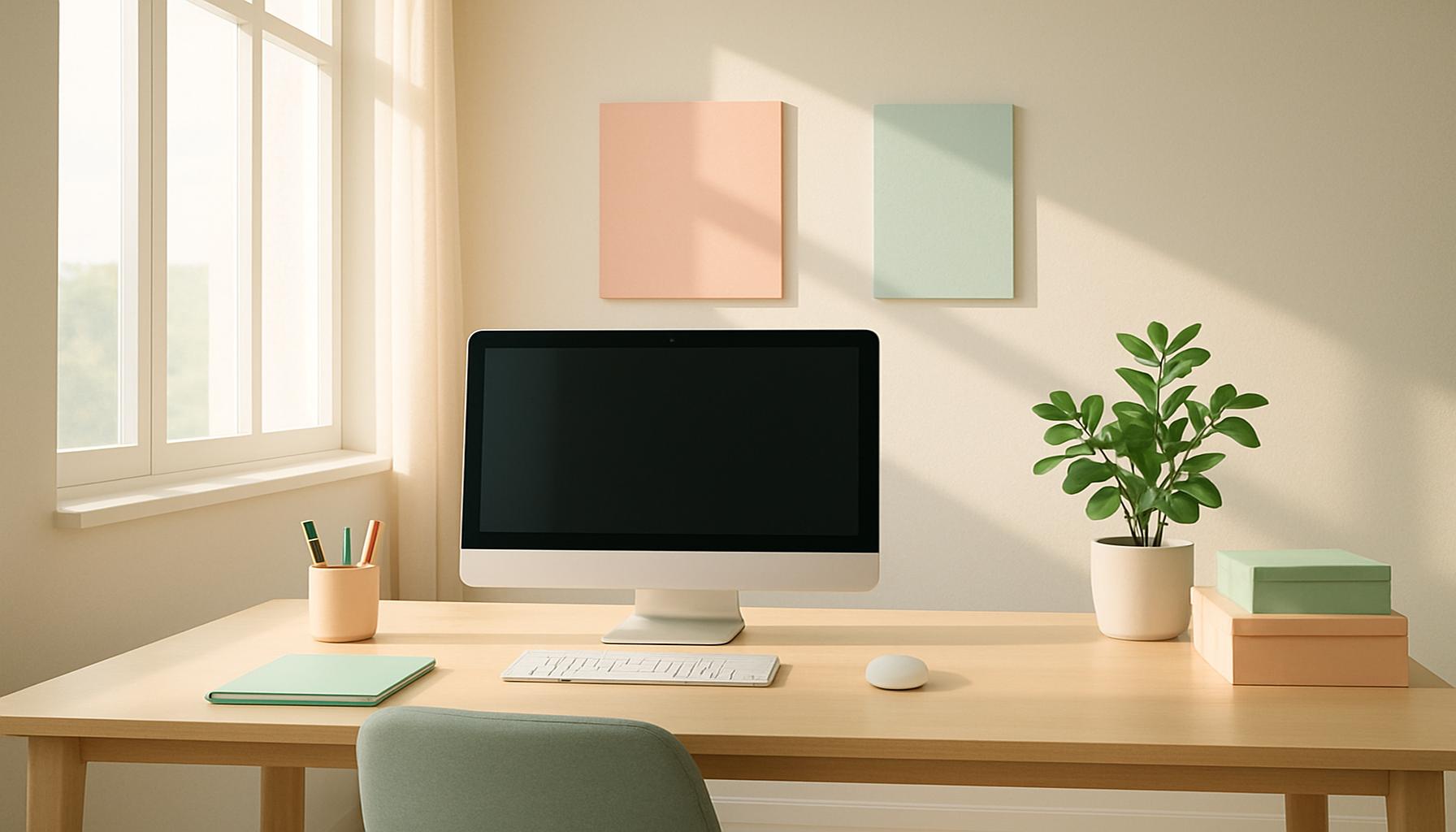
In contemporary work culture, where efficiency and creativity are paramount, the design of minimalist work environments has taken center stage. The subtle but powerful interplay between colors and lighting within these spaces has proven to deeply affect not just the aesthetic appeal but also the organization and productivity of employees.
Extensive research in environmental psychology reveals that certain hues and lighting conditions have the ability to evoke emotional responses and impact performance levels. For instance, the color blue is often linked to calmness and concentration, making it an ideal choice for tasks that require focus, such as programming or writing. This is why many tech companies, like IBM, have opted for blue in their office designs. In contrast, the color yellow is known for its energizing properties and can stimulate creativity, making it a great choice for brainstorming sessions and collaborative workspaces.
Moreover, access to natural light has been scientifically proven to enhance mood and increase productivity, with studies indicating that employees working near windows report higher energy levels and overall satisfaction with their work environment. For example, Google’s offices feature expansive windows and open areas bathed in natural light, creating a bright atmosphere that encourages employees to engage and innovate.
Delving deeper into the psychological aspects surrounding colors and lighting can empower organizations to tailor their environments to the specific demands of various tasks. The right combination of these elements can lead to:
- Enhanced employee focus: Optimal lighting minimizes distractions and helps maintain concentration for prolonged periods.
- Better team collaboration: Colors that promote positivity and openness can foster a sense of belonging, improving team dynamics.
- Reduction in eye strain and fatigue: Appropriate lighting reduces the risk of discomfort associated with prolonged screen exposure, leading to healthier work habits.
It is crucial for organizations to regularly assess their workspace design and ask the pivotal question: Are your workspaces optimized for peak productivity? By exploring the dynamic effects of color and lighting, employers and employees alike have an intriguing opportunity to harness their collective potential. Ultimately, leveraging these often-overlooked elements can elevate work performance and employee well-being, creating a stimulating environment where creativity and efficiency thrive.
The Power of Colors in Minimalist Workspaces
Colors are not merely a visual embellishment; they possess the profound ability to affect our emotions and behavior. In minimalist work environments, where every element is curated to promote simplicity and functionality, the choice of color can play a pivotal role in shaping the atmosphere—a factor that directly influences organizational effectiveness and employee productivity.
Consider the color green, often associated with tranquility and balance. In a workplace adorned with shades of green, employees may experience reduced stress levels, which is essential for fostering an inviting environment for problem-solving and critical thinking. A study from the University of Texas showed that workplaces enriched with greenery and green accents improved overall employee well-being, promoting clearer thinking and enhanced focus.
On the flip side, red has a stimulating effect, known to increase energy and urgency. This intensity can be beneficial in environments where quick decision-making is vital, such as sales or emergency response units. However, when overused, red can lead to feelings of anxiety or aggression, emphasizing the need for balance in color application. Therefore, understanding the psychological undercurrents associated with different colors is crucial for optimizing workspace design.
Strategic Application of Color Schemes
Organizations looking to harness the influence of color can strategically select palettes that align with their goals and work activities. Here are some effective approaches:
- Task-Specific Colors: Using distinct colors for specific areas can delineate spaces by purpose—soft blues in quiet zones for concentration and brighter hues in collaborative areas for interaction.
- Psychological Impact: Combining cooler colors with warmer accents can maintain an inviting atmosphere while energizing employees at crucial moments.
- Brand Identity: Integrating brand colors into the workspace can enhance cultural alignment and motivate employees by instilling pride in their environment.
Moreover, research from the National Center for Biotechnology Information suggests that the strategic use of color can lead to improved performance and reduced errors in tasks. For instance, those working on analytical processes in blue-hued spaces have been shown to make fewer mistakes than in neutrally colored environments. This evidence highlights the significant role of color in fostering not just creativity but also critical thinking.
As organizations plunge into the intricacies of designing effective minimalist workspaces, it becomes evident that the interplay of colors impacts employee well-being and productivity immensely. Careful consideration of color selection—backed by an understanding of its psychological effects—can be a key differentiator in creating a productive and harmonious workplace environment.
| Effects of Color | Impact on Productivity |
|---|---|
| Warm Colors | Promote energy and enhance focus |
| Cool Colors | Provide calmness, aiding concentration |
| Natural Lighting | Reduces eye strain, enhancing visual comfort |
| Artificial Lighting | Need to mimic natural light for optimal output |
In minimalist work environments, the interplay of colors and lighting significantly affects organization and productivity. Research indicates that warm colors, such as reds and oranges, instill a sense of energy, motivating individuals to tackle tasks effectively. Conversely, cool colors, including blues and greens, foster tranquility, which can heighten concentration levels, particularly in tasks requiring prolonged focus.Moreover, the presence of natural light in workspaces is paramount. Employees exposed to natural sunlight experience reduced eye strain and increased satisfaction, subsequently elevating overall efficiency. When considering artificial lighting, it is crucial to mimic the qualities of daylight to create a similar ambiance that improves cognitive performance. This intricate relationship between color choices, lighting quality, and workspace design plays a pivotal role in shaping an environment that not only promotes organizational skills but also enhances overall productivity. As organizations evolve, leveraging these elements strategically can lead to significant advancements in employee engagement and output.
The Impact of Lighting on Focus and Efficiency
While colors undoubtedly shape the visual ambience of minimalist workspaces, lighting emerges as another critical component that influences organizational dynamics and employee productivity. The right lighting can enhance mood, boost efficiency, and improve overall cognitive function, making it a cornerstone in workspace design.
There are typically two main types of lighting: natural and artificial. Natural light, when integrated effectively, has been shown to produce significant benefits for workers. According to a study by the Harvard Business Review, employees who have access to natural light report 51% higher energy levels and 63% higher well-being. This is particularly relevant in minimalist environments, where unobstructed views and clean lines contribute to a seamless transition between indoor and outdoor spaces.
For instance, large windows in a workspace not only provide natural illumination but also create a perception of openness, encouraging creativity and innovation. Building designs that prioritize natural light can diminish the need for artificial lighting during daylight hours, which is an added benefit for sustainability-focused organizations. Conversely, minimalistic workspaces with limited natural light may rely heavily on artificial illumination, which can be detrimental to focus and performance if not executed thoughtfully.
Artificial Lighting: Types and Strategies
When natural light is insufficient, artificial lighting emerges as a vital necessity. In minimalist workspaces, the choice of lighting can vary based on task requirements and employee preferences. Here are some strategies organizations can employ:
- Color Temperature: Selecting lights with warmer color temperatures (around 2700K to 3000K) can create a cozy atmosphere conducive to collaboration, while cooler temperatures (5000K to 6500K) can enhance alertness and concentration during focused tasks.
- Task Lighting: Incorporating adjustable desk lamps or under-cabinet lighting allows employees to tailor their environment to their specific tasks, ensuring optimal conditions for concentration and reducing eye strain.
- Dimmer Switches: Installing dimmers facilitates a mix of light intensities throughout the day, coordinating with work phases—bright light for brainstorming sessions and softer light for quiet reflection.
Moreover, the type of artificial lighting used holds paramount importance. Fluorescent lights, commonly found in traditional offices, have often been criticized for causing discomfort and reducing productivity due to their harsh glare. In contrast, LED lighting offers a more energy-efficient alternative, providing customizable options that can mimic natural daylight. A study published in the Journal of Environmental Psychology found that employees exposed to LED lighting experienced improved concentration and satisfaction, suggesting that lighting choice extends beyond aesthetic appeal into the realm of performance.
Thus, it becomes clear that both color schemes and lighting choices play integral roles in forging a productive minimalist workspace. By prioritizing these elements, organizations not only invest in the physical environment but also actively nurture a workplace culture that champions efficiency and employee well-being.
Conclusion
In a world where workplace efficiency and employee well-being are paramount, understanding the influence of colors and lighting in minimalist work environments becomes essential. The strategic use of colors fosters an atmosphere that encourages focus, creativity, and collaboration. From calming blues that mitigate stress to energizing yellows that inspire innovation, color selection can significantly impact mood and productivity.
Equally important, the integration of natural and artificial lighting serves to enhance cognitive function and overall job satisfaction. Research consistently highlights that exposure to natural light can elevate energy levels and promote a positive work environment, while well-considered artificial lighting—through strategies like color temperature adjustments and task lighting—can accommodate diverse work needs, making the workspace more adaptable and functional.
Moreover, the minimalist approach to design complements these concepts by stripping away distractions and creating a focused environment, allowing employees to engage more deeply with their tasks. As modern organizations continue to adapt to the evolving landscape of work, investing in the right palette of colors and lighting configurations may hold the key to unlocking greater organizational potential.
As we look ahead, further exploration into this intersection of color psychology and lighting design will be crucial for businesses aiming to thrive. Embracing these insights not only cultivates a more productive atmosphere but also underscores a commitment to enhancing employee well-being and satisfaction—an investment well worth making for the future of work.
Related posts:
Dismantling the Disorder: Minimalism Strategies for Home Offices
Minimalist Office Organization Strategies to Reduce Clutter and Stress
How Workplace Organization Can Increase Productivity in Minimalist Environments
Organization of the Work Space: How to Implement Minimalism to Achieve a Balance between Aesthetics ...
How Workplace Organization Can Increase Productivity
The Importance of Choosing Minimalist Furniture in Organizing the Workspace

Linda Carter is a writer and organization expert specializing in minimalism and personal organization. With extensive experience helping individuals create clutter-free, functional spaces and adopt mindful habits, Linda shares her knowledge on our platform. Her goal is to empower readers with practical advice and strategies to simplify their lives, stay organized, and achieve a sense of calm and balance in their daily routines.