The Importance of Letting Go: Transforming Your Workspace into a Minimalist and Inspiring Environment
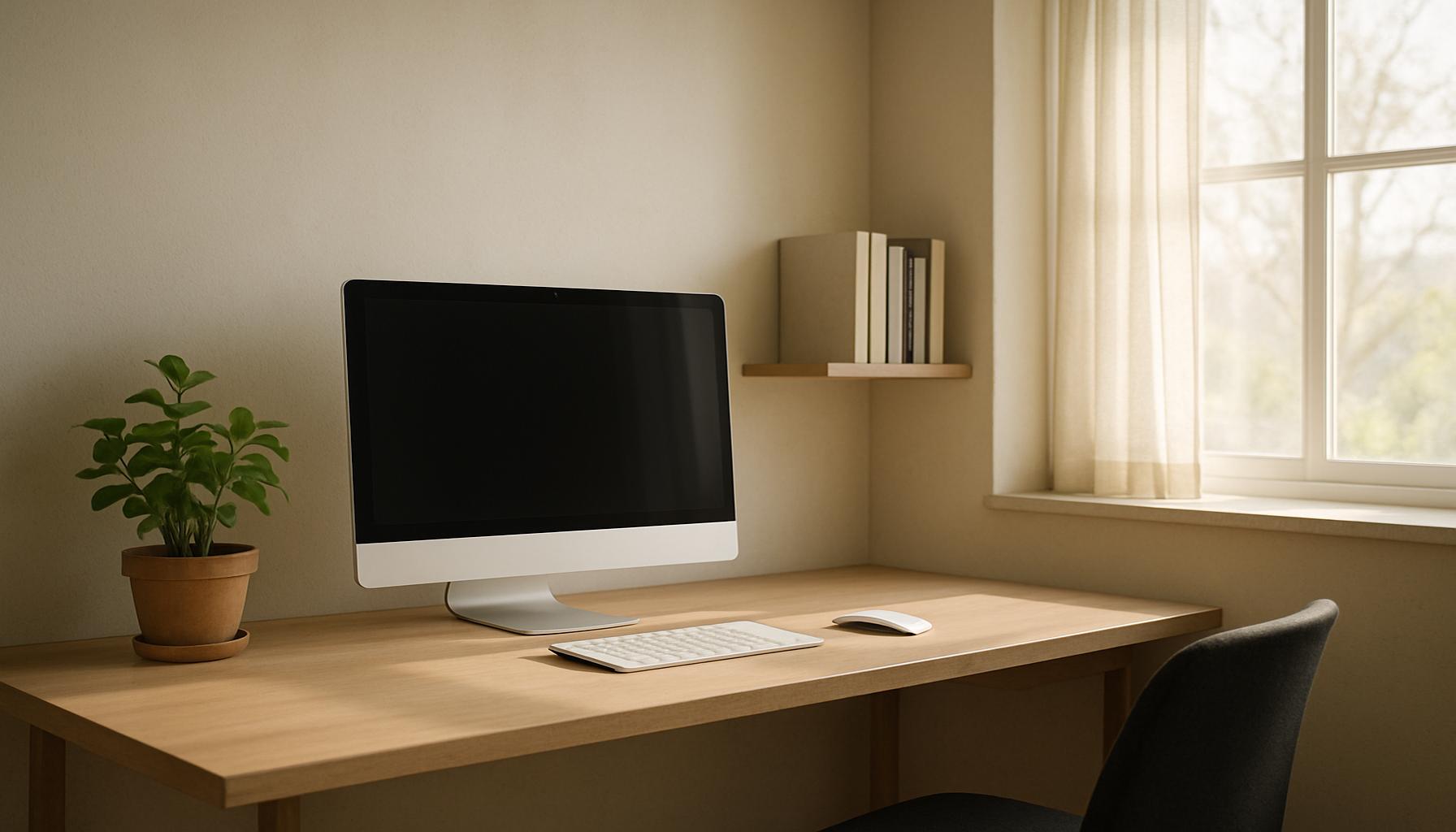
In today’s fast-paced world, many individuals find themselves working in environments that are layered with clutter and distractions. These overwhelming spaces often inhibit creativity and focus, leading to decreased productivity and increased stress. By letting go of the unnecessary items filling your workspace, you can foster an atmosphere that encourages mental clarity and boosts efficiency.
Why Minimalism Matters
Incorporating minimalism into your workspace yields a multitude of advantages, making it a worthwhile endeavor for anyone looking to enhance their work life. Consider the following:
- Enhanced focus: Minimalism helps minimize distractions, allowing you to channel your mental energy more effectively. A tidy desk correlates closely with a tidy mind, as studies have demonstrated that physical clutter can significantly affect your cognitive function.
- Increased productivity: With fewer items vying for your attention, you can complete tasks with greater efficiency. Research indicates that individuals working in uncluttered environments have a better capacity to complete projects, manage time, and meet deadlines.
- Improved creativity: A simple and organized space can ignite innovative thinking. Many creative professionals, including authors and artists, have cited that a minimalist workspace allows their ideas to flow freely, unimpeded by unnecessary distractions.
Transforming Your Environment
Transitioning to a minimalist workspace is more than just a one-time cleanup; it involves a conscious effort to carefully assess what you truly need. Here are some effective strategies to guide your transformation:
- Limit your desk items: Keep only essential tools and materials that you use on a daily basis. Consider a trusty notebook, a pen, and a few personal touches like a framed photo or a plant, which can lift your spirits without creating clutter.
- Utilize storage solutions: Invest in smart organization tools like vertical file organizers, desk trays, or multi-tier shelving units. These systems not only maximize your workspace efficiently but also keep hidden items organized and out of sight.
- Adopt a digital-first approach: Embrace technology to minimize paper clutter. Software applications and cloud storage options allow you to store documents, notes, and even projects without taking up physical space.
If you’re eager to reshape your workspace into a true sanctuary that inspires and enhances productivity, now is the time to evaluate what serves your goals and what does not. Embracing minimalism is a journey of discovery; it empowers you to prioritize elements that contribute positively to your work experience. Start small, let go of the excess, and watch as your workspace transforms into a place of peace and productivity.
Unleashing the Power of Simplicity
Embarking on the journey toward a minimalist workspace goes beyond merely changing your physical environment; it brings with it significant psychological benefits that can profoundly impact your daily life. In the United States, where individuals are often overwhelmed by a barrage of distractions, the mental toll of a chaotic setting is increasingly evident. A cluttered environment can lead not only to diminished focus but also to heightened anxiety levels, making it difficult to thrive. However, embracing minimalism can lead to a systematic reduction in this mental strain, allowing for a clearer mindset and enhanced well-being.
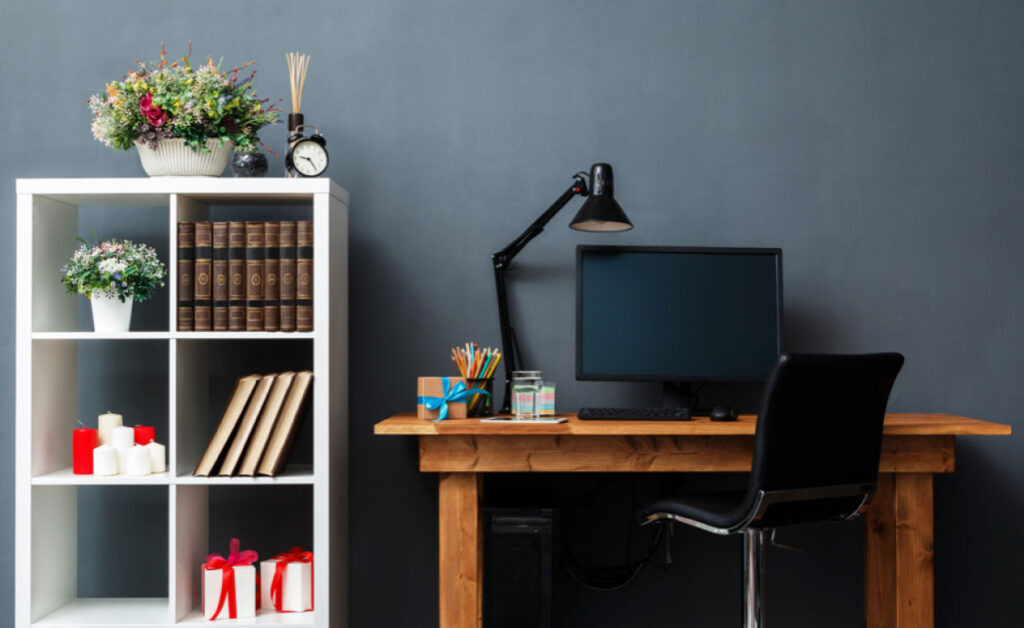
The connection between physical space and mental state is supported by compelling evidence. A revealing study conducted by the Princeton Neuroscience Institute indicated that environments filled with excessive clutter can inhibit one’s ability to concentrate effectively, thereby raising stress levels. The findings suggest that when individuals engage in decluttering, they are not just tidying their immediate spaces but also refining their thought processes. A simplified workspace fosters a sense of calm, mirroring the belief that our surroundings often dictate our emotional states. Thus, establishing harmony in physical spaces can be the first step toward achieving internal balance.
Creating a Calming Atmosphere
Building a minimalist workspace involves careful consideration and strategic choices. This endeavor is not merely about having a tidy desk; it’s about creating an ecosystem that promotes clarity and encourages inspiration. Here are key aspects to consider when making the transition:
- Neutral color palettes: Choose serene colors like soft whites, cool grays, and gentle blues. These hues contribute to a peaceful atmosphere that facilitates concentration and enhances productivity. For instance, tech companies like Apple have showcased how a clean, minimalist aesthetic can elevate the overall workspace experience.
- Natural light: Position your workspace to maximize exposure to natural light, which is essential for maintaining a positive mood and energy levels. Numerous studies indicate that environments with ample sunlight can lead to increased workplace happiness, creativity, and efficiency. Consider adding sheer curtains that filter light softly, which can help mitigate eye strain while still brightening the workspace.
- Mindful decoration: Rather than overwhelming your space with a multitude of items, select a few decor pieces that hold personal significance. This approach allows your workspace to express your individuality while minimizing distractions. A single inspiring piece of art or a cherished photograph can infuse emotional warmth without creating chaos.
Transitioning to a minimalist workspace can initially appear intimidating; however, the long-term rewards are invaluable. The act of letting go not only encourages enhanced creativity and focus but also helps in re-establishing a channel through which thoughts and ideas flow freely. As individuals combat the diversions of a material-driven world, they may rediscover a renewed sense of purpose in their work. By prioritizing simplicity and functionality in workspace design, one cultivates not only an inspiring environment but also a lifestyle steeped in intentionality and mindfulness.
Ultimately, adopting minimalism in the workplace is an invitation to explore a more profound sense of well-being. As you embrace a less-is-more philosophy, you may find that clarity and peace are not just beneficial side effects—they become foundational elements of your daily life.
| Advantage | Description |
|---|---|
| Enhanced Focus | A minimalist environment minimizes distractions, allowing for increased productivity and creativity. |
| Stress Reduction | Decluttering your workspace can lead to a more serene atmosphere, decreasing anxiety and promoting well-being. |
| Increased Space Utilization | Removing unnecessary items allows for better organization and utilization of workspace, fostering greater clarity in tasks. |
| Improved Creativity | A clean, minimal workspace can stimulate fresh ideas and innovative thinking by providing a fresh perspective. |
In embracing the idea of letting go, individuals can transform their workspaces into an inviting and minimalistic zone that sparks inspiration. Implementing strategies to declutter not only creates a visually appealing environment but also promotes mental clarity. Elements such as open space and simplified decor contribute to a peaceful atmosphere, enhancing your ability to concentrate and manage tasks efficiently. This transformation can be particularly beneficial in today’s fast-paced world, where distractions are abundant. As you explore the advantages of a minimalist workspace, consider each benefit that resonates with your journey towards a more organized and inspiring professional environment. Exploring innovative decluttering methods can further ignite your desire to create a space that truly reflects your creativity.
Embracing Mindfulness in Your Workspace
Beyond aesthetics, a minimalist workspace serves as a powerful platform for embracing mindfulness—a practice that both enhances your focus and fosters emotional resilience. The principles of mindfulness can be seamlessly integrated into a minimalist environment, encouraging individuals to engage fully in their tasks while simultaneously maintaining a deep awareness of their thoughts and feelings. Research shows that incorporating mindfulness into daily routines can significantly reduce stress and enhance creativity, making it a critical component of an effective workspace transformation.
One of the key aspects of mindfulness is the practice of being present. By minimizing distractions in their surroundings, individuals can better connect with the tasks at hand. The Japanese concept of “wabi-sabi,” which celebrates the beauty found in simplicity and imperfection, aligns perfectly with this approach. When you apply wabi-sabi principles to your workspace, you begin to appreciate the unique qualities of your environment, which can lead to increased satisfaction and a deeper connection to your work. The focus then shifts toward quality rather than quantity, allowing for a richer engagement with your projects.
Implementing Mindful Techniques
To harness the full potential of a minimalist workspace and cultivate a mindful experience, consider incorporating the following techniques:
- Structured routines: Establishing a consistent daily routine can create predictability and promote effective work habits. By segmenting your day into focused work blocks followed by scheduled breaks, you allow your mind the necessary downtime to recharge. Tools like the Pomodoro Technique, which advocates for working in 25-minute intervals, can be especially useful in maintaining concentration.
- Digital decluttering: In an increasingly digital world, the importance of a clutter-free digital workspace cannot be overstated. Regularly evaluate and delete unnecessary files, emails, and apps that clutter your devices. This practice not only streamlines your workflow but also enables you to approach your digital tasks with a clear mind.
- Breathing exercises: Integrating short mindfulness exercises, such as deep breathing, into your workday can facilitate relaxation and focus. Take a few moments to close your eyes and engage in focused inhalation and exhalation. This practice not only enhances mental clarity but also serves as a reminder to appreciate the present moment amidst any chaos.
As organizations and individuals alike adapt to remote work and flexible office environments, the principles of minimalism and mindfulness remain increasingly relevant. A 2019 survey by the American Psychological Association revealed that nearly 80% of workers reported feeling *overwhelmed* at their jobs, highlighting a significant need for a revitalized approach to the work environment. By consciously shifting toward minimalism and mindfulness, individuals can combat this trend, creating spaces that not only inspire creativity but also promote overall happiness and well-being.
The fusion of mindfulness with minimalist principles creates a unique opportunity for personal and professional growth. As various studies indicate, an inspiring workspace can enhance not only productivity but also job satisfaction. When individuals prioritize letting go of excess in their surroundings, they actively engage in the process of transformation, allowing their workspaces to reflect the clarity and purpose they seek in their professional lives.
Conclusion: The Power of Letting Go
In a world where distractions are abundant and stress levels are rising, the movement towards a minimalist workspace is not just a trend but a necessity. As we’ve explored, letting go of physical and mental clutter significantly contributes to creating an environment that is both inspiring and productive. The principles of minimalism allow you to focus on what truly matters—your tasks, creativity, and overall well-being.
By embracing the ethos of wabi-sabi and integrating mindful techniques into your daily routine, you foster a workspace that promotes clarity and enhances emotional resilience. Structured routines, digital decluttering, and the practice of deep breathing are just a few methods that can pave the way to a more organized environment, which in turn leads to improved job satisfaction and creativity.
As remote work becomes the norm and flexible workspaces prevail, the call for a *transformative approach* to our environments becomes increasingly urgent. The significant findings from studies like the American Psychological Association’s survey underscore the necessity for change, revealing that a staggering number of workers feel overwhelmed by their current arrangements. Therefore, investing time in understanding the impact of minimalism and mindfulness is essential for creating spaces that not only boost productivity but also nurture a sense of peace and purpose.
Ultimately, the journey toward a minimalist workspace is about more than aesthetics—it’s about reclaiming control and enhancing your quality of life. By accepting the importance of letting go, you set the stage for a workspace that not only reflects your professional ambitions but also supports your personal growth. It’s time to transform your environment and experience the profound impact that a minimalist and inspiring workspace can have on your life.
Related posts:
Home Office Organization Strategies: Keeping Simplicity and Functionality
How Minimalism Can Transform Your Workspace into a Productive Environment
Integrating Minimalism in Office Furniture Selection
Digital Minimalism: How to Organize Your Virtual and Physical Workspace
Dismantling the Disorder: Minimalism Strategies for Home Offices
How Workplace Organization Can Increase Productivity in Minimalist Environments

Linda Carter is a writer and organization expert specializing in minimalism and personal organization. With extensive experience helping individuals create clutter-free, functional spaces and adopt mindful habits, Linda shares her knowledge on our platform. Her goal is to empower readers with practical advice and strategies to simplify their lives, stay organized, and achieve a sense of calm and balance in their daily routines.