The Impact of Technology on Minimalist Office Organization
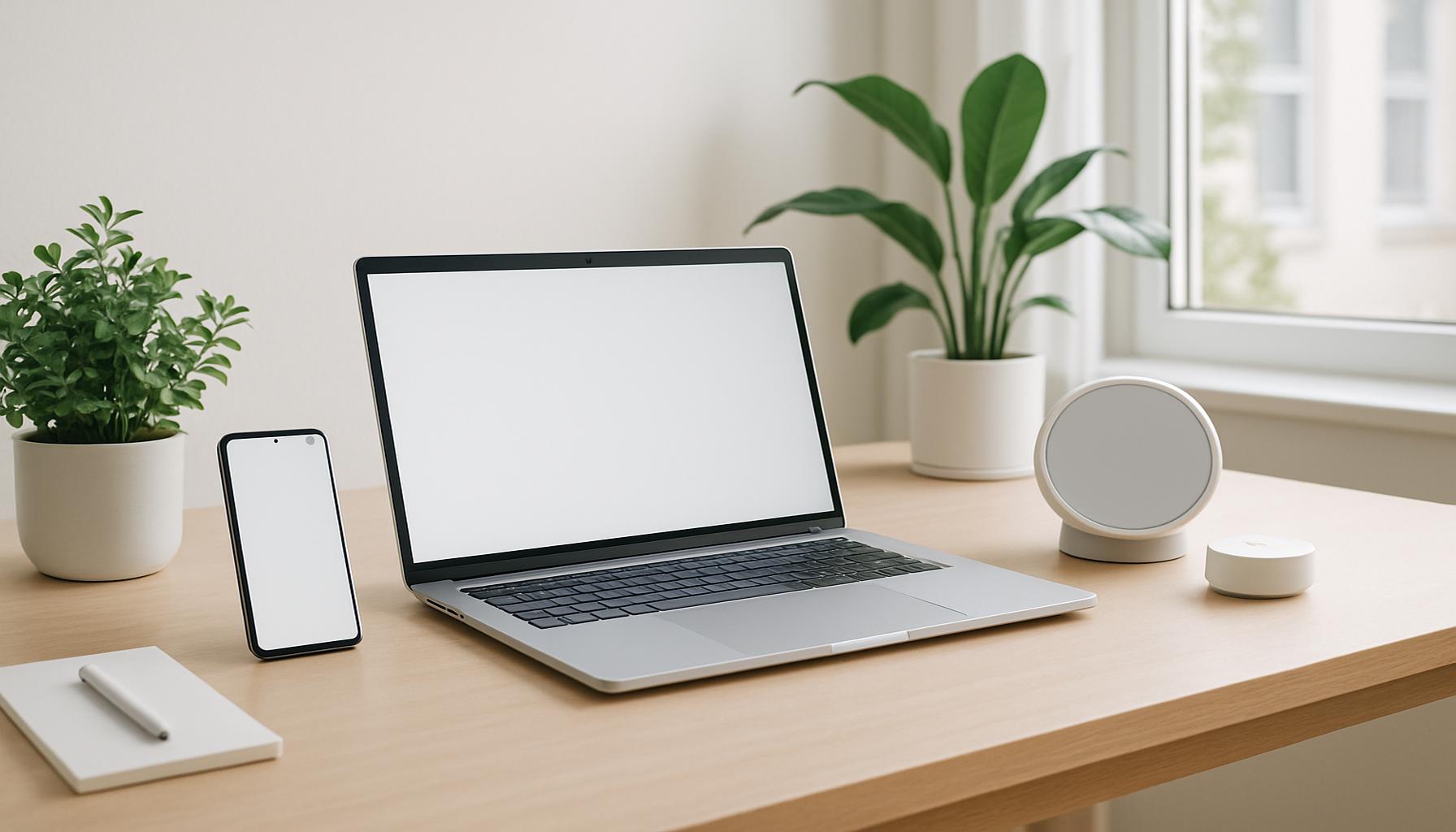
Exploring Modern Trends in Office Design
In the contemporary workplace, where both creativity and efficiency are paramount, the adoption of a minimalist office design has become increasingly popular. This approach emphasizes simplicity by stripping away distractions and focusing on functionality, a transformation significantly bolstered by advancements in technology.
The rapid evolution of digital tools offers numerous ways to enhance workspace organization, aligning perfectly with minimalist principles. Below are several key aspects illustrating how technology facilitates this shift:
- Smart Devices: The advent of smart gadgets such as voice assistants (like Amazon’s Alexa or Google Home) and adjustable smart desks is revolutionizing working environments. For instance, voice assistants can manage schedules, set reminders, and control lighting, enabling users to focus primarily on their tasks without physical clutter. Meanwhile, smart desks can automatically adjust height for standing or seated work, promoting better posture and productivity.
- Cloud Storage: The transition to digital filing systems via platforms such as Google Drive or Dropbox has drastically reduced the need for bulky physical filing cabinets. This liberation from paper not only clears physical space but also makes information retrieval faster and more efficient. As a result, employees can save time and reduce frustration, as their documents are accessible from any device at any location.
- Task Management Software: Tools like Trello and Asana exemplify how technology aids in maintaining an organized workflow. By allowing teams to prioritize and manage tasks visually, these applications minimize the need for sticky notes and paper lists that often clutter desks. Such software enhances collaboration, ensuring that all team members are on the same page without the chaos of paperwork.
- Virtual Meetings: Platforms like Zoom and Microsoft Teams have transformed how teams communicate. Less reliance on physical meeting rooms not only frees up space but also minimizes the need for excess stationery and equipment. This shift contributes to a quieter, more focused workspace, as employees can engage in discussions from their streamlined office setups.
The convergence of technology and minimalism extends beyond just the physical layout of offices. It fosters a mental state conducive to creativity and concentration. With less visual noise and more organized tools, employees often experience reduced stress levels and increased clarity, making it easier to tackle complex projects.
As we continue to explore this intersection of technology and minimalism, it’s important to recognize that these innovations are not merely passing trends. They represent a significant shift in how we conceive of workspaces, making them increasingly conducive to collaboration and efficiency. The future of office design appears promising, paving the way for work environments that not only prioritize productivity but also enhance overall well-being.
Transformative Technologies Shaping Office Environments
The impact of technology on minimalist office organization is both profound and multifaceted. As businesses increasingly prioritize streamlined workflows, the integration of digital solutions aids in transforming traditional office spaces into models of efficiency and clarity. Employees who once grappled with desk clutter now find solace in a tech-driven approach that champions simplicity and organization. Here, we delve deeper into the technological advancements that are revolutionizing office environments.

One of the most significant changes is the growth of smart office technology. With devices connected to the Internet of Things (IoT), workplaces are evolving into highly interactive spaces. For example, automated lighting and temperature control systems can adjust based on occupancy, ensuring comfort without excess. This not only reduces the burden on physical objects such as light switches or thermostats but also fosters an atmosphere conducive to productivity.
Further illustrating this trend is the rise of digital note-taking tools. Applications like Evernote and OneNote empower employees to capture ideas without the need for paper notepads. Such tools often feature organization functionalities, allowing users to categorize and search notes easily, thereby eliminating clutter in both physical and digital spaces. As a result, desks remain clean, freeing mental space for innovative thinking.
Moreover, the implementation of collaborative software has drastically changed how teams interact. Platforms such as Slack and Microsoft Teams facilitate real-time communication, reducing the need for sprawling whiteboards and printed memos. Instead of sticky notes and reminders plastered everywhere, employees can channel their information sharing through organized channels or threads within these applications. This minimizes distractions and promotes a focused work environment.
- Remote Work Flexibility: The COVID-19 pandemic accelerated the adoption of remote work. Technology has made it possible for employees to work from virtually anywhere, necessitating a reconfiguration of office setups. Now, even a small uncluttered desk at home can serve as a productive workspace.
- Integration of Artificial Intelligence: AI tools can automate numerous mundane tasks. From scheduling meetings to managing emails, these innovations remove unnecessary items from desks, ensuring that only essential tools remain in view.
- Digital Subscription Services: With subscriptions to resources ranging from software to ebooks, businesses can access tools on-demand, eliminating the need to store physical copies or software on desktops.
Another critical aspect is the emphasis on sustainability. Minimalist office design complements green initiatives, allowing businesses to reduce their carbon footprint by embracing digital over paper. This commitment not only streamlines operations but also resonates well with environmentally conscious clients and employees, presenting companies as responsible and forward-thinking.
In summary, the nexus between technology and minimalist office organization offers not just aesthetic benefits, but also significant enhancements in productivity and work satisfaction. With tools that encourage organization and reduce clutter, the future of workplace design is set to become increasingly dynamic and efficient, fundamentally altering the way we approach our professional environments.
| Category | Advantages |
|---|---|
| Digital Document Management | Streamlining information access and reducing physical clutter through tools like cloud storage and document-sharing apps. |
| Centralized Communication Platforms | Enhancing team collaboration and keeping conversations organized, making remote work efficient with tools like Slack and Microsoft Teams. |
The minimalist office organization is increasingly transformed by technology, more than just aesthetics; it’s about efficiency, organization, and productivity. By adopting digital document management systems, companies significantly reduce the need for paper storage, leading to sustainable practices and enhanced accessibility. Team members can effortlessly locate essential files, leading to a significant drop in time wasted searching for documents. Moreover, centralized communication platforms eradicate the chaos often associated with multiple communication methods, fostering a culture of clarity and focused collaboration.Technological advancements are not only reshaping how offices look but are also fundamentally altering how work is conducted. Minimalist offices now leverage the power of technology to create a nurturing environment that fosters productivity and supports employee well-being. Implementing such tech-forward solutions might just be the key to thriving in today’s dynamic work landscapes.
Changing Dynamics: The Role of Digital Organization Tools
As the minimalist philosophy takes hold in many offices, digital organization tools have become indispensable allies in this shift. These tools not only foster minimalism but also enhance productivity by providing straightforward ways to manage tasks and information. One of the most notable advancements is in project management software, such as Trello and Asana, which not only organizes tasks but also visualizes workflows. By representing tasks in a clear, grid-like format, team members can easily prioritize their workload without the distraction of physical documents scattered across desks.
Furthermore, the uptake of cloud storage solutions signifies a decisive move away from physical filing cabinets. Services like Google Drive and Dropbox allow businesses to store and share large quantities of documents digitally. This transformation means that employees can access the information they need at any given time, eliminating the need for paper files and unorganized folders. The result is a cleaner office environment as well as less time wasted searching for essential documents.
The convenience of these cloud-based tools can also be seen in their ability to facilitate real-time collaboration. Employees across multiple locations can work together on the same document simultaneously, breaking down geographical barriers and enhancing teamwork. This ability to collaborate effectively without the clutter of printed drafts or handwritten notes significantly supports a minimalist workspace.
Streamlining Communication with Technology
Another transformative factor is the move towards digital communication channels. Gone are the days of lengthy emails filled with back-and-forth exchanges. Instead, tools like Zoom and Basecamp allow for quick, efficient meetings and direct updates without requiring cumbersome meeting setups or tracking down physical messages. These platforms offer transparency, which further enhances office organization by keeping communication threads clean and relevant.
Moreover, the adoption of specialized apps for time management is gaining traction. Tools like Toggl and RescueTime analyze how work hours are spent and report on productivity trends. By identifying time sinks and distractions, employees can better organize their time—supporting a minimalist culture that focuses on efficiency and intention.
Decluttering through Virtual Reality (VR) and Augmented Reality (AR)
Interestingly, emerging technologies such as Virtual Reality (VR) and Augmented Reality (AR) are also beginning to portend new possibilities for minimalist office organization. These technologies can create immersive environments where employees engage with 3D virtual workspaces, helping to visualize projects and reducing reliance on extensive paper trails or charts pinned to walls. As the development of such tools continues, their role in shaping an organized, minimalist office may become increasingly significant.
The expansion of Remote Desktop Services further exemplifies how technology advances a minimalist design. By enabling employees to access their work computers remotely, there is less need for physical hardware at their workstations, allowing for a more spacious and less cluttered environment.
Overall, as technology continues to advance, it will undoubtedly play a crucial role in transforming office organization towards a more streamlined, minimalist approach. By embracing these technological advancements, businesses not only foster a cleaner, more organized workspace but also empower employees to work smarter and more efficiently.
Conclusion: Embracing Technology for a Minimalist Future
In an era where the impact of technology resonates deeply across various sectors, the evolution of minimalist office organization has emerged as a compelling trend. The integration of digital organization tools—from project management software to cloud storage—has not only facilitated a more streamlined workflow but also fostered a culture of clarity and efficiency in the workplace. This shift allows employees to focus on what truly matters, minimizing distractions that stem from physical clutter.
As we’ve explored, tools like Zoom and Slack have redefined communication, promoting real-time exchanges that maintain transparency and relevance. Such technologies eliminate the cumbersome nature of traditional communication methods, thus enhancing overall productivity within a minimalist framework. Moreover, innovations in Virtual Reality (VR) and Augmented Reality (AR) hold promise for even greater possibilities, paving the way for immersive environments that further reduce reliance on tangible documentation.
Looking forward, it is clear that the continuous advancement of technology will only strengthen the minimalist movement in office organization. Employers and employees alike can reap the benefits of a less cluttered environment, which supports creativity and focus. Ultimately, embracing these technological solutions not only simplifies workspace management but also aligns with a broader commitment to sustainability and mindful consumption. This evolution invites us to rethink how we design our workspaces in a way that is both functional and inspiring.
The journey toward a minimalist office is just beginning, and those willing to adapt and harness the full potential of technology will undoubtedly lead the way in shaping efficient and organized workplaces for the future.
Related posts:
How Workplace Organization Can Increase Productivity in Minimalist Environments
Digital Minimalism: How to Organize Your Virtual and Physical Workspace
How Workplace Organization Can Increase Productivity
How Minimalism Can Transform Your Workspace into a Productive Environment
Digital Organization Tips to Enhance a Minimalist Workspace
The Art of Creating a Minimalist Workspace: Practical Tips

Linda Carter is a writer and organization expert specializing in minimalism and personal organization. With extensive experience helping individuals create clutter-free, functional spaces and adopt mindful habits, Linda shares her knowledge on our platform. Her goal is to empower readers with practical advice and strategies to simplify their lives, stay organized, and achieve a sense of calm and balance in their daily routines.