The Art of Letting Go: How Minimalism Transforms Your Home into an Organized Space
Understanding Minimalism’s Impact on Daily Life
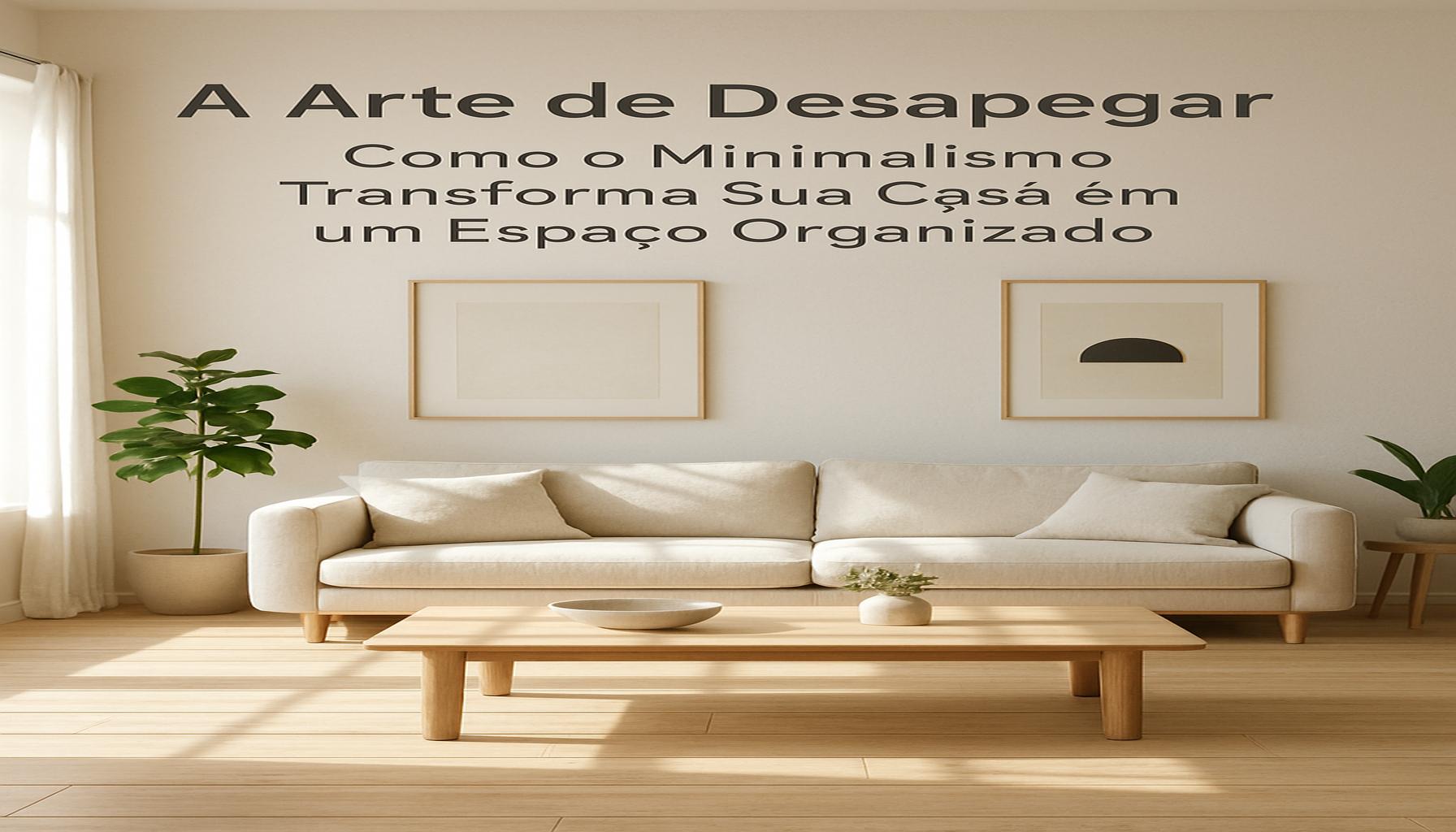
Imagine stepping into a home where each object tells a story, yet only a select few make the cut. Minimalism invites you to explore the profound impact of letting go of excess. It’s not simply about decluttering; it’s about liberating your mind and space, creating a sanctuary that reflects who you truly are. In today’s world, where consumerism often reigns, this approach serves as a refreshing antidote.
Many Americans find themselves surrounded by possessions that no longer serve a purpose. In fact, studies show that the average American home contains over 300,000 items. To initiate change, consider these transformative aspects of minimalism:
- Clarity: A streamlined space fosters clear thinking and reduces stress. Research indicates that clutter can impact mental health negatively by increasing anxiety. By simplifying, you can create an environment that promotes mindfulness and focus.
- Functionality: Every item within your home should have a designated purpose, enhancing utility. This principle urges you to evaluate what you truly need, much like a chef who curates their kitchen tools meticulously, throwing out items that don’t serve a culinary purpose.
- Style: A minimalist approach can elevate your home’s aesthetic and create a more welcoming environment. Spaces adorned with fewer yet intentional decorations often feel more harmonious, sparking joy rather than overwhelm.
Furthermore, the benefits extend beyond physical space. Embracing minimalism can lead to:
- Increased Freedom: Letting go of unnecessary items frees up time and energy. With fewer distractions in your home, you can devote more time to activities that genuinely bring happiness, such as hobbies or spending time with loved ones.
- Environmental Impact: A commitment to minimalism often results in a more sustainable lifestyle. By consuming less, you reduce waste and support environmentally-friendly practices. For instance, choosing quality items that last longer contributes significantly to decreasing carbon footprints.
- Financial Savings: By prioritizing quality over quantity, you can save money in the long run. Rather than continuously buying new products that contribute to clutter, investing in a few well-made items proves not only economical but also sustainable.
As we delve deeper into this transformative journey, consider how the art of letting go can reshape not only your home but also your life. Imagine walking into your living room and feeling a sense of peace rather than chaos. Discover the step-by-step process to achieve an organized space that reflects your values and aspirations. Whether it starts with one corner of the room or a single drawer, the process of minimalism begins now – are you ready to explore?
Embracing the Process: How to Begin Your Minimalist Journey
Starting your minimalist journey can feel overwhelming, especially when confronted with the sheer volume of items accumulated over the years. However, embracing the art of letting go doesn’t have to be daunting. It’s about making intentional choices that lead to a more organized and fulfilling living space. Below are essential steps to guide you through the decluttering process, helping to transform your home into an organized oasis.
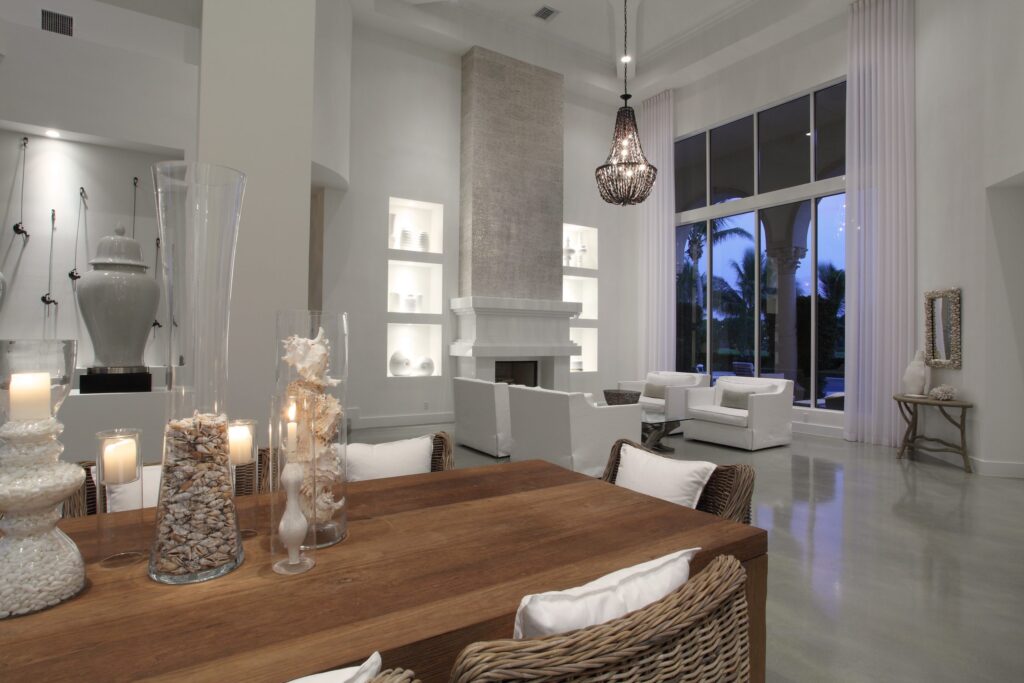
- Set Clear Intentions: Begin by defining your purpose. Ask yourself questions like, “What do I want my space to feel like?” and “How can I design an environment that enriches my life?” Having a vision allows you to evaluate possessions more critically and empowers you to let go of items that detract from your happiness.
- Start Small: Tackling an entire home in one weekend is typically unrealistic. Instead, begin with a single drawer, closet, or room. Breaking tasks into smaller segments makes the process manageable and allows for a sense of accomplishment as each area is completed.
- Use the One-Year Rule: If you haven’t used an item in over a year, consider letting it go. This guideline is particularly effective for clothing and gadgets that often take valuable space. By applying this rule, you can significantly reduce clutter and make room for what matters.
- Evaluate Sentimental Items: Sentimental belongings can be the hardest to navigate. Instead of keeping everything, focus on preserving a few key items that hold the strongest emotional connection. Photographing items before letting them go can help retain the memories without needing the physical object.
- Establish a Donation Protocol: Decide where your unwanted items will go. Many local charities and non-profit organizations are in need of gently used items. Understand that your unwanted items may be another person’s treasure, helping to reduce your home’s clutter while contributing positively to your community.
Research has shown that creating an organized space has psychological benefits. A study from the Princeton University Neuroscience Institute revealed that physical clutter can make it difficult to focus and process information. By using minimalism as a tool for transformation, you can enhance not only your home but also your cognitive capacity. As the clutter diminishes, you’ll likely notice improvements in your mood and productivity.
It’s essential to recognize that minimalism is not a one-size-fits-all solution; rather, it’s a personalized journey. Every step you take toward decluttering gives way to greater clarity and control over your environment. So, whether you’re drawn to minimalism for aesthetic reasons, mental clarity, or financial sustainability, remember that the journey starts with a single choice—one object at a time. The beauty of minimalism lies in discovering what truly resonates with you, allowing you to curate a space where you feel most at home.
The Benefits of Minimalism in Creating an Organized Space
Minimalism serves as a transformative approach to home organization, encouraging individuals to embrace simplicity for both their surroundings and their minds. By letting go of unnecessary possessions, one can significantly enhance the functionality and aesthetic appeal of their living spaces.
| Advantages | Impact on Living Spaces |
|---|---|
| Increased Clarity | Eliminating distractions allows for more focus and creativity in your daily activities. |
| Less Stress | A decluttered space leads to a relaxing environment and promotes mental wellness. |
| Enhanced Functionality | Organized spaces facilitate easier navigation and efficiency in daily routines. |
| Increased Space | More open area creates a sense of freedom and ease, allowing you to enjoy your home fully. |
Embracing minimalism can lead to not just a visually appealing home but also a significant shift in how you perceive and enjoy your environment. The notion of “less is more” becomes a guiding principle, attracting those who yearn to cultivate peace and tranquility in their living spaces. Through this process, individuals often discover a deeper connection with their belongings, appreciating quality over quantity. The ripple effect of minimalism transcends aesthetics, fostering a lifestyle centered on intentionality and mindfulness.
Creating an Organized Space: The Impact of Minimalism on Daily Life
As you embark on your minimalist journey, it’s essential to understand the transformative effects that an organized space can have on daily living. Minimalism is not merely about decluttering; it is also about reimagining how you interact with your environment. By fostering an organized atmosphere, you can pave the way for enhanced functionality and a greater sense of peace in your home.
- Enhancing Functionality: One of the key principles of minimalism is that every item in your home should have a purpose. By streamlining your belongings, you can create an environment where every piece is both functional and meaningful. For instance, in a minimalistic kitchen, having only essential utensils and appliances ensures that you can easily find what you need while cooking, reducing time spent rummaging and elevating your culinary experience.
- Mindful Consumption: Embracing minimalism encourages a more thoughtful approach to purchasing new items. As you declutter, you may become more attuned to what you truly need versus what you merely desire. This shift in mindset fosters responsible consumerism, reducing the ecological footprint of your household. Research by the Environmental Protection Agency indicates that the average American produces about 4.4 pounds of waste daily, and by adopting a minimalist approach, you can significantly lessen your contribution to this staggering figure.
- Improving Mental Clarity: Studies have shown a strong correlation between physical space and mental processes. According to a 2010 study published in the journal “Psychological Science,” individuals working in more organized environments experience less anxiety and greater focus. When your home is clutter-free, it creates a sense of calm, enabling you to concentrate on what matters most, whether that’s working on a project or enjoying leisure time with loved ones.
- Fostering Creativity: Minimalism can also unlock your creative potential. With fewer distractions in your surroundings, your mind has the freedom to explore ideas and solutions more effectively. For artists and creatives, adopting a minimalistic space allows for a clearer focus, where the absence of clutter leads to innovation and inspiration. You may find that a decluttered desk or empty wall sparks creativity, giving rise to new projects and endeavors.
- Encouraging Mindfulness: The practice of minimalism naturally intertwines with mindfulness, making it easier to cultivate awareness in your everyday life. By consciously curating your possessions, you also start to cultivate an appreciation for the present moment. Decorated in a restrained aesthetic, your home can serve as a sanctuary that reminds you to enjoy simple pleasures, like sipping a cup of tea and nurturing gratitude for what you own.
As your space transforms through the art of letting go, it becomes not just about reducing physical clutter but also embracing a mindset shift that prioritizes simplicity and intentionality. The ripple effects of minimalism extend into various aspects of life, from enhanced well-being to more profound connections with your environment. As you continue on this journey, remember that the process of minimalism is an ongoing evolution, encouraging you to seek joy in simplicity and purpose in everything that surrounds you.
Final Thoughts on Embracing Minimalism
In conclusion, the journey towards minimalism and the art of letting go is a profound exploration that transcends mere decluttering. It is about creating a harmonious environment that fundamentally alters how we perceive and interact with our homes and, ultimately, our lives. By implementing minimalistic principles, you can transform your home into a sanctuary of peace, where every item serves a purpose and enhances your quality of life.
As you adopt mindful consumption, you not only reduce waste but also foster a sense of appreciation for the things you choose to keep. With an organized space, you will be better equipped to face daily challenges, free from the distractions of clutter. Moreover, the psychological benefits, such as improved mental clarity and creativity, are compelling reasons to embrace this lifestyle change.
While the path to minimalism is unique for everyone, it is vital to remember that it is an evolving process. Each step you take towards letting go allows for personal growth and a clearer understanding of what truly matters. As you cultivate a minimalist space, consider how it can extend beyond the physical to influence emotional and mental well-being.
As you reflect on your own possessions and environment, ask yourself: what brings you joy? What enhances your life? The answers to these questions can guide you in not only creating a beautifully organized space but also in embarking on a journey towards a more intentional and fulfilling life. Embrace the art of letting go, and discover how minimalism can lead to profound transformation.
Related posts:
Essential Tools for Home Organization: Streamlining Your Space with Minimalist Principles
How to Create a Minimalist Workspace at Home
Creative Storage Solutions for a Minimalist Lifestyle
Transforming Small Spaces with Principles of Minimalism and Organization
The Art of Decluttering: Transform Your Home into a Minimalist Sanctuary
Digital Minimalism: Organizing Your Virtual Space for a Clutter-Free Life

Linda Carter is a writer and organization expert specializing in minimalism and personal organization. With extensive experience helping individuals create clutter-free, functional spaces and adopt mindful habits, Linda shares her knowledge on our platform. Her goal is to empower readers with practical advice and strategies to simplify their lives, stay organized, and achieve a sense of calm and balance in their daily routines.