The Art of Decluttering: Transform Your Home into a Minimalist Sanctuary
Discovering the Art of Minimalism
In today’s fast-paced society, where consumerism often dictates how we live, the practice of minimalism stands out as a refreshing alternative. Decluttering isn’t just about throwing away items; it represents a profound shift towards clarity, both in our living spaces and our minds. By embracing minimalism, individuals can experience a refreshing sense of peace, allowing their environments to foster emotional stability and creativity.
The journey to creating a minimalist sanctuary begins with understanding essential practices that can dramatically transform your life:
- Identify your priorities: Start by assessing your core values. What belongings truly enhance your life? For instance, an artist might prioritize their art supplies over unused kitchen gadgets, while a book lover may focus on a curated collection of novels. The key is to retain items that genuinely resonate with your identity and passions.
- Embrace intentionality: Mindfulness plays a crucial role in minimalism. Consider implementing a “one-in, one-out” policy, where for every new item you bring into your home, you remove another. This practice encourages thoughtful purchases and reduces clutter.
- Establish a cleaning routine: Maintaining a minimalist home doesn’t end once you’ve decluttered. Regularly scheduled clean-up sessions can help you keep your space organized. You might set aside time each week to sort through mail or miscellaneous items, ensuring clutter doesn’t accumulate.
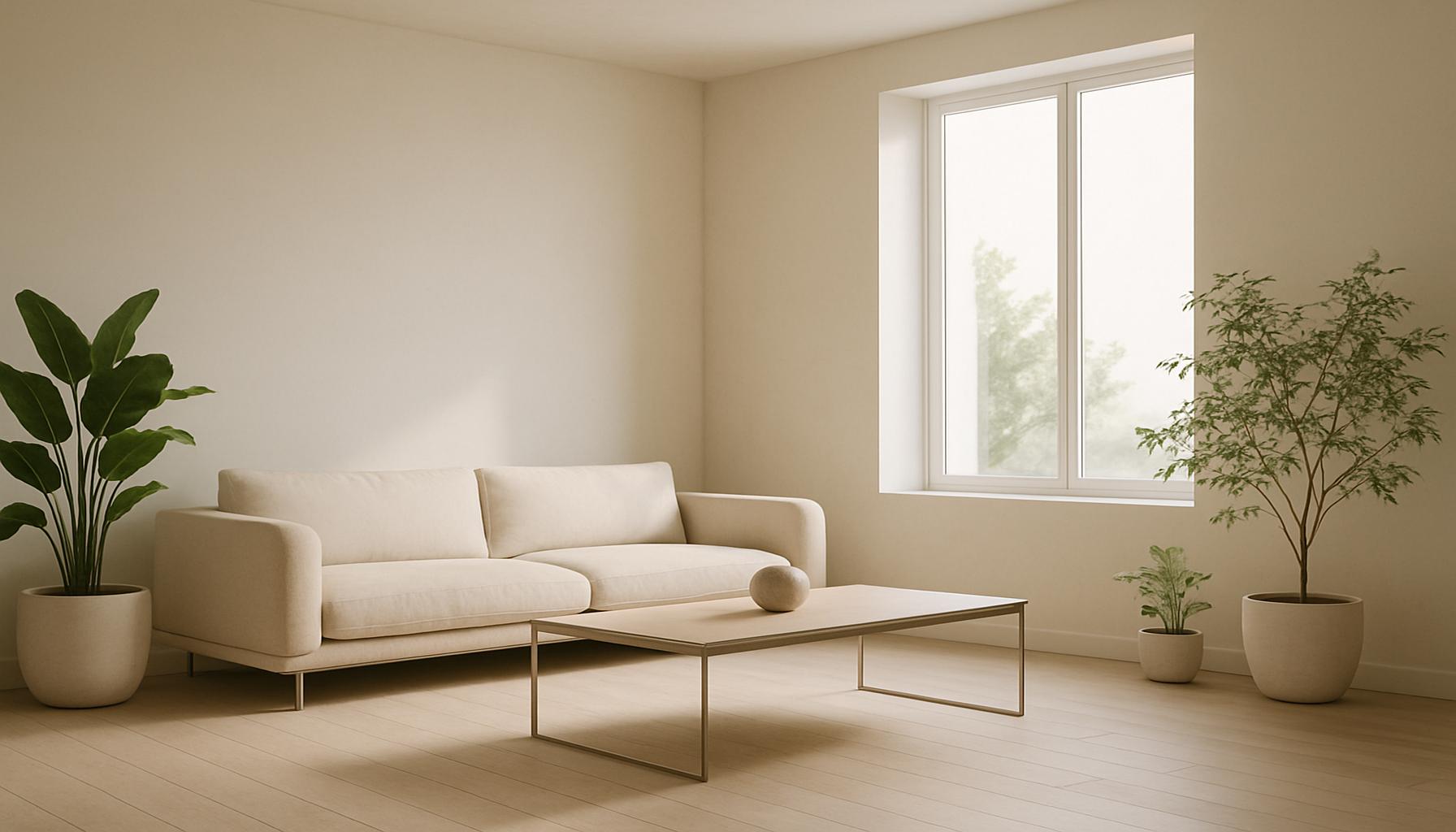
Picturing a serene environment may be more achievable than you think. A minimalist home often boasts open spaces, neutral colors, and a few carefully selected decorations. This not only creates an aesthetically pleasing appearance but also fosters a calming atmosphere conducive to relaxation and productivity.
Consider the extensive benefits of adopting a minimalist lifestyle:
- Reduced stress: Studies show that cluttered spaces can heighten anxiety and distract from important tasks. A tidy environment contributes to clearer thinking and improved focus, creating a sanctuary that encourages mindfulness.
- Enhanced creativity: By removing distractions from your workspace, you’re more likely to cultivate innovative ideas and solutions. For instance, many writers find that a clean desk enables them to concentrate fully, leading to increased creativity.
- Improved sustainability: A minimalist approach often aligns with eco-conscious living. Less clutter translates to reduced consumption and waste, as you consciously choose quality over quantity, investing in sustainable products instead of disposable items.
This guide aims to illuminate the principles of decluttering, encouraging you to embark on a path toward a minimalist haven. By implementing a few simple strategies, you can witness profound changes in your lifestyle. As you explore the world of minimalism, remember that each small step contributes to a larger journey of embracing simplicity and clarity.

Practical Steps to Begin Your Decluttering Journey
Embarking on the journey to transform your living space into a minimalist sanctuary requires a thoughtful approach that goes beyond mere tidying up. The essence of decluttering lies in the meticulous decision-making process about what to keep, what to donate, and what to discard entirely. Let’s delve deeper into practical methods that can ease the transition into a clutter-free lifestyle.
Begin with a Vision
One of the most effective ways to kickstart your decluttering journey is by envisioning the type of space you desire. Take a moment to explore what a minimalist sanctuary looks like to you personally. Are you dreaming of bright, open spaces filled with natural light, or do you prefer a cozy environment with personal touches? Creating a vision board can be a helpful step, as it allows you to visualize your goals and keep you motivated along the way.
Room-by-Room Strategy
Instead of overwhelming yourself by trying to declutter your entire home at once, adopt a room-by-room approach. This strategy makes the process more manageable and helps you notice the immediate effects of your efforts. Here’s a suggested order to follow:
- Start with the easy areas: Begin with spaces that require less emotional attachment, such as the bathroom or laundry room. These rooms often contain items that can be easily disposed of or relocated.
- Move to common areas: Focus on living rooms and kitchens next, where family and friends gather. Clearing these spaces can significantly enhance your daily living experience.
- Tackle personal spaces last: Reserve bedrooms and home offices for last, as they tend to hold more sentimental items. Approach these areas with care, prioritizing what is essential for your daily needs and well-being.
Utilize the Four-Box Method
To streamline your decluttering process, consider adopting the Four-Box Method. Label four boxes as follows:
- Keep: Items you use regularly or have significant emotional value.
- Donate: Items in good condition that you no longer use, but could benefit someone else.
- Recycle: Dated products or items that can no longer serve their purpose and can be reprocessed.
- Trash: Broken, damaged, or unusable items that need to be discarded.
This method simplifies the decision-making process by encouraging you to think critically about each item. As you sort through your belongings, remember that there is no rush. The goal is to create a space that resonates with your values and promotes tranquility.
Practice Gratitude in Letting Go
Finally, as you let go of items that have served you well but no longer fit your lifestyle, practice gratitude. Thank each item for its role in your journey, and acknowledge the memories attached to it. This practice can alleviate the emotional burden of decluttering, making it a fulfilling experience rather than a daunting task.
By implementing these practical steps, you will not only create a cleaner space but also foster a more meaningful and intentional way of living. With each item you release, you pave the way for a minimalist sanctuary that reflects your desires, nurtures your well-being, and inspires creativity.
| Category | Description |
|---|---|
| Clarity & Focus | A decluttered space enables the mind to focus on what truly matters, reducing distractions. |
| Reduced Anxiety | Embracing a minimalist approach offers peace, promoting a sense of well-being and tranquility. |
| Enhanced Productivity | A tidy environment facilitates higher levels of efficiency and motivation, allowing tasks to be completed more swiftly. |
| Sustainable Living | Adopting minimalism encourages recycling and thoughtful consumption of resources. |
As you delve deeper into the art of decluttering, it’s essential to recognize how each step contributes to a transformed lifestyle. Not only does minimalism promote the physical organization of your surroundings, but it also cultivates an internal landscape ripe for creativity and growth. Through reduced clutter, many discover newfound clarity that translates into various aspects of life—be it personal relationships or professional endeavors. Furthermore, embracing a minimalist sanctuary not only enhances your living quality but also creates a ripple effect, inspiring others to initiate similar changes in their lives.
Mindset Shifts for Lasting Change
In embarking on your decluttering journey, it’s essential to recognize that it is not solely a physical endeavor, but also a mental transformation. Embracing a minimalist mindset will ensure that the changes you implement today stick with you for the long term. By focusing on a new perspective surrounding material possessions, you can cultivate a home environment that promotes peace and simplicity.
Shift Your Perspective on Ownership
The first significant mindset shift involves how you view your belongings. In a culture often obsessed with consumerism, it’s easy to equate possessions with success or happiness. However, by reassessing the value you place on physical items, you can begin to liberate yourself from the perpetual cycle of acquisition. Ask yourself, “Do I own this item, or does it own me?” This simple question can help you discern the true cost of keeping that item in your life, considering both the space it occupies and the mental energy it demands.
Implement the 90/90 Rule
To further encourage a minimalist approach, consider applying the 90/90 Rule popularized by Marie Kondo, author of “The Life-Changing Magic of Tidying Up.” This rule states that you should evaluate any item in your home that you haven’t used in the past 90 days and will not use in the next 90 days. If it meets these criteria, it’s time to let it go. This method helps eliminate the emotional attachment often felt towards items that were once useful but no longer fit your current lifestyle.
Set Goals for Mindful Consumption
While decluttering is about removing items from your space, it’s equally important to focus on what you bring into your home moving forward. Setting clear goals for mindful consumption will help you make informed decisions when faced with new purchases. For instance, adopt the principle of “one in, one out,” where any new item you wish to acquire should necessitate discarding a similar item. This strategy maintains balance in your environment and prompts careful consideration of your needs versus wants.
Create a Maintenance Plan
After your initial decluttering adventure, it’s crucial to devise a maintenance plan to uphold the minimalist integrity you’ve created. Schedule regular decluttering check-ins, perhaps every few months, where you review the items in each room. Having a dedicated time ensures you stay mindful about the clutter that can accumulate over time and allows you to address any areas that require attention.
Cultivating a Community of Minimalism
Lastly, surrounding yourself with like-minded individuals can greatly enhance your decluttering journey. Engaging with a community interested in minimalism can provide support, encouragement, and insights. Look for local groups, social media communities, or even online forums where members share their decluttering experiences, tips, and before-and-after photos. Not only does this collective reinforcement make the process less isolating, but it also sparks motivation and inspires continued learning.
By adopting these mindset shifts, you are not just decluttering your physical environment; you are ultimately transforming your relationship with belongings and spaces, allowing you to thrive in a setting that reflects your true self and brings you peace. The journey to a minimalist sanctuary is a path filled with discovery, reflection, and the joy of living within your means while embracing simplicity.
Embracing the Minimalist Sanctuary
As we conclude our exploration of the art of decluttering, it becomes clear that the journey toward a minimalist sanctuary is as much about mindset as it is about the physical act of removing clutter. By transforming your perspective on ownership and adopting practical strategies like the 90/90 Rule, you can reclaim valuable space and mental clarity in your home. These intentional changes offer not only immediate benefits but also establish a sustainable way of living that resonates with simplicity and mindfulness.
The concept of mindful consumption plays a pivotal role in your minimalist journey. With practices like “one in, one out,” you build a framework that helps you remain intentional about the items you invite into your sanctuary. This mindful approach fosters a sense of ownership that encourages not just a clearer space but a clearer state of mind.
Moreover, enacting a maintenance plan ensures that the ambiance of tranquility you’ve cultivated is protected from future clutter. Regular check-ins with your belongings instill a habit of awareness, allowing your home to evolve alongside your lifestyle. Meanwhile, connecting with a community of fellow minimalists provides the support and encouragement necessary to sustain your commitment.
Ultimately, transforming your home into a minimalist sanctuary is a profound act of self-care. It’s a celebration of simplicity where each item has purpose and meaning. By embracing this transformative journey, you align your surroundings with your values, inviting peace and joy into your daily life. As you navigate this path, remember that each step you take is a step toward not just a decluttered space, but a fulfilling life grounded in serenity and clarity.
Related posts:
Multifunctional Furniture: Maximizing Space and Organization in a Minimalist Home
Transforming Small Spaces with Principles of Minimalism and Organization
Organization of Closets: Tips for a Minimalist and Functional Wardrobe
Digital Organization: Maintaining Minimalism in the Information Age
How to Create a Minimalist Workspace at Home
Essential Tools for Home Organization: Streamlining Your Space with Minimalist Principles

Linda Carter is a writer and organization expert specializing in minimalism and personal organization. With extensive experience helping individuals create clutter-free, functional spaces and adopt mindful habits, Linda shares her knowledge on our platform. Her goal is to empower readers with practical advice and strategies to simplify their lives, stay organized, and achieve a sense of calm and balance in their daily routines.