Personal Organization Strategies to Simplify Your Daily Routine
Embracing Minimalism for a Streamlined Life
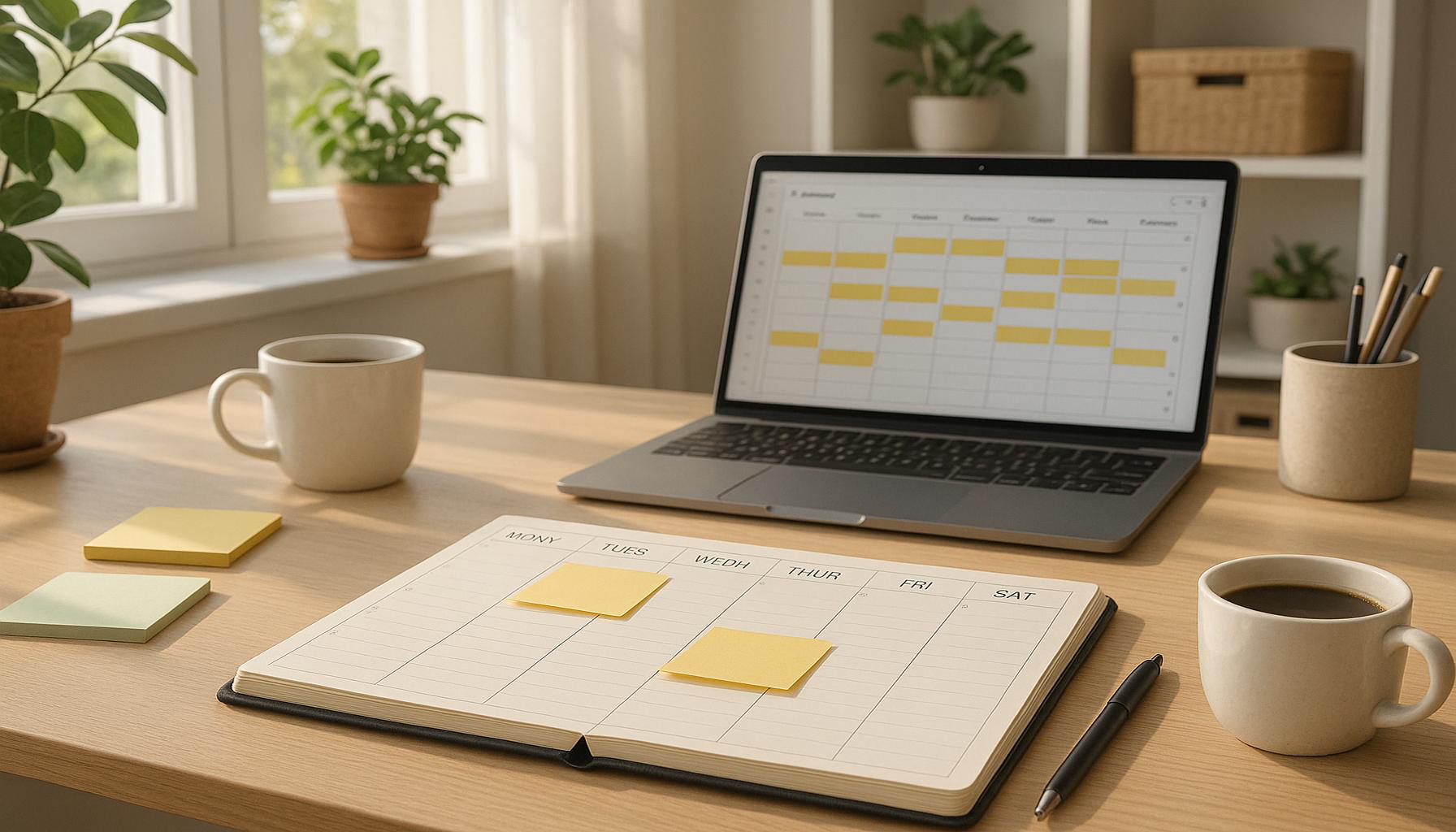
In today’s fast-paced world, juggling countless responsibilities can lead to overwhelming routines. The concept of minimalism extends beyond physical decluttering; it invites individuals to cultivate a mindset that prioritizes simplicity, efficiency, and serenity. By integrating personal organization strategies, one can significantly enhance everyday life, reduce stress, and create space for what truly matters.
Understanding the principles of effective organization not only facilitates better time management but also fosters mental clarity. Some key benefits include:
- Improved focus: A decluttered environment encourages better concentration.
- Increased productivity: Streamlined tasks lead to faster completion times.
- Enhanced well-being: A simplified life reduces anxiety and fosters peace of mind.
This article will present the Top 5 strategies for personal organization, aimed at simplifying your daily routine and aligning your life with minimalist values. Prepare to discover practical tips that will empower you to take control of your day-to-day activities and embrace a more intentional lifestyle.
Top 5 Strategies for Personal Organization to Simplify Daily Routines
In today’s increasingly fast-paced world, personal organization has evolved from a mere convenience to an essential part of maintaining mental clarity and productivity. Everywhere we look, distractions abound, threatening to derail our focus. However, with the right strategies, it’s possible to cut through the chaos and create a life that is both productive and fulfilling. Minimalism, characterized by its call to prioritize what truly matters, provides an effective framework for simplifying daily routines. In this article, we’ll delve into five crucial strategies that have proven to be fundamental in streamlining everyday life and enhancing organizational skills, helping you reclaim control over your time and decisions.
5. Embrace Digital Tools
In the age of technology, digital tools have rapidly transformed how we manage our lives. These tools provide a cohesive and accessible means of organizing myriad aspects of daily living, from managing tasks to scheduling appointments. By leveraging apps like Todoist, Trello, and Google Calendar, you can consolidate your responsibilities, thereby reducing physical clutter and mental load while increasing efficiency.

For instance, Todoist offers more than just a place to jot down tasks; it allows you to prioritize efforts, categorize projects using labels and filters, and even track progress over time. This is invaluable when balancing complex projects or extensive lists. Similarly, Trello utilizes boards and cards to visually manage projects. This is especially useful for those who are visually oriented or who manage multifaceted projects, as it enables you to visualize the entire process from start to finish, reflecting on completed work and adjusting strategies accordingly.
Meanwhile, Google Calendar stands as a staple tool for coordinating schedules. It not only lets you create events and reminders but also integrates with multiple devices and can be shared with others, making it easy to coordinate group events or family schedules. With features like notifications and the ability to attach documents directly to events, it ensures nothing slips through the cracks.
By integrating these digital tools into your daily routine, you pave the way for a more organized, predictable life. This streamlining greatly reduces the risk of overlooking tasks, appointments, or key deadlines, allowing you to shift your focus to more meaningful pursuits.
4. Set Clear Goals
Setting clear goals is a cornerstone of effective personal organization. Without clearly defined objectives, it’s easy to become overwhelmed by the sheer volume of tasks and lose sight of what truly matters. Establishing both short- and long-term goals provides direction and motivation, acting as a road map for your personal and professional journey.
Utilizing the SMART criteria—Specific, Measurable, Achievable, Relevant, and Time-bound—ensures that your goals are not only visionary but attainable. For example, a goal to “read more” can be transformed into a SMART goal by specifying “read one book per month,” which is measurable and time-bound. Similarly, if your aim is to improve your professional skills, identifying a specific course to complete within a certain timeframe makes the goal both realistic and actionable.
Breaking down substantial goals into smaller, manageable tasks provides further clarity. Consider a goal like decluttering your home. Tackling it all at once might be daunting, but approaching it by focusing on one room at a time or setting a daily task, such as organizing a specific drawer, makes the process more manageable. This strategic breakdown not only fosters progress but also builds momentum, which is crucial for maintaining focus and motivation.
3. Implement a Daily Routine
Establishing a daily routine is fundamental for personal organization. Consistency in our daily activities fosters productive habits and reduces distractions. A well-structured routine establishes predictability, allowing us to concentrate energy on tasks rather than decisions.
Begin by defining essential daily activities that align with your lifestyle and goals. This involves setting aside time for both work and personal needs, ensuring both productivity and rest are prioritized. Your routine should encompass:
- Morning rituals: Starting the day with activities that promote positivity—such as meditation, journaling, or a brief workout—can establish a productive mindset.
- Work hours: Clearly delineating when work begins and ends helps maintain focus and prevents burnout. Establish regular breaks to sustain productivity.
- Evening wind down: Create space to unwind and reflect. Reviewing the day’s accomplishments can boost motivation for the following day.
By adhering to a structured routine, you create a foundation for enhanced productivity, ensuring that essential tasks are handled effectively, while still allowing flexibility for life’s spontaneous moments.
2. Declutter Regularly
Decluttering is a transformative practice that extends beyond mere physical spaces; it contributes significantly to mental organization as well. Regularly clearing out unnecessary items can foster improved clarity and focus, replacing chaos with a sense of calm and creativity.
Start by identifying areas in your life or workspace that feel overwhelmed or chaotic. Tackling these spaces systematically can be liberating. A clutter-free environment has been shown to boost creativity and reduce stress; for many, less visual clutter equates to less mental clutter.
Here are strategic approaches to decluttering:
- Necessity-based: Retain only items essential for daily use or those that bring joy and utility.
- One in, one out: For every new item you introduce, remove one. This helps maintain equilibrium and prevents accumulation.
- Scheduled decluttering: Designate a regular time, such as monthly, to reassess and tidy your environment. This consistent effort prevents messes from becoming overwhelming.
Engaging in routine decluttering fosters an organized mindset, leading to heightened mindfulness and a more intentional approach to daily living.
1. Practice Minimalism
Perhaps the most effective strategy for personal organization is wholeheartedly embracing minimalism. At its core, minimalism involves consciously distinguishing what deserves your focus and energies and eliminating distractions. By prioritizing quality over quantity, minimalism encourages an enriched experience filled with meaningful pursuits.
A few core principles of minimalism to consider include:
- Mindful consumption: Before making purchases, consider whether the item aligns with your values and lifestyle. Ask yourself: Does it provide genuine utility, or could it be a fleeting purchase?
- Prioritize experiences over possessions: Invest time and resources in creating cherished memories and gaining knowledge, rather than accumulating more possessions which may contribute little to personal growth.
- Edit your life: Regularly assess and refine your commitments, relationships, and possessions. This ensures that your environment and schedule align with your core values.
By practicing these principles, you commit to a life of intentional living, where each decision contributes to a simplified, organized, and fulfilling existence. In an age often characterized by excess and pressure, choosing minimalism can be a liberating step towards personal empowerment.
By embracing these five strategies—each anchored in principles of clarity, intention, and mindfulness—you can revolutionize your approach to personal organization. As you simplify your routines and refine your focus, you’ll find yourself more equipped to navigate the daily bustle with confidence, paving the way for a more meaningful and less stressful life.
| Time Management Techniques | Key features | Advantages | Disadvantages | Who would benefit |
|---|---|---|---|---|
| Pomodoro Technique | Work in 25-minute intervals followed by short breaks. | Enhances focus and productivity. | May disrupt tasks that require longer periods of concentration. | Students and professionals seeking to improve efficiency. |
| Time Blocking | Allocate specific blocks of time for specific tasks. | Promotes structure in daily schedules. | Requires strict adherence and can be rigid. | People with multiple responsibilities who need clear organization. |
| The Eisenhower Matrix | Prioritize tasks based on urgency and importance. | Helps in focusing on what truly matters. | Can be overwhelming if used without clear understanding. | Managers or individuals facing daily distractions. |
| Digital Organizers and Apps | Utilize technology to set reminders and keep track of tasks. | Accessibility and ease of use; often customizable. | Dependence on devices may lead to distractions. | Tech-savvy individuals or those who prefer modern solutions. |
Another critical aspect influencing daily routine organization is establishing a dedicated workspace. Creating a designated area, whether at home or in an office, can lead to improved concentration. A conducive environment minimizes distractions and enhances productivity, providing a clear physical and mental separation between work and leisure activities.Additionally, the significance of goal-setting cannot be overstated. Defining both long-term aspirations and short-term objectives creates a roadmap for focused efforts. Breaking down goals into manageable steps can prevent overwhelming feelings and create a sense of accomplishment, boosting motivation and engagement. It’s essential to keep these goals flexible to adapt to changing circumstances.Utilizing a checklist is another straightforward yet effective strategy. Writing down tasks not only serves as a reminder but also prompts a sense of accountability.
The act of crossing off completed items can instill a feeling of achievement, which encourages tackling more tasks.Moreover, practicing mindful routines becomes vital in simplifying daily tasks. Engaging in mindfulness techniques such as meditation or simply taking a few deep breaths can clarify thoughts, reduce stress, and promote better decision-making. These practices may enhance one’s ability to navigate through a busy day with greater clarity and purpose, leading to more effective time management.Lastly, embracing decluttering can significantly impact the organization of one’s personal space. Regularly removing non-essential items from both physical and digital environments can streamline routines. A cleaner, more organized space leads to reduced stress and enables individuals to focus on what truly matters, thereby enhancing overall productivity. By incorporating these varied strategies into daily lives, individuals can simplify their routines, increase efficiency, and foster an overall sense of control.
Frequently Asked Questions on Personal Organization Strategies for Simplifying Daily Routines
What are the most effective strategies for managing my daily tasks efficiently?
Effective personal organization strategies can vary, but some of the most popular include the Eisenhower Box, the Pomodoro Technique, and time blocking. The Eisenhower Box helps you prioritize tasks based on urgency and importance. The Pomodoro Technique involves working in intervals, often 25 minutes of focused activity followed by a short break, which can boost productivity. Time blocking involves dedicating set periods to specific tasks or activities. It’s crucial to find a method that suits your personal rhythm to ensure optimal efficiency.
How can I minimize distractions while working or studying at home?
Minimizing distractions starts with creating a dedicated workspace that is free from clutter and equipped with everything you need. Use apps and tools that block distracting websites and notifications during work hours. Another effective strategy is the “Two-Minute Rule”: if a task takes less than two minutes, do it immediately to prevent small interruptions from piling up. Setting clear boundaries with family members or roommates about your work hours can also significantly reduce distractions.
What role does technology play in personal organization, and what tools are recommended?
Technology plays a pivotal role in helping individuals streamline their daily routines and increase productivity. Tools such as Trello for task management, Evernote for note-taking, and Google Calendar for scheduling can be invaluable. Using digital assistants to set reminders and alarms helps in not only keeping track of tasks but also ensuring they’re completed on time. However, it’s important to use technology as a complement to, not a replacement for, effective organizational habits.
Why is it important to have a morning routine, and how can it be implemented effectively?
A morning routine sets the tone for the rest of the day, ensuring you start with energy and clear goals. To implement one effectively, begin by waking up at the same time daily to regulate your body’s internal clock. Incorporate activities such as exercise, mindfulness practices like meditation, and a healthy breakfast to enhance focus and mood. Reviewing your plans for the day can also help prioritize your tasks right from the start.
How can personal organization help in reducing stress and improving mental well-being?
Personal organization helps in reducing stress by providing a clear roadmap of tasks, which eliminates the uncertainty and overwhelm that can accompany disorganization. A structured approach allows you to break down tasks into manageable parts, making it easier to tackle them. By regularly achieving set goals, you can experience a heightened sense of accomplishment, which positively impacts mental well-being. Moreover, proper organization provides more time for relaxation and self-care, critical components for reducing stress levels.
Conclusion: Streamlining Daily Routines Through Personal Organization
In the quest for a more efficient and stress-free life, adopting effective personal organization strategies is paramount. Throughout this article, we explored various techniques that align with the principles of Minimalism and offer practical solutions to simplify our daily routines.
Firstly, prioritizing tasks effectively allows individuals to focus on what truly matters, boosting productivity and minimizing the clutter in our schedules. Secondly, establishing morning routines sets a positive tone for the day, ensuring a calm and controlled start. Furthermore, the art of delegation and learning to say no are crucial skills that help manage workload and reduce overwhelming responsibilities.
Decluttering both our physical and digital spaces plays a vital role in personal organization, clearing away distractions and promoting a more serene environment. Utilizing technology, such as digital calendars and task management apps, serves as an ally in maintaining order and tracking progress.
Ultimately, embracing these methods leads to a more intentional lifestyle, where one’s time is allocated to activities that resonate with personal values and goals. This approach not only enhances productivity but also contributes to mental well-being, as a streamlined routine reduces stress and fosters a sense of accomplishment.
The importance of personal organization and minimalism is ever-growing in a world inundated with information and tasks. By implementing these strategies, individuals can uncover a newfound clarity and purpose, enabling them to navigate daily life with greater ease. As we continue to seek balance in our personal and professional lives, refining our organizational skills will remain a crucial element in achieving harmony and success.
Related posts:
How simplicity in daily routines can increase productivity
Digital Detox Rituals: Incorporating Minimalism into Daily Interactions
How to Simplify Your Daily Routine with Minimalist Principles
The Importance of Morning Rituals in Minimalist Personal Organization
Transforming the Nighttime Routine: Minimalist Practices for Restorative Sleep
Eliminating Waste: Tips for Creating a Minimalist Personal Care Routine

Linda Carter is a writer and organization expert specializing in minimalism and personal organization. With extensive experience helping individuals create clutter-free, functional spaces and adopt mindful habits, Linda shares her knowledge on our platform. Her goal is to empower readers with practical advice and strategies to simplify their lives, stay organized, and achieve a sense of calm and balance in their daily routines.