Minimalist Spaces: Creating an Environment that Facilitates Time Management
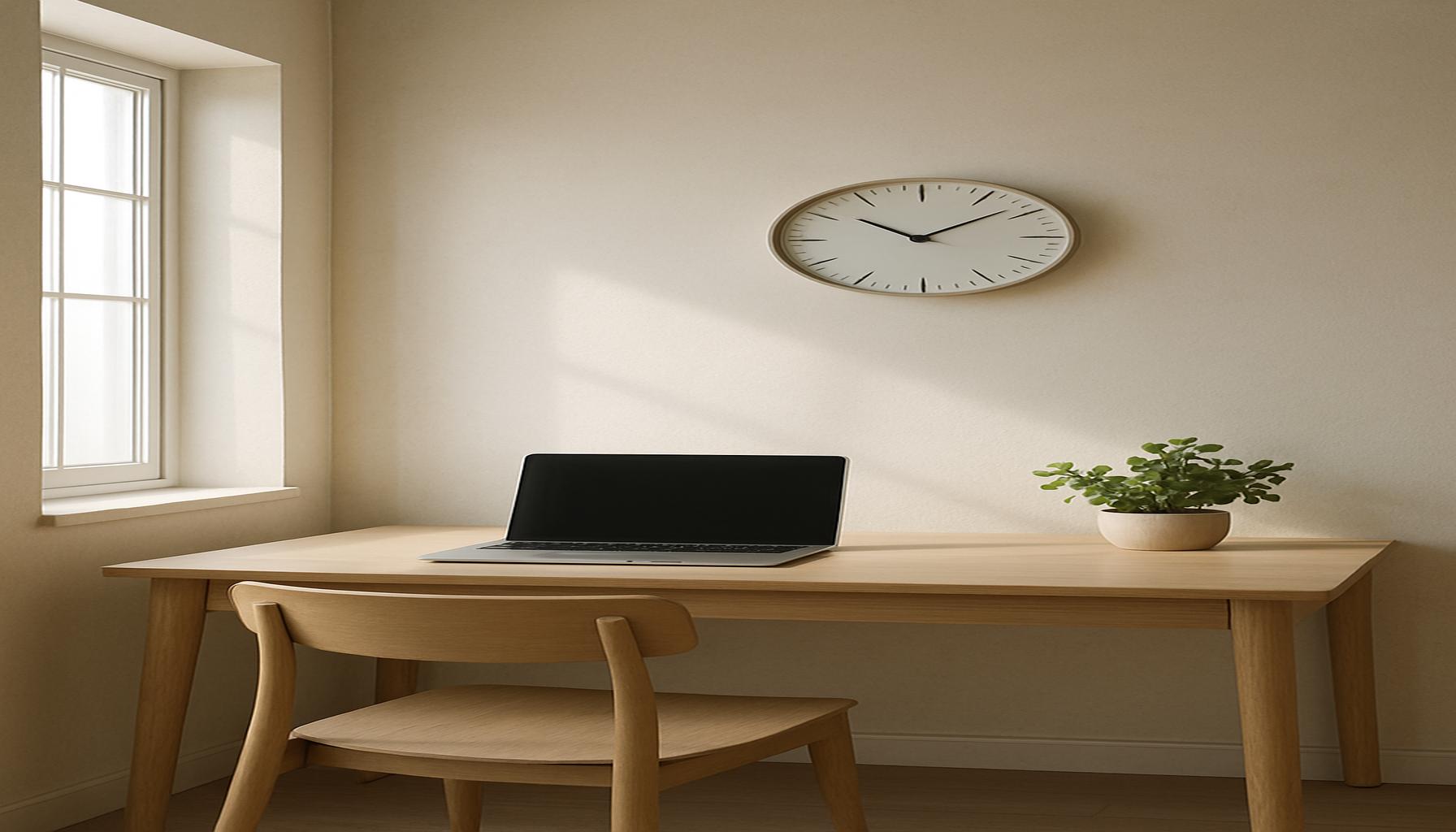
The Essence of Minimalism
In a world characterized by overflowing schedules and constant notifications, investing time into simplifying our environments has become crucial. The principles of minimalism are not solely aesthetic; they encompass a profound philosophy that promotes a simpler and more deliberate lifestyle. By embracing a minimalist approach, individuals can create spaces that not only look appealing but also foster improved focus and efficiency.
Key Features of Minimalist Spaces
To truly grasp the impact of minimalist design, it is essential to dissect its key features:
- Simplicity: The hallmark of minimalist spaces is their clean lines and uncluttered look. This design ethos encourages fewer items but emphasizes quality over quantity. For instance, a minimalist home office might feature a single desk, a comfortable chair, and perhaps a plant or two—anything that does not serve a clear purpose is eliminated.
- Neutral Color Palettes: Colors play a pivotal role in visual perception. Minimalist spaces often utilize muted tones like whites, grays, and earth hues that eliminate visual distractions. This serene backdrop fosters a peaceful environment conducive to deep focus. An example can be seen in spaces designed by renowned minimalist architects, such as Tadao Ando, whose work often radiates tranquility.
- Functional Furniture: In minimalist design, furniture is not just about aesthetics; it is designed for practicality. Pieces like a storage ottoman or a wall-mounted desk illustrate how form and function coexist. Each item is thoughtfully chosen to satisfy a definite need and contribute to the overall efficiency of the space.
The Psychological Benefits
The benefits of maintaining a minimalist environment extend beyond mere appearance. Research suggests that a clutter-free environment can enhance cognitive function by reducing stress and promoting clarity. A study published in the journal of Environmental Psychology indicated that participants in organized, minimalist rooms reported lower levels of stress and higher creativity, suggesting that an orderly space stimulates the mind.
Consider the typical American home office, often cluttered with stacks of paperwork, outdated technology, and personal memorabilia. By implementing minimalist principles, individuals can transform this chaotic workspace into a haven for productivity. Visualize entering a room where each item serves a purpose, such as a sleek desk with a monitor raised to eye level and essential files neatly organized in a drawer instead of piled on the desk. In such an environment, distractions diminish, allowing for a greater capacity to concentrate and accomplish tasks efficiently.
Creating Your Minimalist Haven
Creating a minimalist space involves more than just decluttering; it requires a shift in mindset. Start by evaluating your environment and identifying items that no longer serve a clear purpose or bring value to your life. Adopt a “less is more” attitude and prioritize items that enhance your daily tasks. In doing so, you’ll not only cultivate a visually appealing space but also establish an atmosphere that encourages effective time management and productivity.
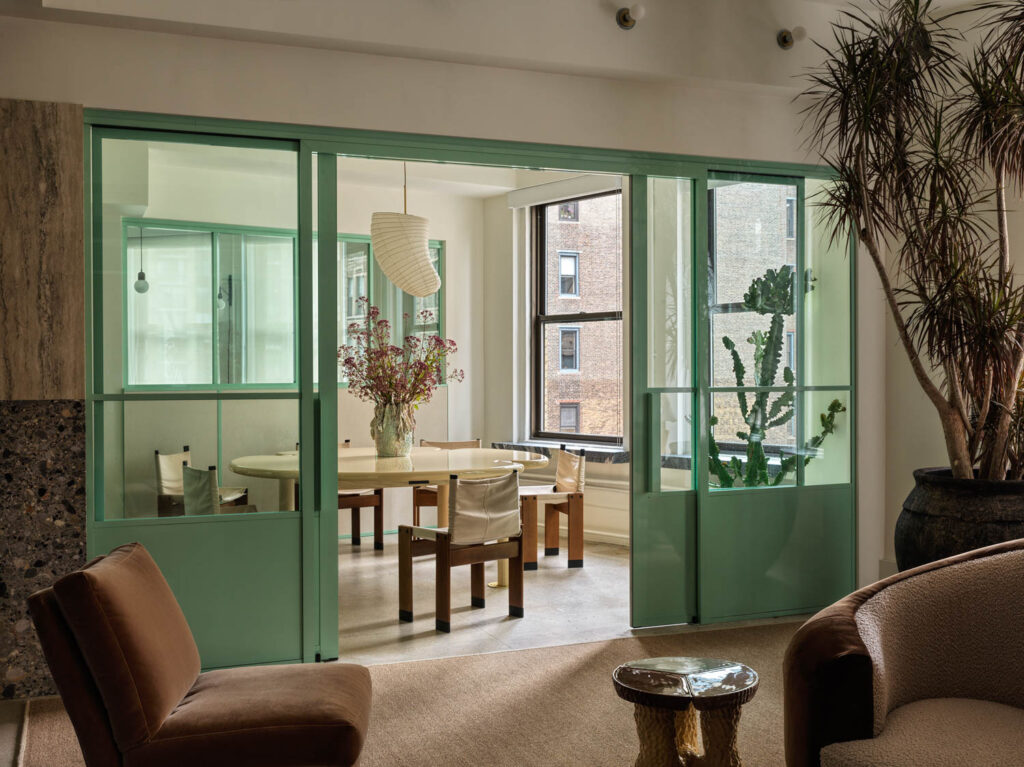
As you embark on this journey towards minimalism, remember that each step taken towards simplifying your environment can lead to profound improvements in both focus and well-being. Let your surroundings reflect the calmness and efficiency you aspire to achieve, allowing minimalism to redefine your interaction with your environment.
Transforming Your Space: Steps Towards Minimalism
Embarking on the journey to create a minimalist environment requires intentional action and a clear strategy. The goal is to cultivate a space that not only reflects your personal style but also enhances your ability to manage time effectively. By systematically decluttering and re-evaluating your belongings, you can create a sanctuary that encourages productivity rather than distraction.
Assess Your Current State
To begin, conduct a thorough assessment of your current space. This involves understanding not just what items occupy your room but also how they impact your daily life. Consider these key questions:
- What do I use regularly? Identify the items necessary for your daily tasks and commitment, such as essential tools for your work or items that inspire you.
- What adds to my stress? Take note of objects that create visual chaos or reminders of unfinished projects. These can often be sources of anxiety, hindering your time management.
- What brings me joy? Embrace the minimalist philosophy by keeping only those possessions that elicit positive emotions or contribute meaningfully to your life.
With these inquiries in mind, begin the process of decluttering. It is advisable to tackle one area at a time to avoid overwhelm. For instance, start with your desk; remove all items and gradually reintroduce essential tools. A notepad, a pen, and perhaps a small plant should suffice, allowing for both functionality and aesthetic appeal.
Incorporating Organization Systems
Once the clutter is minimized, the next step is to implement organizational systems that complement your minimalist space. Efficiency often hinges on having dedicated homes for important items. Shelf organizers, drawer dividers, and cable management solutions can play a significant role in maintaining an orderly environment. Each system should be straightforward, making it easy to find what you need when you need it.
One effective method is the one-in-one-out rule. For every new item you bring into your space—be it a book, office supply, or decorative piece—commit to removing an existing item. This not only prevents accumulation but encourages mindful purchasing habits that align with your minimalist ideals.
Establishing Zones for Focus
Creating distinct zones within your space can further sharpen your focus and time management. Designate areas for specific activities, such as a reading nook free from distractions or a dedicated workspace equipped solely with work materials. By establishing these boundaries, you signal to your mind the purpose of each area, helping you transition seamlessly between tasks.
Ultimately, minimalist design is about creating an environment that aligns with your goals. By investing time in organizing and refining your space, you pave the way for greater focus and productivity. With a visually appealing and functional minimalist haven, you set the stage for better time management, empowering you to achieve your aspirations with clarity and purpose.
In the pursuit of time management, the environment we create in our spaces plays a crucial role. Minimalist design is not just an aesthetic choice; it is a lifestyle alteration that can significantly enhance one’s productivity and focus. By stripping away distractions and clutter, individuals can find clarity and purpose, leading to enhanced efficiency in their daily tasks.
For instance, a well-organized minimalist workspace can influence your cognitive load and increase your mental clarity. Employing neutral colors and simple lines helps to create a seamless flow that minimizes chaos. Research indicates that spaces that are clutter-free can lead to increased focus, allowing individuals to dedicate more energy towards their tasks. Additionally, the containment of decor and essentials encourages mindfulness and intentionality in one’s work habits.
Another aspect of minimalist design in the context of time management is the cultivation of functional furniture. Multi-purpose furniture serves to consolidate space while offering practicality, which is essential in a time-sensitive environment. For example, a desk that incorporates storage can prevent the accumulation of unnecessary materials, further promoting a clean and organized atmosphere. Thus, each piece in your environment can have a deliberate purpose, reflecting your desire to utilize your time effectively.
To encapsulate, minimalist spaces offer a strategic framework for enhancing daily productivity and managing time more efficiently. As one adopts this aesthetic philosophy, they are sure to notice a significant improvement in their ability to navigate their schedules and meet deadlines.
| Key Category | Description |
|---|---|
| Clutter Reduction | Eliminates distractions that can hinder focus. |
| Enhanced Productivity | Promotes efficient work habits and better time management. |
Enhancing Focus and Productivity Through Design
Once you’ve decluttered and organized your minimalist space, the next crucial step is enhancing focus through thoughtful design. The way your environment is arranged can directly influence your ability to concentrate and efficiently manage your time. By implementing design principles that support both aesthetics and functionality, you create a sanctuary for productivity that promotes a calm and controlled workflow.
Embracing Natural Light
One of the most effective strategies for enhancing a minimalist workspace is maximizing natural light. Numerous studies emphasize the positive impact of natural light on mood and productivity. Exposure to sunlight not only boosts serotonin levels, which enhances feelings of happiness and wellbeing, but it also regulates your circadian rhythms, improving energy levels throughout the day.
To maximize natural light, consider positioning your desk near windows or using sheer curtains to allow light to filter into the space gently. Additionally, using mirrors strategically can help reflect light and make your space feel larger and more open. A bright, airy environment can significantly reduce mental fatigue, allowing you to manage your time with greater efficiency.
Color Psychology in Minimalist Spaces
The colors you choose to surround yourself with can profoundly affect your mood and productivity. Color psychology suggests that specific colors can elicit certain emotions and behaviors. Soft blues and greens promote calm and focus, while vibrant yellows and oranges can energize and inspire creativity.
In your minimalist workspace, consider using a neutral palette for larger furniture and walls to maintain simplicity while introducing accent colors through art or small accessories. This approach creates an inviting atmosphere without overwhelming the senses. A carefully chosen color scheme can help keep distractions to a minimum, fostering an environment where time management becomes second nature.
The Power of Multi-Functional Furniture
In a minimalist setting, furniture choice plays a pivotal role in maximizing space and utility. Opting for multi-functional furniture can significantly reduce clutter and enhance efficiency. For example, a desk that doubles as a filing cabinet or a bench that can be used for storage beneath can provide both functionality and organization.
Consider adjustable standing desks, which allow you to switch between sitting and standing to promote movement and prevent fatigue. This flexibility not only contributes to physical wellbeing but can also enhance your mental focus, making time management less of a task and more of a seamless part of your routine.
The Importance of Technology Management
In today’s digital age, clutter can also emerge from electronic devices and their accompanying accessories. Organizing technology is crucial for maintaining a minimalist space. Implement cable management solutions such as cable clips, sleeves, or even decorative boxes to keep cords under control and out of sight. This not only reduces visual clutter but also minimizes the distractions that arise from tangled cables and scattered devices.
Moreover, consider the role of digital clutter. Evaluating your digital workspace—such as your computer files and email inbox—and simplifying these can have a significant ripple effect on your time management. Regularly scheduled clean-up sessions to delete unnecessary files and unsubscribe from unimportant emails can help maintain a sense of order in your digital life, mirroring the tranquility of your physical environment.
By integrating these design elements into your minimalist space, you cultivate an environment that not only looks appealing but also actively supports your time management efforts. A well-designed space encourages mindfulness and presence, allowing you to optimize your daily tasks and pursuits.
Conclusion: The Transformative Power of Minimalism in Time Management
Creating a minimalist space is more than just an aesthetic choice; it is a transformative strategy that can significantly enhance your time management skills and productivity. By embracing concepts such as natural lighting, color psychology, and multi-functional furniture, you set the stage for an environment that fosters focus and reduces distractions. These thoughtful design principles are not merely decorative; they serve to create a sanctuary where your mental clarity and work efficiency can thrive.
As you reflect on the elements of your workspace, consider the importance of both physical and digital organization. A decluttered physical space paired with an orderly digital environment promotes a sense of control that is essential for optimizing your daily workflow. The act of simplifying your surroundings can lead to a greater sense of discipline and purpose, allowing you to allocate your time effectively towards what truly matters.
Moreover, the minimalist lifestyle is an ongoing journey of mindfulness and intentionality. As you continue to refine your space, remember that each choice conveys your values and priorities. Investigating further into how minimalism can apply to various aspects of life, from budgeting to scheduling, may open new doors to efficiency. In defining your minimalist space, you are not just crafting a workplace; you are sculpting your future—one that is organized, liberated from distractions, and primed for success.
Related posts:
Mindful Time Management: Integrating Minimalist Principles into Your Daily Planning
Less is More: The Impact of Minimalism on Stress Reduction and Time Management Improvement
Uncomplicating the Agenda: Minimalist Strategies for an Efficient Routine
Digital Minimalism: How to Disconnect to Maximize Your Time
Mindfulness and Minimalism: The Impact of Simplicity on Personal Productivity
The Art of Simplification: How Minimalism Can Revolutionize Your Time Management

Linda Carter is a writer and organization expert specializing in minimalism and personal organization. With extensive experience helping individuals create clutter-free, functional spaces and adopt mindful habits, Linda shares her knowledge on our platform. Her goal is to empower readers with practical advice and strategies to simplify their lives, stay organized, and achieve a sense of calm and balance in their daily routines.