Minimalism and the Art of Saying No: Focusing on What Really Matters
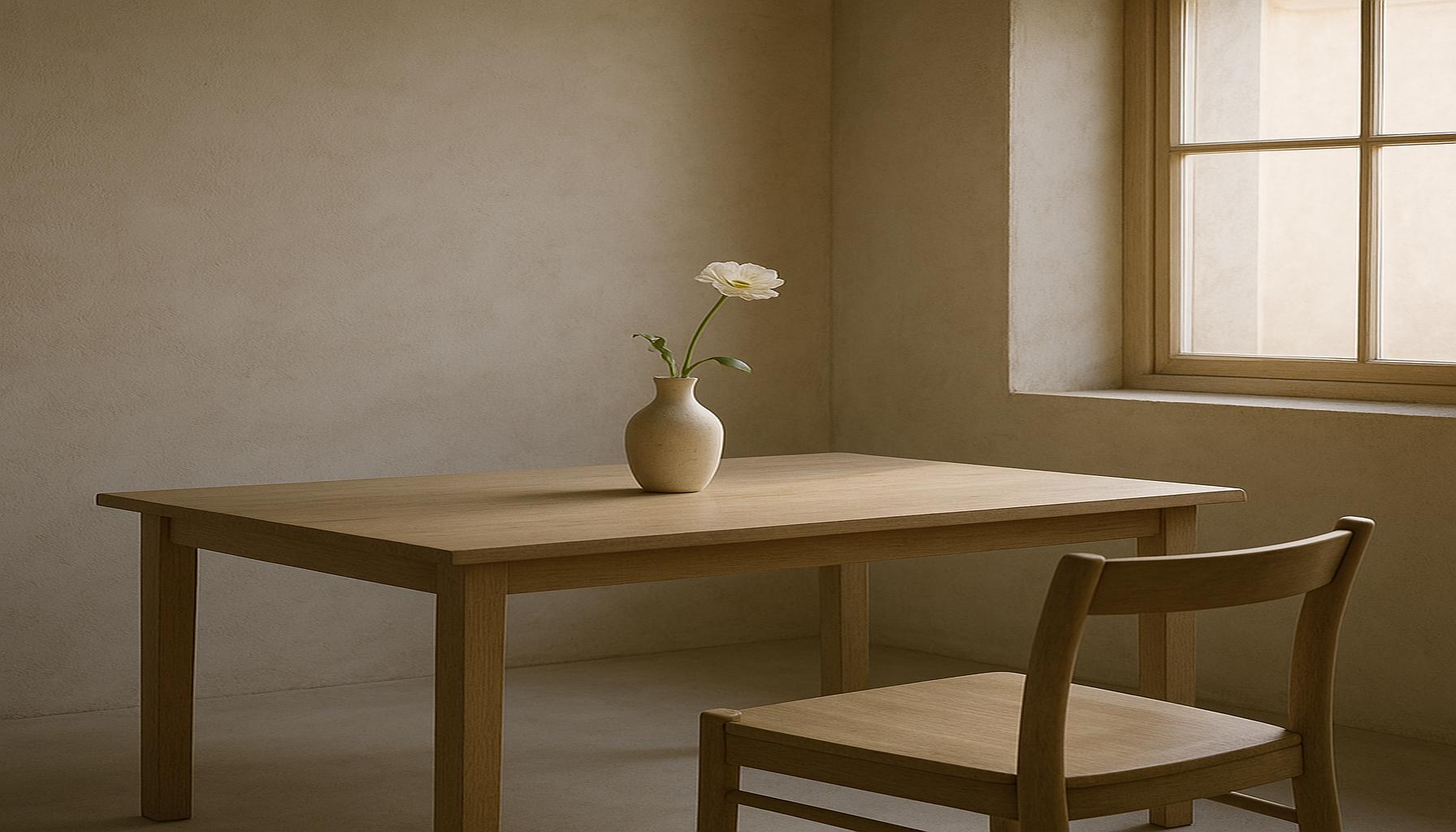
Finding Focus in a Chaotic World
In a society overflowing with choices and distractions, minimalism has emerged as a beacon for those seeking clarity. The ability to say no isn’t just about rejecting options; it’s about making space for what truly matters in life. As our lives become busier, this skill becomes increasingly essential. The modern world presents an endless barrage of notifications, social media updates, and obligations pulling us in every direction. Navigating this chaos often feels like an insurmountable challenge, leading many to reconsider their priorities.
Why Embrace Minimalism?
- Reduces Stress: A simplified life minimizes overwhelm. Studies show that maintaining fewer commitments can significantly reduce feelings of anxiety. For example, research by the American Psychological Association indicates that cluttered environments can have detrimental effects on mood and mental health, making it crucial to embrace simplicity.
- Enhances Well-being: Focusing on priorities fosters a sense of peace. Minimalism encourages individuals to engage in activities that genuinely resonate with their core values. By reallocating time from trivial pursuits to meaningful experiences, such as spending more time with loved ones or pursuing hobbies, individuals can significantly improve their overall mental health.
- Promotes Personal Growth: Investing time in meaningful pursuits can yield profound personal development. Embracing minimalism allows individuals to dedicate more energy towards learning new skills, deepening relationships, or enhancing their careers without the constant distraction of unnecessary obligations.
Adopting a minimalist lifestyle isn’t merely about decluttering physical spaces; it’s also about mental decluttering. An important aspect of this journey involves introspection, prompting us to ask critical questions that influence our everyday choices. The questions that arise often include:
- What truly adds value to my life?
- Am I committing my time wisely?
- How do I gracefully decline demands on my time and energy?
Embracing the art of saying no can lead to profound transformation. It requires practice and discernment, yet the results can be remarkably liberating. By prioritizing commitments aligned with personal values, individuals can cultivate a life rich in purpose and fulfillment. This can involve setting boundaries around work or even simplifying social engagements, focusing on quality time with friends and family instead of trying to juggle countless social obligations.
In a world that often equates busyness with productivity, the minimalist perspective invites a radical shift: it encourages us to redefine success—not by the quantity of our commitments, but by the quality of our experiences. The minimalist mindset can empower you to break free from the noise of societal expectations, allowing for a more intentional and gratifying approach to life. Join us as we explore how minimalism can empower you to focus on what really matters and, in doing so, reclaim your time and peace of mind.
The Power of Decluttering Your Life
Embracing minimalism involves more than simply reducing physical possessions; it also encompasses a shift in our mindset towards managing time, energy, and relationships. This mental decluttering allows individuals to free themselves from the tyranny of excess—whether that excess is in material goods, overwhelming commitments, or social obligations. To truly focus on what matters, embracing the art of saying no becomes crucial.
Understanding how to say no can be a game-changer in both personal and professional contexts. For instance, research by the Harvard Business Review reveals that the average professional is bombarded with over 100 emails each day, many of which require our attention. When every ping of our devices competes for our focus, the ability to decline certain tasks or invitations becomes paramount. The goal is to protect our time—an invaluable resource that cannot be replenished.
Identifying Priorities
Before the process of saying no can begin, individuals must first identify what truly matters to them. This may involve self-reflection and asking key questions, such as:
- What brings me joy and fulfillment? Recognizing activities that resonate with personal values can help illuminate what should take precedence.
- Where do I find the most impact in my work and personal life? Evaluating where your contributions lead to significant progress can help streamline commitments.
- What commitments are truly necessary? Distinguishing between obligations and choices can guide individuals in making informed decisions about where to allocate their time.
Once individuals have a clear understanding of their priorities, they can communicate their boundaries more effectively. Saying no doesn’t have to be confrontational or harsh; it can be a graceful and respectful way to honor one’s needs. For example, a simple response could be: “I appreciate the offer, but I am currently focusing on other commitments that require my full attention.” This not only protects personal time but also fosters respect for one’s limits among peers and loved ones.
Additionally, cultivating emotional intelligence plays a vital role in this process. Understanding one’s own feelings and the motivations behind requests can aid in the decision-making process. By recognizing why a request feels overwhelming or misaligned with one’s priorities, individuals can respond with greater confidence and clarity.
The Long-term Benefits of Saying No
As individuals practice saying no and prioritize their commitments, the long-term benefits become apparent. Research conducted by the University of California indicates that individuals who embrace minimalism and prioritize meaningful commitments report higher levels of happiness and reduced stress levels. As the weight of unnecessary obligations lifts, it becomes easier to engage in meaningful relationships and experiences.
Ultimately, embracing minimalism and mastering the art of saying no leads to a more intentional life. By focusing on what genuinely matters, individuals can cultivate a lifestyle filled with purpose, opportunities for growth, and deep connections—empowering them to reclaim not just their time, but their sense of self as well.
Understanding Minimalism in Depth
As we delve deeper into the concept of minimalism, it becomes clear that it is more than just aesthetics; it’s a profound lifestyle choice aimed at fostering clarity and focus. Minimalism encourages us to reassess our possessions, commitments, and even our relationships, striving to eliminate the unnecessary to make room for what truly matters. This shift often leads to enhanced mental clarity and tranquility, aligning with the idea of simplifying one’s life.
Moreover, the art of saying no can be a pivotal aspect of implementing minimalism effectively. It allows individuals to prioritize their time and energy, ensuring they devote resources to activities that are meaningful and fulfilling. By learning to gracefully decline less impactful invitations or obligations, one can cultivate a life that resonates with authenticity and purpose.
Practical Applications of Minimalism
Implementing minimalism can start small. For instance, decluttering your living space can provide immediate psychological benefits, such as reduced stress and increased productivity. As you clear away physical distractions, you may find that your mental space expands, inviting creativity and focus into your daily routine.
Additionally, minimalism can extend beyond our physical possessions. In the digital age, minimizing **screen time** and social media engagements can lead to improved mental health and well-being. It’s crucial to take stock of the digital clutter and assess which platforms and content genuinely add value to our lives.
Minimalism and Financial Efficiency
In a society driven by consumerism, adopting a minimalist philosophy can also translate into financial benefits. By prioritizing needs over wants, individuals can make more informed financial decisions, ultimately leading to savings and reduced debt. This approach promotes sustainable spending habits, whereby one invests in high-quality items that serve long-term purposes rather than succumbing to fleeting trends.
In essence, minimalism allows individuals to shift from merely existing to actively living with intention and purpose. The road to simplicity is not a straightforward one; however, embracing the art of saying no can serve as a powerful tool in cultivating a meaningful, well-balanced life centered around what genuinely matters.
| Category | Key Features |
|---|---|
| Enhanced Focus | Eliminating distractions allows for deeper concentration on tasks. |
| Financial Sustainability | Encourages mindful spending, resulting in better financial health. |
The Shift Towards Intentional Living
In our fast-paced society, the overwhelming tide of opportunities can often drown out what truly matters to us. To reclaim a sense of purpose and clarity, many are turning to minimalism as a strategy not just for physical decluttering, but for achieving intentional living. This shift encourages individuals to not only evaluate their possessions but to scrutinize their commitments and relationships, thereby fostering a sanctuary for what is genuinely important.
The Ripple Effect of Saying No
When individuals begin to embrace the practice of saying no, the benefits extend far beyond personal gain. Research from the American Psychological Association indicates that the act of prioritizing commitments alleviates anxiety and can even improve overall health and wellbeing. Each opportunity that is declined spares time and energy for those that truly enhance our lives. For example, saying no to a late-night networking event allows for more rest or precious moments with family, showcasing how one decision can reverberate through different facets of life.
Furthermore, this practice cultivates respect in professional environments. When team members are clear about their boundaries, it creates a culture of respect for time among colleagues. This not only uplifts morale but can also increase productivity. A study by Stanford University found that employees who maintain a healthy work-life balance, achieved through strategic decision-making about commitments, demonstrate greater creativity and problem-solving capabilities. Such insights underscore the notion that the art of saying no can lead to more fulfillment in both personal development and professional excellence.
Building Resilience Through Boundaries
Establishing boundaries allows individuals to develop resilience against the pressures of societal expectations. For many, the burden of external validation—be it through social media, community events, or familial obligations—can stifle personal happiness. Learning to say no can act as a protective mechanism that safeguards our mental health. The mental health organization Mind reports a significant increase in wellbeing among individuals who set and uphold boundaries, demonstrating a clear link between minimalism, boundary-setting, and mental health stability.
Moreover, this process doesn’t have to be an overwhelming spectacle. Instead, it can be seen as a daily practice. Perhaps it means allowing oneself to skip a social gathering to prioritize self-care or declining additional responsibilities at work when workload is already high. Each small decision nurtures a habit of prioritization, gradually transforming one’s approach to life and commitments.
The Role of Community Support
As individuals embark on their journey of minimalism and the art of saying no, surrounding oneself with a supportive community can be invaluable. Engaging with others who share similar values fosters an environment of encouragement and accountability. Online forums, local minimalism groups, or even social media communities can provide insights and shared experiences that reinforce the importance of focusing on what matters most. Many find that discussing the importance of intentional living with those in their circle helps them feel less isolated in their decisions and allows them to learn from various perspectives.
In this ever-changing landscape, where distractions abound and commitments can feel obligatory, embracing minimalism and the art of saying no emerges as a critical skill. By realigning focus on what resonates personally and promotes wellbeing, individuals can cultivate a life rich in meaning and connection, while effectively managing the noise that surrounds them.
Conclusion: Embracing a Life of Meaning
In today’s world, where distractions and competing commitments often cloud our judgment, the principles of minimalism and the art of saying no become crucial tools for personal clarity and fulfillment. By making intentional choices regarding what to engage with, individuals can prioritize their mental health, enhance productivity, and cultivate a meaningful existence. Research indicates that those who embrace these strategies not only experience improved health and well-being but also form deeper, more satisfying relationships.
Ultimately, minimalism is not merely about reducing physical clutter; it’s a holistic approach that encourages us to examine our lives critically. Each decision to say no serves not just as a boundary, but as a declaration of self-worth. It demonstrates a commitment to spending time on pursuits that resonate deeply and enrich our lives. Moreover, fostering a community of like-minded individuals can bolster this journey, offering support, inspiration, and shared experiences.
As you navigate through the complexities of modern life, consider how minimalism and intentional choices can reinvigorate your spirit. By focusing on what truly matters, you can cultivate resilience, enhance personal growth, and ultimately lead a life that is balanced, fulfilling, and aligned with your core values. Embrace the art of saying no—it may just open the door to a more authentic life.
Related posts:
The Benefits of Digital Detox for Minimalist Productivity
Minimalism in Time Management: Techniques to Simplify Commitments and Enhance Efficiency
The Art of Saying No: How Minimalism Can Improve Your Decisions
Minimalist Strategies for Efficient Time Management
How Minimalism Can Increase Your Daily Productivity
Minimalism and Mental Health: How Fewer Things Can Lead to More Clarity and Focus

Linda Carter is a writer and organization expert specializing in minimalism and personal organization. With extensive experience helping individuals create clutter-free, functional spaces and adopt mindful habits, Linda shares her knowledge on our platform. Her goal is to empower readers with practical advice and strategies to simplify their lives, stay organized, and achieve a sense of calm and balance in their daily routines.