Master the Art of Letting Go Home Organization for Minimalist Living
Introduction
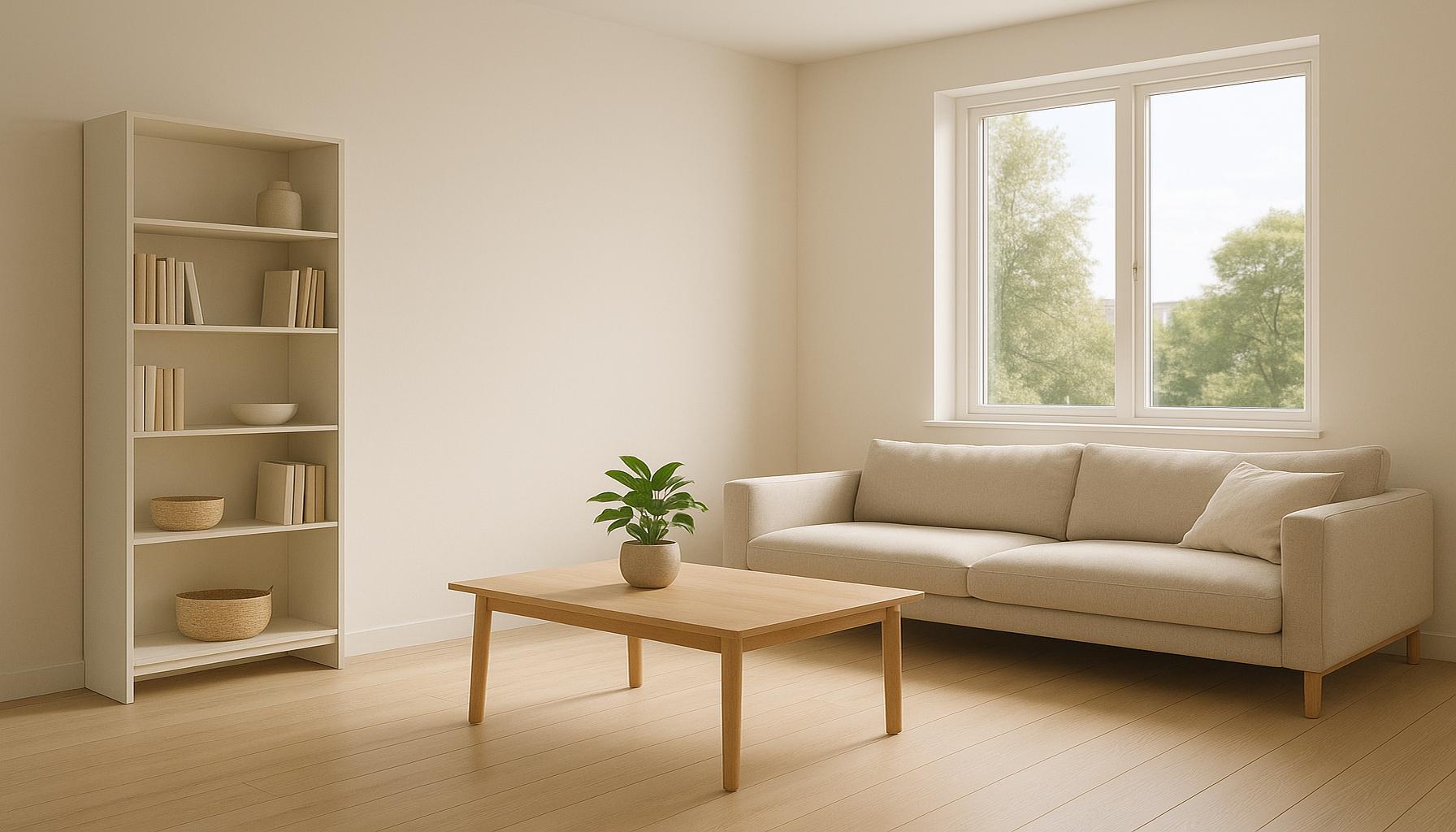
Minimalism has evolved from a mere trend to a powerful lifestyle choice embraced by many seeking simplicity and clarity. Central to this journey is the art of letting go, a process that begins at home with the organization of our physical space. As our surroundings become less cluttered, we often find our minds and lives follow suit, creating room for what truly matters.
Understanding the benefits of home organization is crucial for anyone considering a minimalist approach. By letting go of unnecessary items, individuals can enjoy a range of advantages, including:
- Reduced stress: A tidy environment often leads to a calmer mind.
- Enhanced focus: Fewer distractions allow for better concentration on essential tasks.
- Financial savings: Embracing minimalism encourages smarter purchasing habits.
In this article, we will delve into practical strategies for home organization and explore the Top 5 tips to help you master the practice of letting go. Prepare to discover how these simple yet effective techniques can reshape your living space and, ultimately, your life.
Top 5: The Art of Letting Go – How Home Organization Facilitates a Minimalist Life
In today’s fast-paced world, where our homes brim with possessions and our schedules overflow with distractions, minimalism offers a refreshing antidote. This lifestyle emphasizes simplicity, focusing on what truly matters by letting go of the superfluous. Central to this philosophy is the art of home organization, which not only brings order but also propels us toward a more meaningful life. Here, we delve into the top five aspects of how organizing your living space can guide you towards a minimalist, and consequently, a more rewarding existence.
5. The Psychological Benefits of Decluttering
The connection between one’s environment and mental health is profound, yet often underestimated. A cluttered space can contribute significantly to heightened levels of stress and anxiety. Studies suggest that physical clutter leads to psychological clutter, overloading the brain and stifling productivity.
By letting go of unnecessary items, you pave the way for a serene and orderly space. This newfound tranquility significantly enhances your mental well-being. Consider the following advantages:
- Reduction in anxiety levels: A tidy space engenders a calm mind, alleviating stress and anxiety.
- Improved productivity and focus: A clutter-free environment allows you to concentrate on tasks without distractions.
- Enhanced decision-making capabilities: A minimal environment reduces decision fatigue, sharpening your ability to make choices.
- Better mood and overall well-being: Living in a visually appealing space uplifts the spirit and promotes happiness.
The transformation achieved through decluttering can facilitate a profound connection with your inner self and your immediate environment, enabling a clearer perspective on life.
4. Financial Savings from a Minimalist Lifestyle
Beyond aesthetics and order, minimalism holds substantial financial benefits. Typically, the accumulation of possessions aligns with increased spending. Every object purchased not only incurs direct costs but often requires ongoing expenses related to maintenance and cleaning.
By conscientiously organizing and streamlining your possessions, resources can be allocated toward pursuits that genuinely enhance your life. Here are some financial advantages:
- Reduced spending on unnecessary items: Mindful decluttering aids in curbing impulsive purchases, leading to significant savings.
- Lower utility costs due to fewer possessions: Less clutter often translates to reduced energy consumption, thus lowering utility bills.
- Less frequent shopping trips: A clear inventory of your belongings diminishes the need for frequent shopping excursions.
- Potential earnings from selling unused items: Selling items you no longer need can generate additional income.
This approach not only safeguards your wallet but conserves time and energy, crucial components of minimalist living.
3. The Increased Freedom from Less Possessions
Minimalism’s embrace introduces a liberating form of freedom derived from owning fewer possessions. The perpetual cycle of acquisition, upkeep, and eventual disposal of items can be exhausting. Adopting a minimalist lifestyle dismantles these chains, freeing you from both physical and emotional burdens.
This liberation reverberates through various life facets, allowing for enhanced time and space utilization. Here’s how minimalism promotes freedom:
- Flexibility in moving or relocating: With fewer possessions, moving becomes a simpler, less cumbersome process.
- More time available for meaningful activities and relationships: Less time managing possessions means more time for people and passions.
- A simplified daily routine with less clutter to manage: Streamlined possessions lead to smoother, more efficient daily routines.
- Enhanced ability to focus on experiences rather than possessions: Shifting focus from material items to experiences enriches personal fulfillment.
Living with less opens avenues for engaging more fully with life, unencumbered by the weight of material possessions.
2. Improved Environmentality through Mindful Consumption
Minimalism, while profoundly personal, also signifies a commitment to environmental stewardship. By prioritizing quality over quantity, minimalists make more mindful choices, shifting away from society’s disposable consumption patterns.
Organizing and decluttering your home fosters a re-evaluation of consumption habits, which positively impacts the environment. Here are ways organizing supports sustainability:
- Encouragement of buying sustainable products: A minimalist mindset often gravitates towards products that are environmentally friendly.
- Support for local and ethical businesses: Mindful consumption leads to choosing goods from reputable sources, promoting local economies and ethical practices.
- Reduction in waste generated through conscious purchasing: Intentional buying results in less waste, reducing environmental impact.
- Promotion of second-hand and upcycled goods: Embracing preloved and creatively reused items minimizes demands on natural resources.
Decluttering is not just an act of simplification; it’s also a contribution toward a sustainable future.
1. A Clearer Vision for Your Life
The ultimate reward of organizing and minimizing your space is the clarity and vision it fosters. Engaging in the art of letting go sharpens your focus on life’s essentials, unveiling a greater sense of purpose. In simplicity, you begin to discern what genuinely matters, facilitating a holistic re-evaluation of life’s priorities.
Aligning your living space with these values illuminates a path forward defined not by material wealth but by meaningful connections, experiences, and growth. As possessions dwindle, what shines through are enhanced relationships, personal goals, and a genuine appreciation for what you already have.
In this minimalist sanctuary, distractions fade, and the mind becomes a fertile ground for creativity, reflection, and happiness. Embracing the art of letting go doesn’t just create space in your home — it opens up new opportunities and pathways for a richer, more intentional life.
| Category | Key Features | Advantages | Disadvantages | Who Would Benefit Most |
|---|---|---|---|---|
| Physical Space Optimization | Utilizing effective storage solutions and decluttering | Maximizes available space and enhances accessibility to items | Can be overwhelming to start if clutter is severe | Homeowners looking to increase space efficiency |
| Mental Clarity | Reduction of visual clutter leading to less distraction | Promotes a calm environment conducive to focus and productivity | Initial disruption of established habits may cause stress | Individuals seeking improved mental health and creativity |
| Sustainability | Encouragement of responsible consumerism and conscious living | Reduces waste and promotes recycling through decluttering | Difficult to maintain a minimalist lifestyle in a consumer-driven culture | Environmentally-conscious individuals wanting to lessen their impact |
| Enhanced Productivity | Organized spaces that facilitate easier task completion | Increases efficiency by minimizing time spent searching for items | May require time upfront for sorting and organizing | Busy professionals aiming to manage their time better |
The exploration of these categories reveals how tackling the art of decluttering can pave the path to a minimalist lifestyle filled with advantages. Physical space optimization not only enhances the practical aspects of living but also fosters a more serene and functional environment. This approach ensures that every item has a purpose, thus augmenting one’s spatial experience.Furthermore, embracing sustainability resonates profoundly with the rising trend of eco-conscious living. As individuals become more aware of their consumption habits and their environmental impact, the organization of one’s home stands as a testament to responsible living. The benefits extend beyond the confines of personal satisfaction; they contribute to broader societal change.Mental clarity and enhanced productivity ultimately become intertwined in the quest for minimalism. The conditions of one’s home can significantly affect their mindset. When items are organized, the mind is free to focus on more meaningful pursuits, thereby unlocking creativity and fostering innovation.Incorporating these elements into everyday life requires commitment and a mindset geared toward continuous improvement. By understanding the value of each component, readers can appreciate their journey toward minimalism as not just a project, but an evolving process that enhances life quality comprehensively.
Frequently Asked Questions About Embracing Detachment and Minimalist Living
What are some initial steps to start decluttering my home?
Embarking on a decluttering journey can seem daunting, but starting small can make a significant difference. Begin with a single room or space, such as your wardrobe or kitchen counter. Identify items you haven’t used in the past year and consider if they truly add value to your life. Implement the “one in, one out” rule, where you only acquire something new once you’ve removed an old item. Over time, you’ll find that this approach naturally cultivates a more minimalist lifestyle. It’s important to remember that the process is ongoing and doesn’t happen overnight.
How can organization really impact my mental health?
A well-organized home can significantly influence your mental well-being. Chaos in your physical environment often mirrors mental clutter, leading to stress and anxiety. Research indicates that living a minimalist lifestyle can enhance focus and productivity by eliminating distractions and providing a sense of control. The liberation that comes with letting go of possessions can foster a more serene and centered mindset, ultimately improving your overall quality of life. Many find that living with less allows them to prioritize meaningful experiences over material goods.
Is it necessary to get rid of sentimental items to live minimally?
Living minimally doesn’t mean you have to part with every sentimental item. Instead, it’s about striking a balance between holding onto memories and not letting those items overwhelm your space. Consider keeping a select few items that hold the most sentimental value and find creative ways to honor the memories they represent, such as displaying them in a designated space. Minimalism is personal, and your journey should reflect what truly matters to you, aligning with your vision of a fulfilling life.
What are some challenges I might face in adopting a minimalist lifestyle?
Transitioning to a minimalist lifestyle can present several challenges, such as emotional attachment to possessions and societal pressures to accumulate more. It’s critical to shift your mindset and redefine what success and fulfillment mean to you. Family members and partners might also have differing views on minimalism, requiring open and respectful communication. Remember, the key is consistency, and small, incremental changes will lead to a more meaningful lifestyle in the long run.
Conclusion: Embracing Minimalism through Organization
In today’s fast-paced world, the art of detaching from material possessions and embracing a minimalist lifestyle offers a path to clarity and tranquility. The article on “A Arte de Desapegar: Como a Organização da Casa Facilita uma Vida Minimalista” illustrates how a structured and organized home serves as the cornerstone of living minimally.
To recap, the minimalism approach advocates for simplifying one’s life by relinquishing superfluous possessions and intentional organization of living spaces. A clutter-free environment not only reduces stress but also enhances mental focus, allowing individuals to channel their energy toward meaningful experiences and goals. This transformation begins with the conscious decision to let go of items that no longer serve a purpose, thereby honing a mindful approach toward practical yet essential belongings.
Moreover, as we highlighted, adopting minimalism doesn’t mean deprivation; rather, it fosters an appreciation for quality over quantity, emphasizing value and utility. Organizational strategies, such as strategic storage solutions and efficient use of space, play a pivotal role in supporting this lifestyle by ensuring that our immediate surroundings reflect order and peace.
Understanding the strong link between a neat environment and a minimalist lifestyle sheds light on broader implications for mental well-being and personal satisfaction. By embedding these principles into daily life, individuals stand to gain not only a sense of freedom from the chaos of clutter but also a deeper connection to what truly matters.
In closing, the journey toward minimalism via home organization holds transformative potential. The insights shared encourage readers to reflect on personal habits, inviting them to explore minimalism further and experiment with organizational techniques to enhance their quality of life. As the art of detachment becomes second nature, one may find that the minimalist lifestyle is not merely an aesthetic or a fleeting trend but a rewarding endeavor toward sustainable and meaningful living.
Related posts:
Organization Strategies for Small Spaces: Minimalism in Urban Apartments
Functional Home Organization Boost Productivity Serenity Spaces
The Importance of Routine in Maintaining a Minimalist Organization
Transforming Small Spaces with Principles of Minimalism and Organization
The Benefits of Decluttering: How Minimalism Transforms Your Home Organization
Digital Organization: Maintaining Minimalism in the Information Age

Linda Carter is a writer and organization expert specializing in minimalism and personal organization. With extensive experience helping individuals create clutter-free, functional spaces and adopt mindful habits, Linda shares her knowledge on our platform. Her goal is to empower readers with practical advice and strategies to simplify their lives, stay organized, and achieve a sense of calm and balance in their daily routines.