How Lighting and Color Influence the Organization of the Workspace
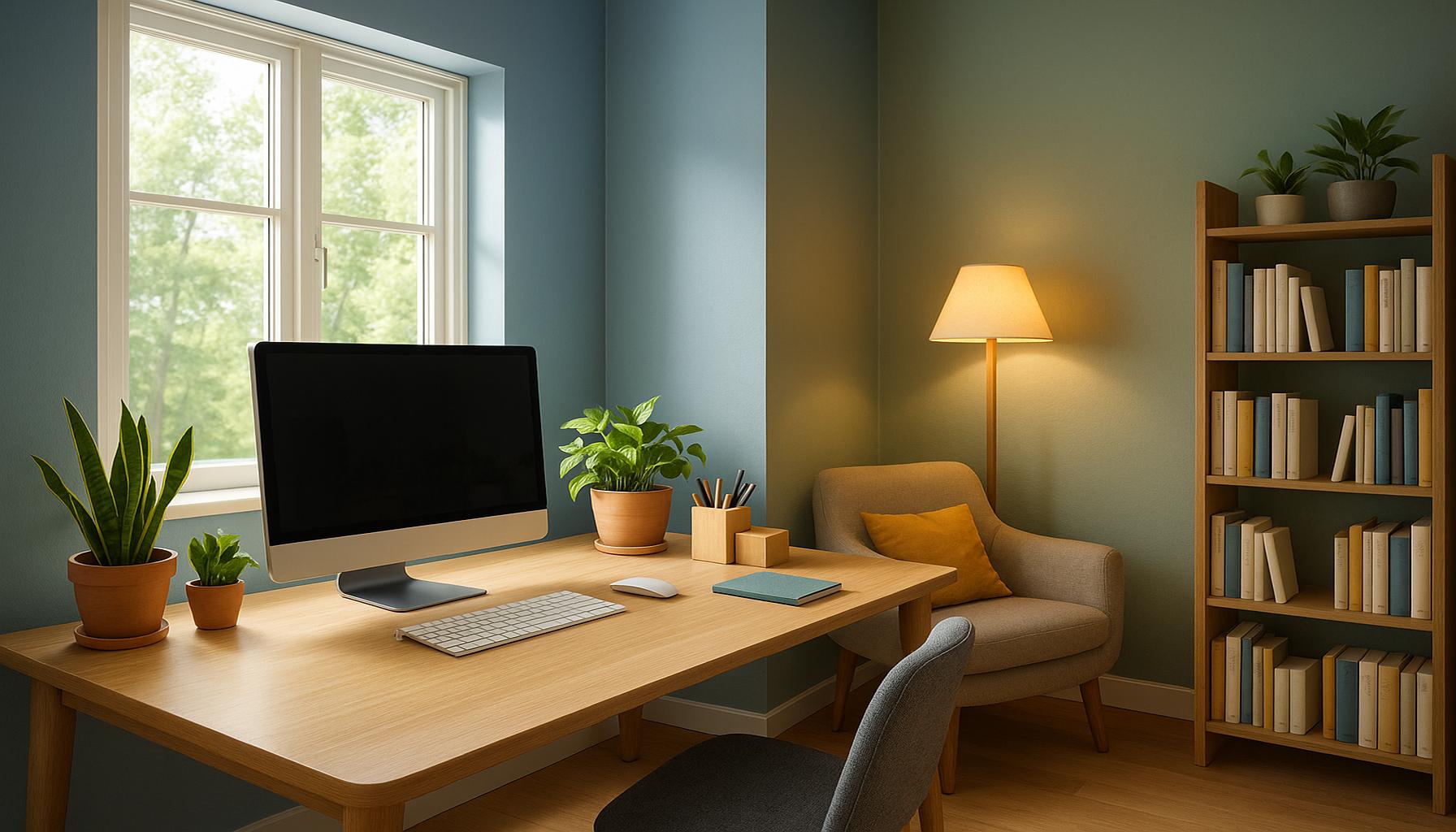
The Importance of Optimizing Workspace Environment
The ambiance of a workspace can dramatically shape productivity and creativity. Lighting and color play critical roles in this environment, influencing not only mood but also efficiency. Understanding their impact can lead to significant improvements in organizational outcomes.
Key Effects of Lighting
- Natural light: Studies suggest that daylight exposure enhances mood and energy levels, leading to heightened productivity. In workplaces with ample windows or skylights, employees have reported increased job satisfaction. A notable study by the University of Illinois found that employees who worked in environments with natural light took fewer sick days.
- Task lighting: This targeted illumination can help reduce eye strain and increase focus, especially for those working on detailed tasks like drafting documents or analyzing data. For example, adjustable desk lamps can provide the optimal lighting required, minimizing distractions and helping maintain concentration.
- Color temperature: The correlation between color temperature and productivity is supported by research. Cooler tones, around 4000 Kelvin and above, are often linked to increased alertness, making them ideal for areas focused on high-energy collaboration, while warmer tones are great for relaxing spaces where creativity can flourish.
The Influence of Color
- Warm colors: Colors like reds and yellows can stimulate creativity and energy. Creative industries, such as advertising and design, often incorporate these colors into their workspace to inspire innovation. For instance, Google’s colorful office spaces encourage an atmosphere ripe for brainstorming and idea generation.
- Cool colors: Blues and greens are known to promote calmness and concentration. Many corporate offices use these shades in meeting rooms or workstations to foster an environment conducive to thoughtful decision-making. Research indicates that blue can enhance focus and is associated with productivity.
- Neutral tones: Shades like beige and gray create a balanced atmosphere that encourages teamwork and collaboration. Open office spaces often employ these colors to create a sense of harmony, making it easier for employees to work together without the distraction of overly bright or clashing decor.
As workplaces evolve, the interplay between lighting and color becomes essential for fostering a positive environment. Research indicates that well-considered choices in these areas can lead to improved employee satisfaction and productivity. For organizations considering its workspace design, understanding these elements is crucial. Companies that invest in proper lighting systems and color theories not only enhance employee well-being but also boost overall performance, establishing a competitive edge in the market. Discover how optimizing these elements can transform the organizational structure and overall workplace experience.
Effects of Workspace Lighting on Productivity
Effective lighting design is an essential component of creating an optimal workspace. The implications of lighting extend far beyond mere visibility; they significantly impact employee morale, focus, and overall workplace efficiency. A well-lit environment can foster a positive ambiance, encouraging collaboration and innovation among team members.
Emphasizing the Benefits of Natural Light
One of the most beneficial aspects of lighting in the workplace is the incorporation of natural light. Numerous studies emphasize how exposure to daylight can lead to significant advantages for employees. For example, employees who regularly work in spaces flooded with natural light report feeling more energized and motivated. This phenomenon is corroborated by a study conducted by the University of Illinois, which discovered that access to natural light reduced the number of sick days taken by employees.
Additionally, natural light not only enhances mood but also supports the body’s circadian rhythms, ensuring that individuals maintain their energy levels throughout the day. This cyclical rhythm is crucial for sustaining high levels of productivity in fast-paced work environments. Implementing architectural elements like large windows and skylights can therefore be a strategic move for companies looking to enhance their workspace.
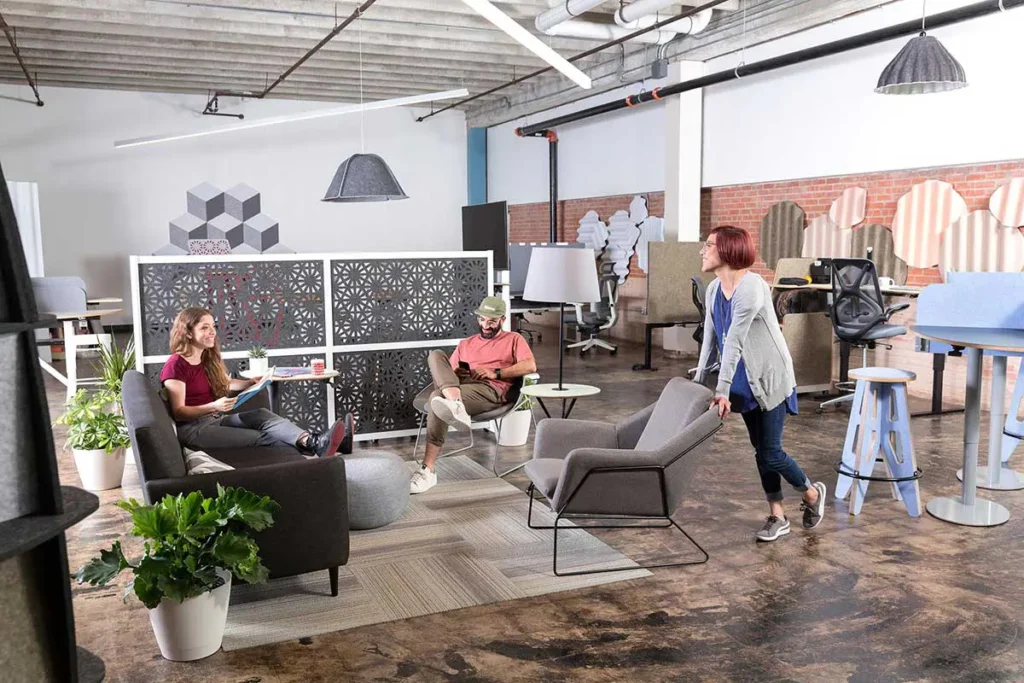
Task Lighting: A Focused Approach
Beyond natural light, the concept of task lighting warrants attention in workspace design. Task lighting refers to focused light sources that enhance visibility for specific activities, helping to reduce eye strain. In a typical office environment, adjustable desk lamps provide essential lighting for activities that require intense focus, such as reading, writing, or assembling reports. By allowing employees to personalize their lighting, organizations can bolster workplace satisfaction and effectiveness.
- Reduced Eye Strain: Properly illuminated workspaces can help minimize common complaints such as fatigue and headaches.
- Increased Concentration: Tailored lighting solutions allow employees to customize their work zone, leading to improved focus and task completion.
- Enhanced Comfort: A well-lit workspace can promote an inviting atmosphere, making it easier for employees to collaborate and share ideas.
The Role of Color Temperature
Another critical consideration for workspace lighting is color temperature. The measure of color temperature, expressed in Kelvins, can heavily influence the emotional response of employees. Research suggests that cooler color temperatures, typically around 4000 Kelvin and higher, can promote alertness and engagement—qualities particularly beneficial in collaborative and high-energy work environments. Conversely, warmer tones are often more soothing and can encourage relaxation and creativity, suited for brainstorming sessions or areas designed to foster innovation.
By thoughtfully combining lighting types and understanding the psychological implications of color temperature, organizations can establish a workspace that not only boosts productivity but also caters to the diverse needs of their employees. As businesses continue to adapt to the ever-changing landscape of work, the importance of lighting cannot be overstated. Investing in these elements is vital not only for well-being but also for cultivating a productive organizational culture.
| Category | Impact on Workspace |
|---|---|
| Lighting Quality | Innovative LED lighting can reduce eye strain and improve focus. |
| Color Psychology | Warm colors like yellow evoke creativity, while blue promotes productivity. |
| Ambient Lighting | Soft lighting can create a calm atmosphere that reduces stress levels. |
| Task Lighting | Localized lighting improves visibility, enhancing task performance. |
| Color Harmony | A well-balanced color scheme can promote a sense of belonging and well-being. |
The relationship between lighting and color profoundly affects how individuals interact within workspaces. The right lighting quality not only enhances visibility but also fosters a more focused working environment. For instance, research suggests that flexible lighting solutions, such as innovative LED systems, can help to alleviate eye strain and fatigue, which are common issues in modern offices.Furthermore, understanding color psychology has become essential in workspace design. Colors have emotional and psychological effects that can either enhance or diminish creativity and productivity. For example, the use of warm colors such as yellow has been linked to stimulating creativity, while cool colors like blue can help maintain a sense of calmness, thus improving overall productivity.Ultimately, by harmonizing both lighting and colors, organizations can create environments that are not only inviting but also significantly enhance employee performance and satisfaction. These elements are crucial in the quest for a productive and fulfilling workspace.
The Psychology of Color in the Workplace
As significant as lighting is, the colors within a workspace play a crucial role in influencing employee behavior and mood. Color psychology suggests that different hues evoke different feelings and reactions, making it essential for organizations to consider the color palette of their work environments carefully.
Blue: Enhancing Focus and Productivity
Among the plethora of colors, blue is frequently praised for its calming properties. Research indicates that blue shades can enhance concentration and foster a sense of stability. This is particularly important in task-oriented environments where attention to detail is paramount. By incorporating varying shades of blue within office designs—through wall colors, furniture, or even artwork—companies create a backdrop conducive to productivity. Notably, a study published by the University of British Columbia found that individuals working in blue-colored settings performed better on cognitive tasks than those in other colored environments.
Green: Invoking Harmony and Balance
While blue may promote focus, green brings a sense of balance and harmony. Associating it with nature, green can reduce stress levels and increase overall well-being. Organizations looking to enhance the atmosphere in high-pressure environments might find that adding plants or green accents can alleviate anxiety and provide a refreshing escape from the hustle of daily tasks. Studies conducted by the Journal of Environmental Psychology support this, showing that employees in green-enhanced spaces are more likely to experience improved mood and job satisfaction.
Red and Yellow: Driving Creativity and Energy
In contrast, colors like red and yellow can evoke high energy emotions. While red is attention-grabbing and stimulating, facilitating quick decision-making and assertiveness, yellow is associated with optimism and creativity. For collaborative spaces—where brainstorming and team discussions take center stage—these vibrant colors can invigorate the workspace, inspiring spontaneous idea generation. Research conducted by the University of California found that participants who worked in environments featuring red and yellow were more likely to think outside the box and generate innovative concepts.
Creating a Balanced Color Palette
However, harnessing the psychological effects of color doesn’t mean that businesses should saturate their spaces in any single hue. A balanced approach, drawing from a range of colors, can provide a multi-faceted workspace that addresses various needs simultaneously. For instance, combining soothing colors like green and blue with energizing shades such as yellow can create zones that promote both tranquility and creativity. A well-thought-out color scheme can ultimately enhance the overall aesthetic of a workspace while also serving functional purposes.
- Creating Zones: Using color to delineate different areas can help employees subconsciously transition between types of tasks.
- Promoting Brand Identity: Incorporating brand colors into the workspace creates a sense of unity and purpose among employees.
- Enhancing Visitor Experience: Thoughtful color choices can improve the first impressions of clients and prospective employees, enhancing the company’s image.
In essence, the interplay between lighting and color is pivotal in shaping a workspace that not only serves functional needs but also nurtures the psychological well-being of employees, ultimately influencing overall organizational success.
Concluding Thoughts on Workspace Lighting and Color
In the modern work environment, the significance of lighting and color cannot be overstated. These elements not only enhance the aesthetic appeal of a workspace but also play a transformative role in influencing employee mood, creativity, and overall productivity. The psychological impacts of color demonstrate that hues like blue, green, red, and yellow serve as more than just decorative choices; they can foster concentration, inspire innovation, and instill calmness in the workplace.
Moreover, strategic lighting can enhance these color effects, creating an environment that supports a range of tasks from focused work to collaborative brainstorming. By embracing a balanced approach that considers both lighting and color, organizations can create clearly defined zones within their workspace tailored to different workflow needs. This adaptability not only promotes employee well-being but also aligns with a cohesive brand identity, ultimately leading to higher job satisfaction and retention.
Investing in thoughtful design choices regarding lighting and color can yield significant returns, improving employee engagement and workplace harmony. As companies seek to create environments that merge comfort with productivity, the principles outlined in this exploration can serve as essential guidelines. To stay ahead in continuously evolving work norms, leaders must prioritize these often-overlooked aspects of workspace design, paving the way for a more vibrant, effective, and inclusive workplace in the future.
Related posts:
How Workplace Organization Can Increase Productivity in Minimalist Environments
The Importance of Letting Go: Transforming Your Workspace into a Minimalist and Inspiring Environmen...
Dismantling the Disorder: Minimalism Strategies for Home Offices
Organization of the Work Space: How to Implement Minimalism to Achieve a Balance between Aesthetics ...
The Art of Organizing: Minimalist Tools and Techniques for a Calmer Office
How Workplace Organization Can Increase Productivity

Linda Carter is a writer and organization expert specializing in minimalism and personal organization. With extensive experience helping individuals create clutter-free, functional spaces and adopt mindful habits, Linda shares her knowledge on our platform. Her goal is to empower readers with practical advice and strategies to simplify their lives, stay organized, and achieve a sense of calm and balance in their daily routines.