Home Office Organization Strategies: Keeping Simplicity and Functionality

The Importance of a Well-Designed Home Office
As the trend of remote work continues to gain momentum, a well-structured home office has become essential for many. It is not merely a space to execute work tasks; instead, it is a blend of both productivity and personal well-being, enabling employees to thrive both professionally and personally. Crafting an environment that prioritizes simplicity and functionality can lead to greater engagement and satisfaction during work hours.
Decluttering: The First Step to Success
One of the cornerstone elements of an efficient workspace is decluttering. A tidy office can greatly enhance focus and reduce distractions. Begin by assessing your workspace—remove any items that do not serve a purpose or contribute to your daily tasks. For instance, instead of piling up unfiled documents, consider digitizing papers that can be stored in cloud services such as Google Drive or Dropbox. This not only frees up space but also makes essential files accessible from anywhere. Regularly revisiting the contents of your desk ensures that your workspace remains conducive to productivity.
Storage Solutions: Keeping Essentials Within Reach
Effective storage solutions are vital for maintaining an organized home office. Utilize vertical spaces by installing shelves to keep supplies like books, notebooks, and decor within sight but off the desk. Drawer organizers can help keep small items such as pens, paper clips, and sticky notes neatly arranged and easily accessible. One handy method that many find effective is the use of mobile carts, which provide flexible storage options that can easily be moved around as needed. With the right storage in place, you can easily create a more structured workflow that minimizes the time spent searching for necessary tools.
Ergonomic Furniture: Prioritizing Comfort
Investing in ergonomic furniture is critical for long-term comfort and health in a home office setting. A well-designed office chair that supports your back can significantly reduce discomfort during long working hours. Desks that allow for height adjustments can be beneficial, enabling a smooth transition between sitting and standing. According to studies, good posture improves focus and reduces fatigue, making it easier to tackle that afternoon slump. Additionally, incorporating elements such as keyboard trays and monitor stands can further enhance comfort and efficiency.
As report after report highlights the shift toward remote work—with over 25% of professionals in the U.S. now working from home—having a coherent strategy for home office organization is more important than ever. The way your workspace is structured can either empower or hinder your daily performance. By taking the time to refine your office environment, you can enhance your productivity levels and cultivate a more satisfying work-life balance.
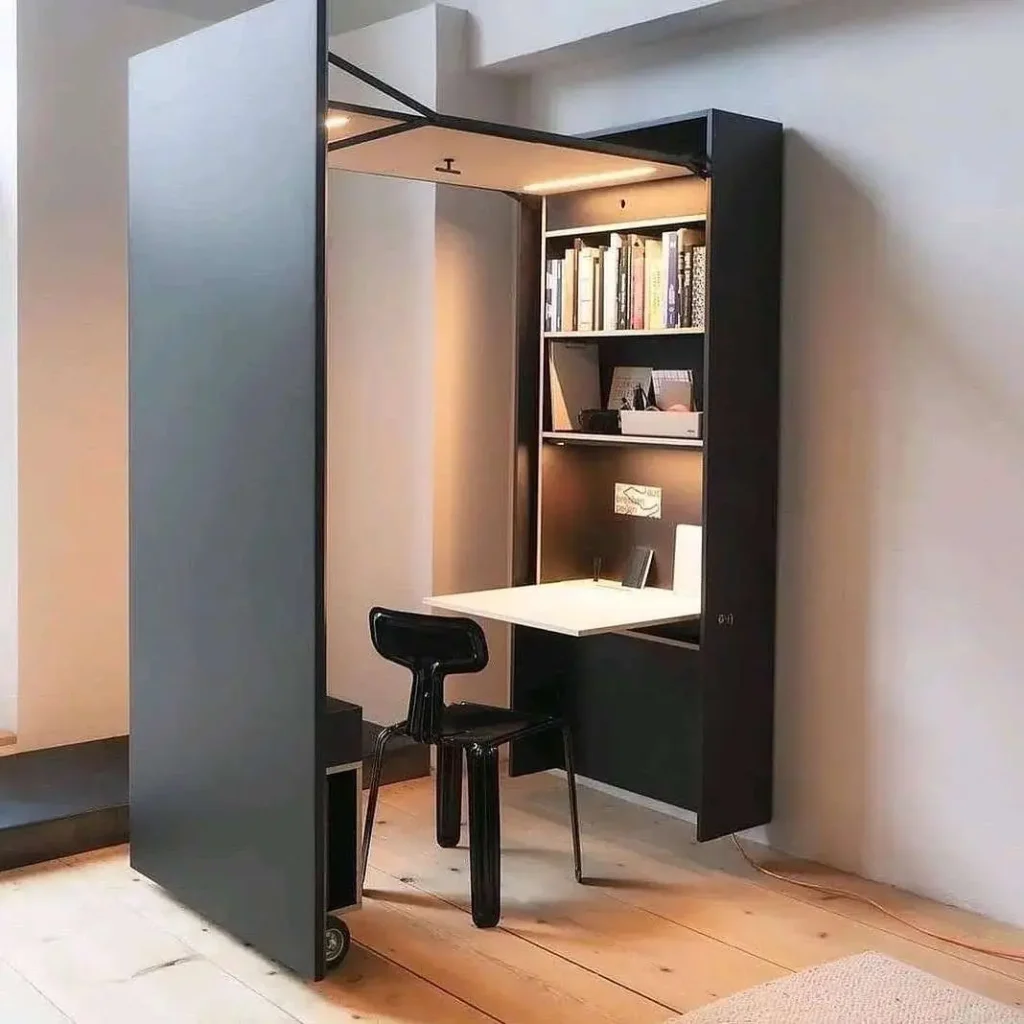
In this article, you will find valuable strategies to elevate your workspace, from smart organization tips to creating a visually appealing environment. The journey toward a functional home office is not merely about aesthetics; it is about nurturing creativity and focus in a space that truly represents your professional needs. Ready to take your home office to the next level? Let’s explore the transformative steps you can take.
Creating a Seamless Workflow
A well-organized home office is not just about aesthetics; it’s about creating a space that enhances productivity and reduces stress. Achieving this requires strategies that emphasize both simplicity and functionality. When your workspace is thoughtfully arranged, it can foster a seamless workflow, allowing you to focus on the tasks at hand without the distractions that arise from clutter or poor organization.
Designate Work Zones
One effective strategy is to designate specific work zones within your home office. This involves creating distinct areas for different tasks—such as a space for computer work, a reading nook for reviewing documents, and an area for creative brainstorming. Each zone should be equipped with the necessary tools and supplies to support its purpose. For example:
- Focus Zone: A quiet corner equipped with a desk, comfortable chair, and essential tech like a laptop or desktop computer.
- Reading Zone: A cozy chair or sofa paired with a small table for notes or books, ideally near a window for natural light.
- Creative Zone: An area with a whiteboard or corkboard for brainstorming, where you can pin inspiration, ideas, or project outlines.
By effectively zoning your office, you can streamline your work processes and minimize the time spent shifting between different tasks, ultimately increasing productivity.
Incorporating Technology
In today’s digital age, incorporating the right technology is a key component of home office organization. Utilizing tools that enhance connectivity and reduce clutter is essential. Consider these technological innovations:
- Wireless Devices: Invest in wireless printers, keyboards, and mice to eliminate cable clutter.
- Smart Organizers: Use apps and software for task management that can sync across devices, keeping you on track without needing physical planners.
- Virtual Meetings: Set up a reliable video conferencing platform to facilitate seamless communication, reducing the need for in-person meetings.
By embracing technology, you not only enhance your workspace but also improve collaboration and communication, which are essential for remote work success.
Personal Touch: Balancing Professionalism and Comfort
While organization is crucial, it’s equally important to inject your personal style into your home office. This creates a welcoming atmosphere that fosters creativity. Incorporate elements that reflect your personality, such as:
- Art and Decor: Include a few well-placed art pieces or photographs that inspire you.
- Plants: Adding greenery can improve air quality and boost your mood.
- Comfort Items: A favorite mug, a cozy throw blanket, or aroma diffusers can make your space more inviting.
Striking the right balance between professionalism and comfort can lead to a more enjoyable and productive work environment. Remember, your home office should be a reflection of you—efficient, yet comforting.
Incorporating these fundamental strategies not only paves the way for an organized home office but also sets the stage for enhanced focus and creativity as you navigate the demands of remote work. As you continue to refine your workspace, consider how these elements can help you achieve the perfect balance between simplicity and functionality.
Home Office Organization Strategies: Keeping Simplicity and Functionality
Creating an organized home office is essential for enhancing productivity and maintaining a sense of clarity in your work environment. The synergy of simplicity and functionality in your home office design can lead to significant improvements in focus and efficiency. Below are some compelling strategies that can transform your workspace into a haven of organization.
| Category | Description |
|---|---|
| Declutter Regularly | Maintain a Clear Workspace: Regular decluttering prevents distractions and promotes a focused environment. |
| Effective Storage Solutions | Smart Organization: Use shelves, cabinets, and drawer organizers to store office supplies efficiently, keeping everything accessible yet tidy. |
| Digital Workspace Management | Embrace Technology: Utilize apps for task management and cloud storage, ensuring documents are organized and retrievable at a moment’s notice. |
| Ergonomic Furniture | Comfort Meets Functionality: Invest in an ergonomic chair and adjustable desk to enhance comfort and promote better posture during work hours. |
This table outlines some key strategies for enhancing simplicity and functionality within your home office. The focus on specific organizational techniques allows for more efficient work processes and a serene work atmosphere. As you implement these strategies, you’re likely to witness a noticeable increase in productivity and overall job satisfaction. Consider exploring more advanced options, such as integrating a color-coded system for files or incorporating natural elements into your workspace to further boost focus and wellbeing.
Maximizing Storage and Minimizing Clutter
Effective home office organization hinges on the ability to maximize storage while minimizing clutter. A cluttered workspace can severely inhibit your ability to concentrate, leading to decreased productivity and increased stress. To combat this, consider several practical storage solutions that can simplify your workspace:
Vertical Storage Solutions
One common mistake in home office design is neglecting vertical space. Utilizing vertical storage can free up desk space and keep essential items within reach. Here are some ways to implement this concept:
- Wall Shelves: Install shelves above your workspace to store books, binders, and decorative items. This not only saves space but also makes it easier to access frequently used materials.
- Over-the-Door Organizers: Use organizers equipped with pockets on the back of doors to hold office supplies, charging cables, and other smaller items.
- Pegboards: These can be an ergonomic way to organize tools or office supplies. Customize the layout according to your needs, adding hooks, baskets, or shelves as required.
By creatively using vertical space, you can keep your workspace tidy while ensuring that your necessary tools are easily accessible. This strategy aligns with the principles of simplicity and functionality, enabling a more fluid workflow.
Decluttering Regularly
Another vital aspect of maintaining an organized home office is the practice of regular decluttering. Schedule time weekly or monthly to review your workspace and remove items that no longer serve a purpose. Here are some tips to streamline the decluttering process:
- Assess Utility: Evaluate the necessity of each item. Does it have a specific function or can it be recycled or discarded?
- Digital Clean-Up: Don’t forget about your digital workspace. Delete old files and emails, and organize your digital documents into clearly labeled folders.
- One In, One Out Rule: To maintain order, consider implementing a “one in, one out” policy— if you bring a new item into your office, commit to removing at least one existing item.
Regular decluttering not only keeps your office functional but also promotes a sense of clarity and peace as you work, enabling your mental space to thrive.
Choosing the Right Furniture
The furniture in your home office plays a crucial role in maintaining both simplicity and functionality. Prioritize selecting multifunctional furniture that serves various purposes, which can help to keep the office visually appealing while maximizing utility. Consider these options:
- Compact Desks: A desk with built-in shelving can double as a storage space, reducing the need for additional bookshelves or cabinets.
- Storage Ottomans: These serve as seating and storage solutions, offering a place to stash away supplies while also enhancing your decor.
- Convertible Furniture: Foldable tables or extendable desks can be especially useful if your home office doubles as a guest room or play area.
Choosing the right furniture can help streamline your work process, minimizing clutter while enhancing the overall aesthetic of your office, thus aligning with your goals of simplicity and functionality.
A well-organized home office isn’t just about tidiness; it’s about ensuring you have everything you need at your fingertips while creating an environment conducive to productivity. By implementing these storage solutions, decluttering consistently, and selecting the right furniture, you are taking concrete steps toward an effective and inviting workspace.
Conclusion
In today’s fast-paced work environment, adopting efficient home office organization strategies is essential for maintaining both simplicity and functionality. As individuals increasingly shift towards remote work, the significance of a well-structured workspace cannot be overstated. By implementing the techniques discussed, such as maximizing storage through vertical solutions, consistently decluttering, and selecting multifunctional furniture, you are not only crafting an aesthetically pleasing environment but also enhancing your productivity.
Imagine walking into a workspace where every item serves a purpose, and every corner inspires creativity. This transformation is within your reach and can significantly impact your daily efficiency. Furthermore, consider the additional advantage of a disciplined routine—by regularly reassessing your office layout and its functionality, you foster a serene environment that minimizes distractions. Research shows that an organized space can dramatically increase focus and efficiency, traits that are invaluable in our increasingly complex work lives.
Ultimately, the goal of home office organization is to empower you to work smarter, not harder. Embrace the principles of simplicity and functionality, and create a workspace that reflects your unique style while serving all your professional needs. With these strategies at your disposal, take the initiative today to reinvent your home office and cultivate an empowering atmosphere that propels you towards success.
Related posts:
Dismantling the Disorder: Minimalism Strategies for Home Offices
Declutter Your Workspace Minimalist Sanctuary Transformation Guide
Organization of the Work Space: How to Implement Minimalism to Achieve a Balance between Aesthetics ...
Digital Organization Tips to Enhance a Minimalist Workspace
How Workplace Organization Can Increase Productivity
Minimalist Office Organization Strategies to Reduce Clutter and Stress

Linda Carter is a writer and organization expert specializing in minimalism and personal organization. With extensive experience helping individuals create clutter-free, functional spaces and adopt mindful habits, Linda shares her knowledge on our platform. Her goal is to empower readers with practical advice and strategies to simplify their lives, stay organized, and achieve a sense of calm and balance in their daily routines.