Functional Home Organization Boost Productivity Serenity Spaces
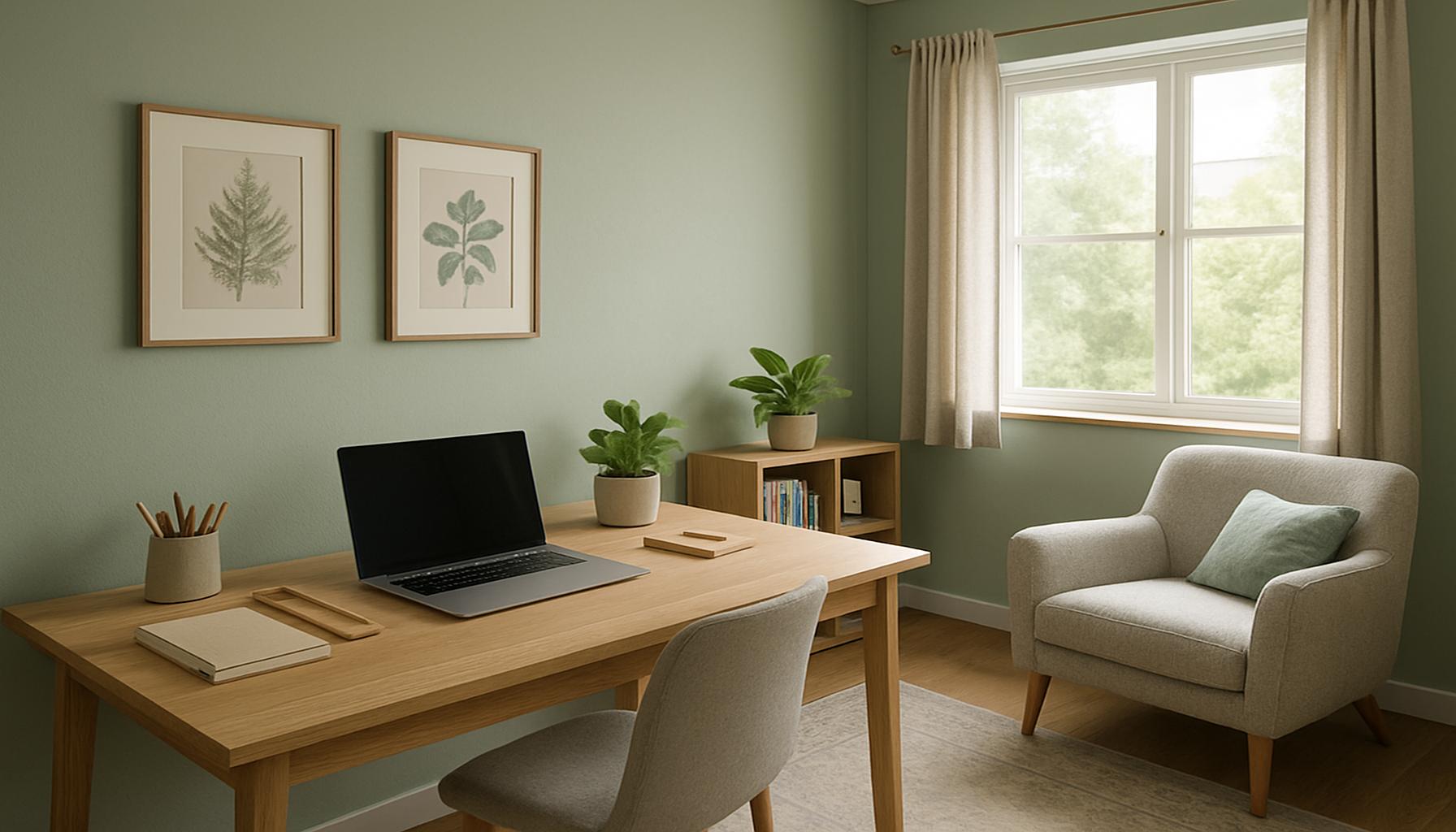
Creating Spaces that Enhance Daily Life
In today’s fast-paced world, achieving a balance between productivity and serenity at home has become increasingly important. A well-organized space not only brings clarity to our surroundings but also reflects our inner state of mind. By adopting principles of minimalism and effective personal organization, we can transform our homes into havens that support both work and relaxation.
Why Focus on Functional Organization?
- Increases Efficiency: A clutter-free environment allows for better focus on tasks.
- Promotes Calm: Organized spaces reduce stress, leading to a more serene atmosphere.
- Encourages Mindfulness: Minimalist practices foster awareness of our belongings and habits.
This article will explore the essence of functional organization, providing insights into how to create spaces that genuinely boost your daily productivity while cultivating tranquility. Get ready to discover the Top 5 strategies that can revolutionize your home environment for the better.
Top 5: Functional Organization – Creating Spaces that Promote Productivity and Serenity at Home
In today’s fast-paced society, where work, personal commitments, and the digital world constantly compete for our attention, creating spaces in our homes that support both productivity and peace becomes essential. Whether you’re managing a home office, crafting a relaxation corner, or simply seeking to bring more harmony into everyday living, a well-organized environment is a vital step. Achieving an optimal living space that encourages a minimalist lifestyle while enhancing focus can be transformative. Here’s a comprehensive exploration of the top five strategies for functional organization that can revolutionize your home.
5. Declutter Regularly
Decluttering is more than just tidying up; it’s about creating a living space that fosters mental clarity and focus. The premise is simple: when your physical environment is in order, your mind can be, too. Engaging in regular decluttering sessions instills discipline and mindfulness about possessions, encouraging one to evaluate their true necessities.
Consider the Four-Box Method as an effective tool to start the decluttering process:
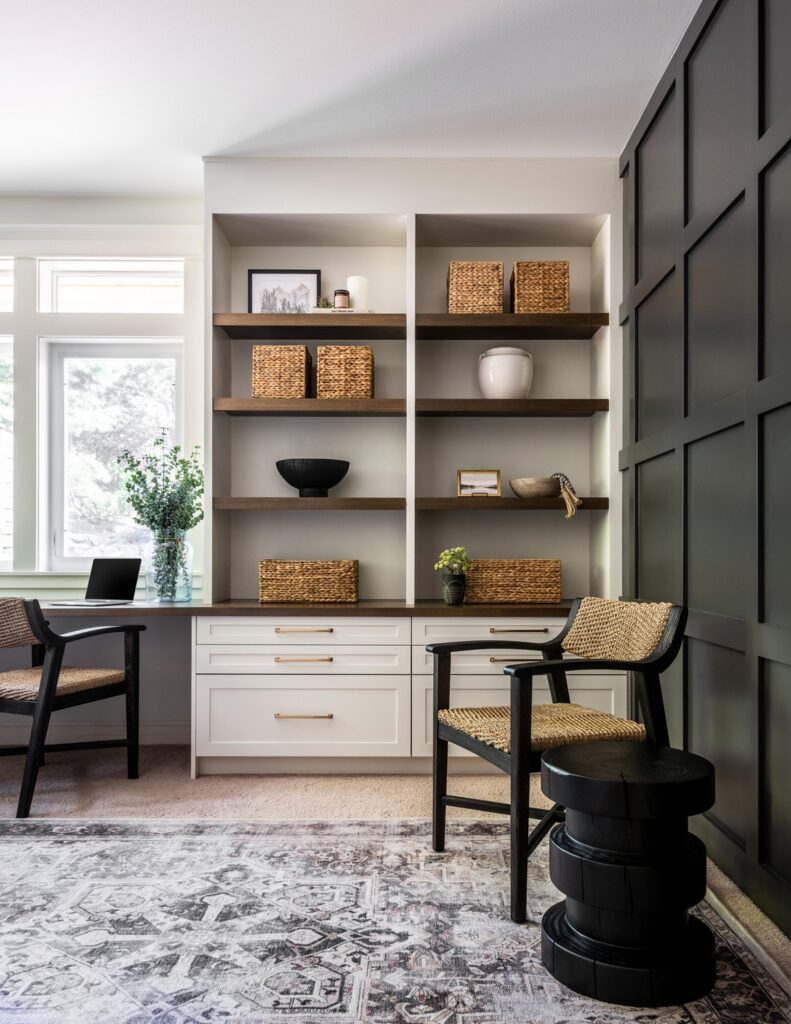
- Keep: These are the essentials, items that are used regularly and contribute meaningfully to your daily life.
- Donate: Items still in good condition that you no longer require. Offering these to those in need gives them a second life and helps others in your community.
- Trash: Damaged or irreparable items that no longer serve any purpose. Disposing of these helps liberate space and effort in maintaining them.
- Storage: Sentimental or seasonal items that aren’t in daily use but hold significance or utility for future occasions.
By decluttering, you create a more breathable space that allows your mind to focus better on current tasks, reducing distractions and enhancing your ability to concentrate.
4. Utilize Multi-Functional Furniture
In many homes, particularly those with limited square footage, making the most of available space is crucial. Multi-functional furniture is a genius solution to this common challenge. These pieces serve dual purposes, offering the practical advantage of utility and style, while minimizing the need for excess furnishings.
For instance, a storage ottoman serves as both a comfortable seat and a storage unit, keeping your room tidy yet accessible. A folding desk, which can be stowed away when not in use, makes remarkable use of space, especially in multipurpose rooms.
When investing in multi-functional furniture, consider:
- Space Limitations: Measure your spaces carefully to ensure that each piece fits without overcrowding.
- Style Compatibility: Opt for furniture that complements your decor to maintain a cohesive look.
- Functionality: Prioritize furniture that aligns with your daily routines and lifestyle needs, ensuring each piece is practical and purposeful.
Wise furniture choices help cultivate an organized environment that seamlessly blends productivity and serenity.
3. Designate Zones for Tasks
Establishing specific zones for varied tasks within the home can critically enhance organization and productivity. Defined spaces provide structure and routine, allowing individuals to mentally associate specific areas with particular tasks, which can bolster focus and efficiency.
For example, creating a dedicated work zone—perhaps a home office or a designated desk corner—can help you transition to work mode. Meanwhile, a relaxation zone, maybe a reading nook or a comfy couch with soft lighting, allows for repose and recharging.
Consider these elements when designing zones:
- Lighting: Different activities demand different lighting. Ensure work areas are well-lit and relaxation areas have softer light.
- Organization: Utilize various storage solutions to keep each zone tidy and distinct, using drawers, baskets, or shelving to organize materials.
- Decoration: Tailor aesthetic elements to enhance mood—motivational art in work zones, soothing colors in leisure spaces.
Clearly defined zones minimize distractions, facilitating smoother transitions from work to relaxation without physical or mental barriers.
2. Implement Smart Storage Solutions
Effective storage solutions play a pivotal role in achieving a truly organized home. By creatively utilizing available space, especially vertical areas, one can significantly reduce clutter and enhance accessibility. This not only contributes to a tidier environment but also improves efficiency by minimizing time spent searching for items.
Adopt these smart storage strategies:
- Vertical Space: Use wall-mounted shelves or pegboards to utilize vertical spaces without encroaching on floor space, creating an open ambience.
- Labeled Boxes/Bins: Clearly label containers to ensure contents are easily identifiable. This is especially effective for sorting miscellaneous items.
- Under-Bed Storage: Utilize the often-overlooked space under beds for storing seasonal clothing or extra linens.
- Magnetic Strips: Perfect for kitchens and garages to keep metallic tools organized and easily accessible.
Optimized storage not only organizes your home but significantly boosts productivity by ensuring essential items are within reach when needed.
1. Create an Inspiring Environment
The ultimate goal of home organization is to foster an environment that inspires and uplifts, driving productivity and relaxation by catering to one’s personal tastes and needs. A space that resonates on an emotional level does more than just function; it nurtures creativity and contentment.
In creating such an environment, consider:
- Color Palette: Choose hues that evoke the right emotions for each space. Blues and greens can promote calm, while yellows and oranges may energize a work area.
- Plants: Incorporate greenery not only for aesthetic appeal but also to enhance air quality and introduce a sense of vitality.
- Natural Light: Maximize window usage by using lightweight curtains to let in natural light, or enhance low-light areas with bright lighting fixtures.
- Artwork and Personal Items: Surround yourself with mementos, art, and personal touches that bring joy and spark creativity.
An inspiring environment is the culmination of thoughtful choices in color, light, and personal elements that, together, create a sanctuary primed for both productivity and tranquility.
In conclusion, organizing your home along these principles not only optimizes your living space but also elevates your overall quality of life. Whether through decluttering, smart storage, or creating purposeful zones, each step supports a harmonious balance between productivity and serenity. As homes become our primary base for both work and relaxation, investing time and thought into their organization pays dividends in peace and productivity.
| Category | Key Features | Advantages | Disadvantages | Ideal Users |
|---|---|---|---|---|
| Design and Aesthetics | Focus on minimalism, color schemes that promote calmness, and organized layouts. | Promotes tranquility and enhances mental clarity, making spaces feel larger and less cluttered. | Overly minimalistic designs may feel cold or impersonal to some individuals. | Homeowners looking for a modern, soothing living environment. |
| Functional Furniture | Multi-purpose pieces like storage ottomans or foldable desks that cater to various needs. | Maximizes space efficiency, offering versatility and reducing the need for excess furniture. | May require a larger initial investment to find quality multi-functional items. | Small-space dwellers and families looking for practical solutions. |
| Organization Systems | Use of bins, shelves, and organizers designed specifically for designated spaces in the home. | Enhances productivity as everything has its place, leading to decreased time spent looking for items. | Can require ongoing maintenance and reorganization to keep systems effective. | Busy professionals or families needing efficient home management. |
| Natural Elements | Incorporation of plants, natural light, and organic materials in décor. | Boosts air quality and improves psychological well-being, contributing to a serene atmosphere. | Plants may require care, which not everyone is willing or able to provide. | Individuals seeking a healthier living environment, especially those who work from home. |
Frequently Asked Questions: Enhancing Home Productivity and Serenity
What is the key principle behind creating a functional organization at home?
The fundamental principle of functional organization is to align your home’s layout and organization with your personal and professional needs. This can be achieved by designing spaces that facilitate both productivity and tranquility. For instance, dedicating specific areas to activities like work, relaxation, and family time helps maintain focus and clarity of mind.
How can I make small spaces more productive?
Maximizing productivity in small spaces often requires creative solutions. Opt for multi-functional furniture, such as a desk that doubles as storage or a foldable table that can be tucked away. Another strategy is to use vertical space effectively by installing shelves or using wall-mounted organizers. This ensures that every square inch of your space contributes to your daily routines without feeling cluttered.
What role does decluttering play in promoting serenity at home?
Decluttering is crucial for creating a serene environment because it removes unnecessary distractions and provides a sense of order and control. When we declutter our spaces, we also tend to declutter our minds, leading to improved mental clarity. Items that truly serve a purpose or bring joy should be kept, while others can be replaced or removed. A minimalist approach can often enhance the sense of peace and spaciousness in a home.
Can organization affect mental well-being?
Yes, the state of our surroundings impacts our mental state significantly. A well-organized space can reduce stress levels, enhance focus, and promote better emotional well-being. The process of organizing and maintaining order in our environment helps create a routine, which can be particularly beneficial for mental health. Studies suggest people feel more relaxed and less anxious in a tidy space, reinforcing the idea that an organized home contributes to overall well-being.
Conclusion: Harmonizing Productivity and Serenity at Home
Creating a home environment that elegantly balances productivity and serenity is not just a trendy choice but a fundamental shift towards a more meaningful and efficient lifestyle. As the concept of functional organization gains momentum, it serves as a bridge uniting the principles of minimalism with personal organization.
Understanding how physical spaces impact mental clarity, it becomes clear that a well-organized home can lead to a more focused and serene state of mind. By adopting minimalism, individuals not only eliminate clutter but also foster a sense of calmness that can enhance productivity. The deliberate selection of essential items and thoughtful arrangement of space allows for a clearer focus, benefiting both professional endeavors and personal relationships.
Essential Takeaways
- Decluttering and maintaining organized spaces are fundamental to reducing distractions and promoting clarity.
- The integration of minimalist design contributes to a calming environment that nurtures mental well-being.
- Choosing multifunctional furniture supports a practical use of space without compromising aesthetic appeal.
- Adopting organization systems, like categorization and storage solutions, can create efficient workflows and reduce stress.
- Prioritizing personal well-being through thoughtful space design reflects a significant commitment to enhancing quality of life.
While the journey towards a harmonious home may seem daunting, the results are immensely rewarding. With increasing recognition of the impact of our physical environments, investing time and effort into optimizing home spaces is a profoundly worthwhile endeavor. In a world where noise and chaos abound, embracing functional organization offers a sanctuary of productivity and peace, inviting a lifestyle where less indeed becomes more. Exploring these concepts further holds the potential for profound personal transformation and enhanced living.
Related posts:
Organization of Closets: Tips for a Minimalist and Functional Wardrobe
The Art of Decluttering: Transform Your Home into a Minimalist Sanctuary
The Art of Letting Go: How Minimalism Transforms Home Organization
Essential Tools for Home Organization: Streamlining Your Space with Minimalist Principles
Digital Organization: Maintaining Minimalism in the Information Age
The Importance of Routine in Maintaining a Minimalist Organization

Linda Carter is a writer and organization expert specializing in minimalism and personal organization. With extensive experience helping individuals create clutter-free, functional spaces and adopt mindful habits, Linda shares her knowledge on our platform. Her goal is to empower readers with practical advice and strategies to simplify their lives, stay organized, and achieve a sense of calm and balance in their daily routines.