Creating Minimalist Workspaces: How the Environment Influences Productivity
Unleashing Potential Through Simplicity
In today’s fast-paced work landscape, minimalism has emerged as more than just a trend; it’s a strategy for enhancing productivity. The design of one’s workspace significantly impacts focus and efficiency. By reducing clutter and distractions, individuals can create an environment that fosters creativity and concentration. Research indicates that an organized environment not only improves concentration but also boosts one’s overall well-being, leading to a more fulfilling work experience.
Consider the following elements that contribute to a minimalist workspace:
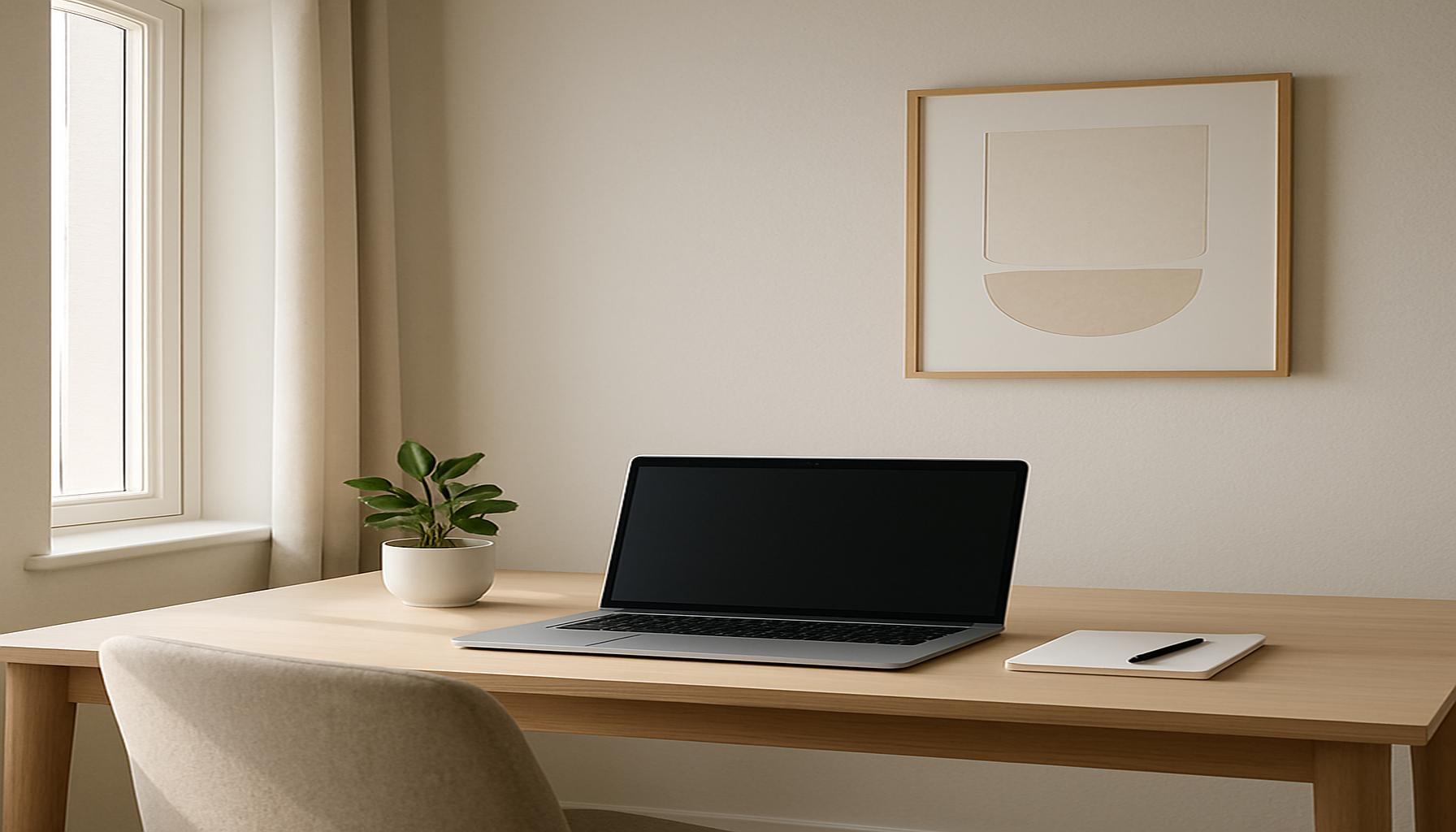
- Clean Surfaces: A decluttered desk encourages clear thinking. Studies show that having fewer items on a desk can lead to higher levels of concentration. An empty workspace allows individuals to focus better on tasks without visual distractions.
- Neutral Color Palettes: Calming tones reduce visual stress. Colors like soft blues, greys, and whites can create an inviting atmosphere conducive to productivity while avoiding overwhelming sensations often caused by bright, aggressive colors.
- Natural Light: Brightens spaces and boosts moods. Research has demonstrated that environments filled with natural light can enhance mood and energy levels, resulting in increased productivity and reduced fatigue.
Research shows that our surroundings can dictate our mood and efficiency. For instance, a study conducted by the University of Exeter revealed that employees in green offices—environments enriched with plants and natural light—were 15% more productive compared to those in traditional office settings. A minimalist approach isn’t just aesthetically pleasing—it can lead to:
- Higher Focus: Fewer distractions lead to better performance. In an era where multitasking is often glorified, a minimalist workspace encourages a single-minded approach, which is crucial for tackling complex tasks.
- Less Stress: Simplified environments promote relaxation. Knowing where everything is and having an organized space can alleviate the anxiety associated with clutter and disorganization.
- Improved Creativity: A clear mind fosters innovative thoughts. When one isn’t overwhelmed by visual noise, the mind is free to think expansively, often resulting in breakthrough ideas and enhanced problem-solving abilities.
To create your ideal workspace, understanding how environmental factors influence productivity is essential. Research by the American Society of Interior Designers has shown that offices that prioritize spaces reflecting minimalist values can reduce distractions and improve employee morale. As we delve deeper into the minimalist ethos, we may discover a transformative answer not just for our workspace, but also for our entire work experience.
Embracing minimalism isn’t merely about aesthetics; it’s a practical approach that encourages a dedicated focus on what truly matters. By stripping away the superfluous, individuals can unleash their full potential, turning any workspace into a citadel of creativity and productivity.
Designing Spaces That Inspire
The execution of a minimalist workspace goes beyond simply removing clutter; it is an intentional design philosophy that creates an atmosphere designed to inspire productivity. The physical environment plays a critical role in shaping our work habits and defining how effectively we engage with tasks throughout the day. In fact, the way a workspace is organized can transform mundane tasks into enjoyable pursuits, enhancing motivation in the process. To fully appreciate the impact of minimalism on productivity, one must examine key elements that shape our interaction with our surroundings.
Essentials of Minimalist Design
Critical to the success of a minimalist workspace is a focus on essential features that align with enhancing productivity. Here are several fundamental elements to consider:
- Functional Furniture: Choose furniture that balances aesthetics with function. Desks with clean lines and ergonomic chairs help maintain proper posture while reducing the distraction that can arise from uncomfortable seating. For example, standing desks have gained popularity as they promote movement and alertness throughout the workday.
- Digital Organization: In a world where technology reigns supreme, digital clutter can be as distracting as physical clutter. Implementing a minimalist approach in digital spaces—organizing files, utilizing cloud storage solutions, and minimizing software distractions—can streamline workflow and increase focus.
- Personal Touches: While minimizing distractions is essential, incorporating personal items can enhance creativity and emotional connection. A carefully chosen piece of artwork or a single plant can invigorate the atmosphere without overwhelming it, striking a balance between simplicity and inspiration.
Understanding the psychological implications of these elements is equally important. For instance, according to a 2021 study published in the Journal of Environmental Psychology, workspaces designed with minimal distractions significantly increased both task performance and overall satisfaction among employees. This suggests that minimalism’s benefits extend far beyond aesthetics, positively affecting mental health and work efficiency.
The Science Behind Minimalism
The principles of minimalism align with psychological concepts related to the cognitive load theory. This theory posits that the human brain has limited capacity for processing information, and excessive stimuli can lead to cognitive overload, reducing an individual’s ability to concentrate effectively. By maintaining a minimalist workspace, we can decrease cognitive load, facilitating a clearer thought process and more focused work.
Creating a minimalist workspace is akin to setting the stage for a performance; every element should serve a purpose and resonate with the intended atmosphere of productivity. As we further investigate how environments influence our mindset and efficiency, the profound effects of minimalist design might unveil solutions tailored for better work experiences.
The Impact of Minimalist Workspaces on Focus and Creativity
Creating minimalist workspaces significantly enhances focus and creativity, establishing an environment conducive to productivity. By embracing a clean and organized aesthetic, individuals can reduce distractions that often impede concentration. Clutter can evoke stress, making it difficult to maintain a clear mental space. A minimalist design helps eliminate this chaos, allowing the mind to focus solely on the task at hand.Furthermore, the layout of a workspace is crucial. Open spaces, complemented by natural light, provoke a sense of openness and tranquility. Numerous studies have shown that exposure to natural light boosts mood and energy levels, leading to increased productivity. Incorporating elements such as plants can also elevate the atmosphere. Not only do they purify the air, but they are also linked to improved mental well-being.This strong connection between environment and productivity cannot be overstated. Minimalist workspaces encourage efficient workflows. Without excessive decoration or unnecessary technology, employees are less likely to be overwhelmed. This simplicity invites creativity, allowing for innovative ideas to flourish. The ambiance created by a minimalist workspace fosters a balance crucial for both concentration and inventiveness, making it a vital consideration for designers and individuals alike.
Tips for Creating Your Minimalist Workspace
To implement a minimalist workspace, start by decluttering your desk. Only keep essential tools that aid in daily tasks. Opt for multi-functional furniture, which can save space without sacrificing style. Consider a neutral color palette that can promote a sense of calm and order.Also, invest in quality over quantity. A few well-chosen items can make a significant impact on your workspace aesthetics and functionality. Elements like ergonomic chairs or high-quality lighting fixtures can greatly enhance comfort and efficiency. Integrating these strategies can transform an ordinary workspace into a motivational haven, inspiring greater productivity while embracing the essence of minimalism. Allow your environment to influence your work habits positively, leading to successful outcomes.
The Role of Natural Elements
Another critical aspect of a minimalist workspace is the incorporation of natural elements, which have been proven to enhance productivity and well-being. A growing body of research indicates that access to nature, even in the form of indoor plants, can significantly impact our mental state. According to a study published in the journal HortTechnology, employees who worked in environments with greenery reported a 15% increase in productivity, alongside higher levels of job satisfaction and overall well-being. This suggests that a well-considered integration of nature can elevate not just aesthetic appeal but also functional productivity.
Biophilic Design
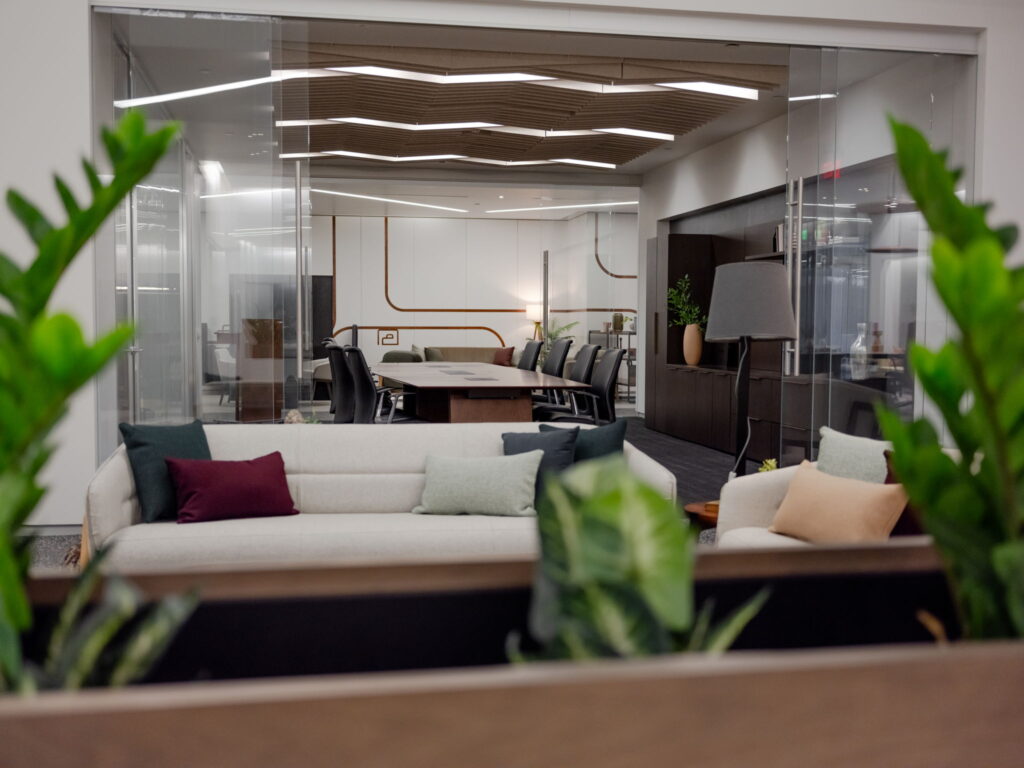
The concept of biophilic design is becoming increasingly relevant in the context of minimalist workspaces. Biophilia refers to the inherent human affinity for the natural world, an instinctual connection that can be harnessed in workplace design. Simple elements like natural light, water features, or the use of wood and stone can transform a workspace from a sterile environment into an invigorating retreat. Big brands like Google and Amazon have embraced this philosophy, integrating natural elements into their office spaces to improve creativity and collaboration.
Windows that allow for ample natural light can foster concentration while reducing fatigue. A study by the American Society of Interior Designers indicates that workers receiving an optimal amount of natural light experienced a notable 51% reduction in eye strain and headaches, leading to more focused work sessions. Furthermore, the infusion of bright colors inspired by nature can stimulate creativity, ensuring that spaces remain lively yet unobtrusive.
The Power of Space Planning
Effective space planning, another pillar of minimalist design, involves strategically organizing an area for maximum efficiency. Open layouts foster collaboration, while designated quiet zones allow for concentrated work. By clearly defining areas for specific tasks, employees can seamlessly transition between collaboration and independent work without the chaos often associated with traditional office environments.
Employers are increasingly recognizing the impact of well-planned spaces. For example, companies such as Steelcase have conducted extensive research, showing that appropriate space planning can improve engagement and productivity by as much as 36%. Productivity is not merely about the absence of distractions; it is achieved through a carefully orchestrated flow within the workspace that allows for both interaction and introspection.
Color Psychology in Minimalist Design
The choice of colors within a workspace also significantly contributes to productivity levels. Colors can evoke emotions and influence behavior in subtle yet powerful ways. For instance, hues like blue stimulate focus and creativity, while greens evoke calmness and balance. An article in the International Journal of Design emphasized that the right color palette can lead to an enhanced workplace atmosphere, optimizing the minimalist approach by aligning environment aesthetics with employee well-being.
Choosing an appropriate color scheme should be a thoughtful process, considering the tasks performed within the space. By limiting the color palette to a few essential shades, businesses can maintain the minimalist aesthetic while ensuring that the environment fosters productivity rather than distraction.
In summary, the integration of natural elements, careful space planning, and an understanding of color psychology collectively enrich the minimalist workspace experience. By recognizing the subtle yet profound ways that these aspects contribute to productivity, organizations can create environments that truly empower their employees.
Conclusion: Embracing an Intentional Workspace
In conclusion, the journey towards creating a minimalist workspace illuminates the critical interplay between environment and productivity. By carefully considering elements such as natural components, space planning, and the psychology of color, organizations can cultivate an atmosphere that not only enhances focus but also promotes overall well-being among employees. The integration of greenery, for instance, is not just a mere design choice; it is a powerful catalyst for increased productivity, as underscored by studies linking plant presence to a staggering 15% boost in performance.
Moreover, the principles of biophilic design advocate for an intrinsic connection with nature, proving that even simple modifications—like maximizing natural light or incorporating materials like wood—can transform an ordinary workspace into a dynamic hub of creativity and collaboration. With the evidence showing a remarkable 51% reduction in eye strain linked to proper lighting, it becomes evident that the nuances of design hold the potential to shape work experiences profoundly.
As employers continue to adopt these insights, the impact of effective space planning cannot be overstated. Open layouts with dedicated zones encourage seamless transitions between teamwork and individual focus, ultimately nurturing a balanced workflow. It is clear that the minimalist approach is not merely about aesthetics but encompasses a holistic enhancement of productivity.
As we advance in a fast-paced world, businesses must recognize the value of an intentional workspace characterized by simplicity and purpose. By fostering environments where clarity and inspiration thrive, organizations can unlock the true potential of their employees. As we embrace these principles, may we all find in our workspaces not just efficiency but a harmonious blend of productivity and well-being.
Related posts:
How Minimalism Can Increase Your Daily Productivity
How Minimalism Can Increase Your Daily Productivity
Creating a Minimalist Work Environment: The Impact on Focus and Creativity
The Importance of a Minimalist Workspace in Maximizing Concentration
Minimalism and Mental Health: How Fewer Things Can Lead to More Clarity and Focus
Minimalist Organization Strategies Reduce Stress Boost Focus

Linda Carter is a writer and organization expert specializing in minimalism and personal organization. With extensive experience helping individuals create clutter-free, functional spaces and adopt mindful habits, Linda shares her knowledge on our platform. Her goal is to empower readers with practical advice and strategies to simplify their lives, stay organized, and achieve a sense of calm and balance in their daily routines.