The Importance of Emotional Organization: How Minimalism Can Improve Your Well-Being at Home

Unlocking Well-Being Through Minimalism
In today’s fast-paced world, many individuals grapple with feelings of overwhelm and emotional clutter. The environment we create at home plays a crucial role in our mental health. Understanding emotional organization is essential to harnessing a sense of peace and purpose. The human mind often mirrors its surroundings; when our spaces are disorganized, our thoughts can become chaotic. A calming environment can dramatically uplift our mood and productivity.
Minimalism goes beyond a mere aesthetic choice; it can be a life-changing practice that influences various aspects of daily life. Adopting a minimalist lifestyle involves more than just decluttering physical items; it necessitates a deep reflection on what truly adds value to our lives. By simplifying your surroundings, you can reap numerous benefits, including:
- Reduced stress: A clutter-free space can lead to a clutter-free mind. For instance, individuals who regularly engage in decluttering note fewer feelings of anxiety and improved relaxation levels.
- Enhanced focus: Simplified environments allow for increased productivity. A research study from the Harvard Business Review indicates that environments with less clutter enable individuals to concentrate better, leading to higher work efficiency.
- Greater clarity: Minimalism fosters a clearer understanding of personal needs and values. Living with fewer possessions encourages individuals to prioritize experiences over material acquisitions, leading them to appreciate life more profoundly.
Research suggests that a minimalist lifestyle can significantly improve emotional well-being. Residents in the United States often find themselves battling the consequences of consumerism, resulting in excess possessions and emotional strain. Statistics from the American Psychological Association show that over 70% of Americans report feeling stressed about their cluttered homes. Embracing minimalism might just be the antidote to reclaiming clarity and calm.
As you embark on this journey of emotional organization, consider what truly matters in your living space. Start by evaluating your belongings and asking yourself if each item adds value to your life. Are you holding onto things out of obligation, or do they genuinely bring you joy? By letting go of the unnecessary, you create room for personal connection and space to breathe.
Are you ready to explore how adopting minimalism can transform your home into a sanctuary for mental well-being? Making mindful choices about what to keep and what to discard can lead to a more fulfilling life, free from the excess that can weigh us down.
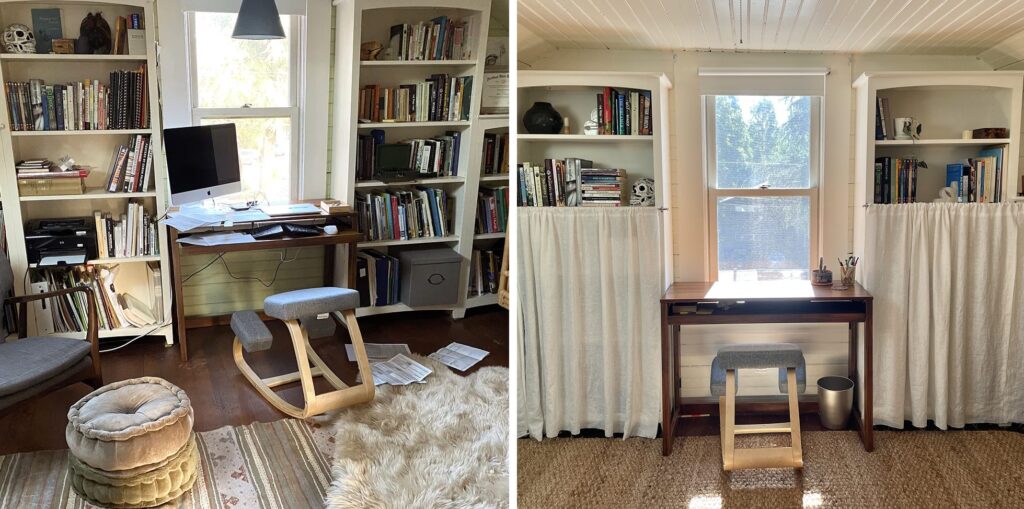
The Connection Between Clutter and Mental Health
Emotional organization is a concept gaining traction as we navigate the complexities of modern living. The spaces we inhabit can profoundly affect our mental state, and understanding this relationship is key to achieving well-being at home. The link between physical clutter and emotional turmoil is more than anecdotal; numerous studies have illustrated how an untidy environment can exacerbate feelings of anxiety and depression.
The phenomenon known as “environmental load” refers to the mental burden created by disordered spaces. This strain may lead to cognitive overload, making it challenging to concentrate or feel at ease. For example, a study published in the journal Emotion found that individuals surrounded by clutter reported increased levels of stress and had a more negative outlook on their lives. In stark contrast, those who engaged in minimalist practices experienced not only relief from emotional clutter but also enhanced clarity of thought.
Minimalism, often perceived as a lifestyle choice, lends itself to a profound approach to emotional organization. By intentionally reducing the number of possessions and distractions in our living spaces, we can cultivate environments that promote tranquility and mindfulness. Consider these compelling benefits of embracing minimalism within your home:
- Emotional Freedom: Reducing physical possessions can help eliminate the emotional weight associated with them. Letting go of items tied to guilt or obligation allows for a healthier emotional landscape.
- Improved Decision-Making: A lack of clutter can facilitate clearer thinking, making it easier to make decisions. This mental clarity can extend beyond just physical choices, influencing various life aspects.
- Mindful Living: Minimalism encourages individuals to be intentional in their actions and choices, leading to growth in emotional awareness and personal insight.
- Enhanced Well-Being: Research indicates that people who embrace minimalism report higher levels of happiness and satisfaction, highlighting the psychological benefits of reducing one’s possessions.
With over 80% of individuals in the U.S. reporting feelings of stress related to clutter, it’s evident that emotional organization is crucial. The sheer volume of items in homes today, often accumulated over years, can create barriers to achieving a peaceful state of mind. By tackling this excess, minimalism serves as a tool for redefining our environments and, consequently, our emotional health.
As you start considering the minimalist approach, reflect on the emotional responses your belongings elicit. Are there items that spark joy or affiliation? Or are you harboring sentimentality for things that serve no real purpose? This introspection is vital as you begin to curate a space that resonates with your values and emotional needs.
Understanding the importance of emotional organization is the first step towards harnessing the benefits of minimalism. Are you prepared to embrace a lifestyle where your home reflects your inner peace and clarity? The path to emotional organization might just lead to a sanctuary where well-being becomes a priority.
The Power of Emotional Organization
In our fast-paced world, emotional clutter can seep into our homes, affecting our mental clarity and overall well-being. Emotional organization plays a critical role in counteracting this clutter. It involves aligning our living spaces with our inner emotional states, fostering a sense of peace and balance. By embracing minimalism, we can curate our environments to reflect what we genuinely value, rather than what accumulates over time. A well-organized, minimalist space can significantly reduce stress. When we eliminate excess items that do not add value, we create Room for positive energy and genuine comfort. A clean and uncluttered home becomes a sanctuary, promoting relaxation and mindfulness. Additionally, this simplicity allows us to focus on meaningful connections with friends and family, rather than being distracted by the chaos around us.Moreover, adopting minimalism encourages us to make intentional choices about our belongings. Each item we retain should essentially contribute to our happiness and well-being. This intentionality not only supports emotional organization but also cultivates a greater appreciation for what we have, leading to satisfaction and contentment.Ultimately, the journey towards emotional organization through minimalism is a transformative experience. It empowers individuals to regain control over their environments and, in turn, their emotional states. As we strive for a well-organized life, we uncover new depths of clarity and purpose, significantly enhancing our quality of life.
| Category 1 | Category 2 |
|---|---|
| Mental Clarity | A minimalistic environment fosters peace and reduces distractions. |
| Reduced Stress | Clarity in your space creates clarity in your mind, enhancing emotional well-being. |
As we redefine our spaces through emotional organization, we pave the way towards holistic well-being, making minimalism not just an aesthetic choice, but a transformative lifestyle. Taking on this journey invites us to reevaluate what is essential in our lives and how we can cultivate environments that genuinely support our emotional health.
Transforming Your Space for Greater Clarity
Beyond simply reducing clutter, minimalism propels us towards a more intentional way of living that can transform our emotional health. This transformative process is not merely about getting rid of surplus items; it is about reshaping our very relationship with our environment. The benefits of a mindful home go far beyond aesthetics—they extend into the realm of how we feel, think, and interact with the world.
One compelling area of research highlights the psychological concept of environmental psychology, which studies the interplay between individuals and their surroundings. Findings in this field suggest that an organized space can lead to significantly lower levels of stress and increased productivity. For instance, a study published in the journal Environment and Behavior indicated that employees working in tidy settings demonstrated improved focus and were 15% more productive compared to those in cluttered environments. This phenomenon is equally applicable at home, where a serene space can enhance creativity and foster a sense of calm.
Color psychology also plays a role in creating an emotionally organized space. Research indicates that colors can evoke specific emotional responses. Soft blues and greens can impart tranquility, while vibrant yellows can evoke feelings of happiness. By intentionally selecting a color palette that reflects your emotional goals—whether that goal is serenity, cheerfulness, or motivation—you can further amplify the effects of minimal organization. Reducing excess distractions allows these colors to resonate, reinforcing the emotional atmosphere of your home.
Another significant aspect of emotional organization through minimalism is creating multifunctional spaces. In today’s smaller living environments, every square foot counts. By decluttering and consolidating possessions, individuals can create versatile areas for relaxation, work, and socialization. This flexibility not only maximizes functionality but also allows us to engage with our space more meaningfully. For example, transforming a corner of your living room into a cozy reading nook prompts you to carve out time for self-care amidst a busy schedule, enhancing your overall well-being.
A key tool for emotional organization is the practice of mindful decluttering. This means approaching your belongings with intention and contemplation. Michael S. F. Luke, a prominent organizational expert, advocates for the “Four-Box Method,” which involves categorizing items into boxes labeled: Keep, Donate, Trash, and Unsure. This systematic approach helps individuals confront their emotional attachments while making practical decisions about what truly matters. By engaging in this exercise, you can formalize your commitment to emotional organization, creating a personalized space that affirms your values and lifestyle.
Finally, the act of ritualizing spaces can provide a sense of purpose and community in a minimalist home. Take time to curate experiences in each area—perhaps your kitchen is not just a place for cooking, but a space for shared meals and family bonding. Surrounding yourself with items that celebrate relationships cultivates an emotional richness that a sparse environment alone cannot achieve. The result is an emotionally organized sanctuary that nurtures well-being, ensuring that minimalism serves as more than just a trend, but rather a profound lifestyle choice.
Embracing Minimalism for a Healthier Home
In conclusion, the journey toward emotional organization through minimalism offers a transformative path to enhancing your well-being at home. By consciously decluttering and creating a harmonious environment that supports mental clarity, we can significantly reduce stress and enhance our overall quality of life. This intentional approach to our living spaces not only fosters creativity and productivity but also nurtures our emotional connections with others.
As we’ve explored, principles from environmental psychology and color psychology illustrate the profound impact our surroundings have on our mental states. Moreover, the creation of multifunctional spaces allows us to adapt to our needs, making our homes more inviting and supportive. The practice of mindful decluttering, coupled with the ritualization of spaces, empowers us to cultivate an environment that reflects our values and aspirations.
As you embark on your minimalist journey, remember that the goal is not to shun all possessions, but rather to embrace only what brings you joy and serves a purpose. A minimalist home is more than just an organized space—it is a sanctuary that promotes emotional wellness, connection, and purposeful living. By prioritizing emotional organization, we can change our relationship with our environments, leading to a richer, more fulfilling existence. Take the first step today and discover how minimalism can truly enhance your well-being at home.
Related posts:
Digital Organization: Maintaining Minimalism in the Information Age
Creating a Minimalist Home Office: Tips for an Efficient and Organized Workspace
Organization of Closets: Tips for a Minimalist and Functional Wardrobe
The Art of Decluttering: Transform Your Home into a Minimalist Sanctuary
Multifunctional Furniture: Maximizing Space and Organization in a Minimalist Home
Functional Home Organization Boost Productivity Serenity Spaces

Linda Carter is a writer and organization expert specializing in minimalism and personal organization. With extensive experience helping individuals create clutter-free, functional spaces and adopt mindful habits, Linda shares her knowledge on our platform. Her goal is to empower readers with practical advice and strategies to simplify their lives, stay organized, and achieve a sense of calm and balance in their daily routines.