The Importance of Flexibility in Daily Routines: Minimalism and Adaptation
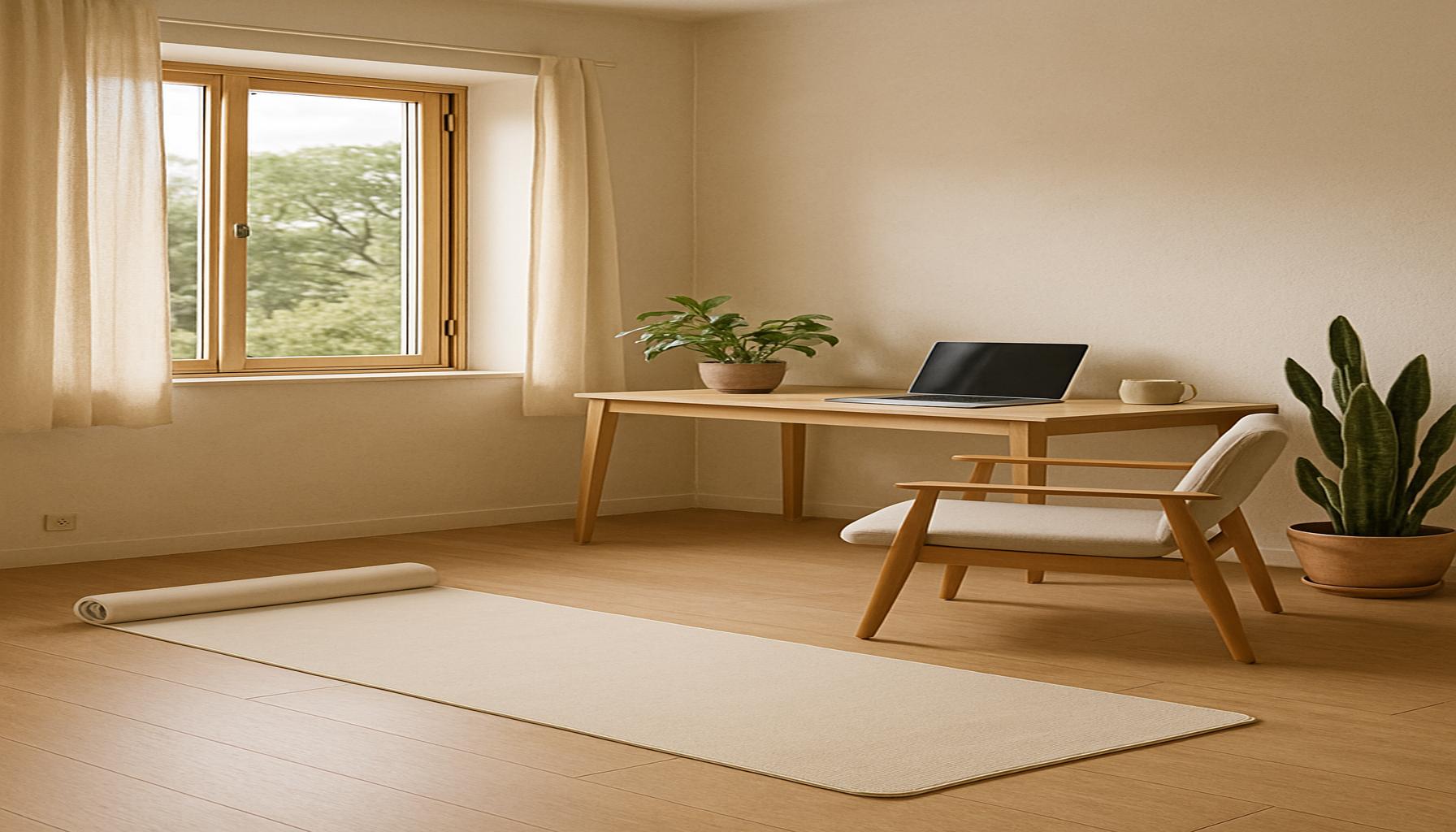
The Importance of Adaptability in Modern Life
In today’s society, where change is the only constant, the ability to be flexible can be transformative. People are increasingly realizing that incorporating flexibility into their daily routines is crucial, especially as they navigate the complexities of work, relationships, and personal aspirations. This concept resonates deeply with the principles of minimalism, which advocates for a lifestyle centered around simplicity and intentionality.
Flexibility serves several important functions in our lives. Firstly, it enables individuals to respond effectively to unexpected changes. For instance, consider the modern workplace filled with shifting deadlines and evolving project requirements. An employee who can adjust their schedule and priorities quickly is more likely to succeed and reduce workplace stress compared to one who rigidly adheres to a fixed plan. This adaptability not only fosters individual success but also nurtures a collaborative team environment that is responsive to challenges.
Moreover, fostering flexibility can significantly contribute to maintaining mental well-being. A rigid perspective often leads to feelings of frustration and anxiety when plans go awry. On the other hand, a flexible mindset allows one to see adjustments as opportunities for growth. For example, someone who planned a weekend getaway but must cancel due to unforeseen circumstances could pivot to an enjoyable staycation, exploring local attractions they might have overlooked.
Another benefit of incorporating flexibility into daily life is the ability to embrace new opportunities without feeling overwhelmed. Opportunities, whether they are personal, professional, or educational, often come unexpectedly. A flexible individual can seize these moments, allowing for a more enriched experience. Suppose a person receives a sudden job offer that requires relocation; the ability to weigh options and make necessary changes can lead to a significant leap in career advancement.
Minimalism, by design, promotes a simplified existence. By eliminating physical and mental clutter, it cultivates a space for adaptability. Those who practice minimalism often find themselves with more energy and time—resources they can allocate to nurturing flexibility in various aspects of their lives. This combination of minimalism and adaptability not only reinforces productivity but also enhances personal satisfaction.

Research indicates that routines which embrace flexibility are correlated with higher levels of happiness and fulfillment. For example, a study from the University of California revealed that adaptability leads to improved resilience among adults, enhancing their ability to manage stressful situations. Consequently, the journey through minimalism often unveils not merely a simpler lifestyle but one that is dynamic and adaptable.
In summary, making space for flexibility in one’s life isn’t just advantageous; it is becoming essential in a world characterized by rapid change. As individuals seek to cultivate both minimalism and adaptability, they can enjoy a sense of balance, promoting both personal growth and overall well-being.
Embracing Change: How Flexibility Enhances Daily Life
Flexibility is not just about physical adaptability; it permeates every facet of our daily lives, offering a framework through which individuals can thrive in unpredictable environments. With the rapidly evolving landscape of work, social relations, and technology, infusing flexibility into our routines becomes essential for lasting success and well-being. This adaptability serves as a guiding principle of minimalism, allowing individuals to strip away the unnecessary and focus on what truly matters.
Take, for instance, the phenomenon of technology-induced changes. With the rise of remote work and digital collaboration tools, traditional work schedules have shifted dramatically. This shift has influenced how people approach their day-to-day tasks. By adopting a more flexible routine, individuals can maximize productivity while allowing room for spontaneity. Instead of feeling bound by a strict schedule, a flexible worker might block out periods for focused work, while remaining open to impromptu meetings or creative brainstorming sessions.
Here are some ways adopting a flexible routine can manifest in daily life:
- Adjusting Work Hours: Instead of sticking rigidly to a 9-to-5 schedule, consider structuring your work hours around peak productivity times. This flexibility can lead to improved performance and satisfaction.
- Incorporating Breaks: Allow for unscheduled breaks to refresh and recharge. Physical movement, such as a walk or yoga stretch, can enhance focus and creativity when returning to tasks.
- Setting Weekly Goals: Instead of daily to-do lists, set broader weekly goals that can be tackled in varying orders. This approach acknowledges that not every day will unfold as planned.
- Being Open to Change: Whether it’s a last-minute invitation from friends or a new project that arises at work, maintaining a flexible mindset allows you to embrace these opportunities instead of resisting them.
Moreover, flexibility breeds a culture of innovation and creativity. When individuals feel liberated to explore alternative methods and solutions, it can lead to remarkable breakthroughs. In businesses where adaptability is encouraged, teams often report high morale, enhanced collaboration, and a willingness to embrace new challenges, resulting in a more dynamic work environment.
Beyond the workplace, adapting to change plays a pivotal role in personal relationships. A flexible approach can ease conflicts, allowing individuals to pivot their perspectives in the face of differing opinions or unexpected events. For instance, a couple planning a vacation may encounter unforeseen circumstances, such as a cancellation or change in destination. Instead of allowing these disruptions to derail their plans and create tension, embracing flexibility can open the door to new experiences, strengthening their bond.
Ultimately, the intertwining principles of flexibility and minimalism provide a roadmap for both personal and professional fulfillment in an unpredictable world. As we learn to rely on adaptable routines, we can cultivate resilience alongside a sense of purpose, paving the way for both growth and satisfaction in our daily lives.
The Power of Minimalism in Achieving Flexibility
Embracing a minimalist approach in daily routines is an essential step towards achieving greater flexibility. By eliminating unnecessary distractions and focusing on what truly matters, individuals can allocate their time and energy more efficiently. This concept aligns with the increasing trend towards mindful living, where the goal is to streamline one’s lifestyle to enhance productivity and mental well-being. For instance, decluttering physical spaces can lead to clearer thinking and improved decision-making, allowing for a more adaptable and responsive routine. Additionally, minimalism empowers individuals to prioritize their time, enabling them to engage in activities that resonate with their personal goals and values. This adaptability can lead to a deeper understanding of one’s needs, enhancing overall satisfaction and reducing stress.
Building Resilience Through Adaptation
The essence of flexibility lies in adaptation, which is critical in navigating life’s unpredictable challenges. Forming a strong foundation based on minimalist principles enables people to remain resilient when faced with sudden changes. By concentrating on essential tasks and responsibilities, individuals can foster a mindset that welcomes change rather than resists it.Moreover, fostering flexibility in daily routines encourages experimentation with new approaches. People can explore different methods of handling tasks, thereby enriching their experiences. This experimentation not only broadens perspectives but also aids in personal growth and development, ultimately enhancing one’s capacity to adapt.
Integrating Flexibility into Everyday Life
When integrating flexibility into daily life, one must recognize that routines should not be rigid but rather dynamic and responsive to current circumstances. For example, incorporating varied time slots for tasks allows for adjustments based on mood, energy levels, and unexpected events. The importance of flexibility in daily routines cannot be overstated; it provides a framework that accommodates change and promotes continuous progress. By intertwining minimalism with adaptability, individuals cultivate a lifestyle that aligns with their evolving aspirations, creating a fulfilling and well-rounded existence. The journey towards embracing flexibility is not merely about removing excess but rather inviting clarity and purpose into one’s life—all vital elements in achieving a truly balanced routine.
| Category | Key Features |
|---|---|
| Flexibility | Ability to adapt to changing conditions |
| Minimalism | Streamlining tasks for increased efficiency |
Flexibility and minimalism, when combined, become an influential approach to crafting daily routines that align with life’s unpredictable nature. Each individual’s journey can uncover profound personal insights and nurturing experiences when they commit to this philosophy.
Applying Flexibility: Real-Life Examples and Practical Tips
Flexibility in daily routines is not merely a theoretical concept; it translates directly into practical strategies that can enhance overall well-being. By adopting a flexible approach, individuals not only streamline their schedules but also nurture healthier relationships and foster an enriched sense of life satisfaction. The idea of minimalism plays a crucial role here, as it encourages us to shed excess commitments, thus allowing for more significant adaptability.
A compelling illustration of flexibility can be observed in the increasing trend of hybrid work models. Many companies across the United States, including tech giants like Microsoft and Facebook, have embraced hybrid formats that allow employees to alternate between office and remote work. This model showcases the importance of flexibility, promoting better work-life balance while accommodating personal commitments. For instance, parents can coordinate childcare needs with their work obligations more efficiently, leading to enhanced focus during work hours and increased family time.
Transitioning to a flexible routine isn’t just about where you work but also how you structure your day. Here are some practical tips that showcase the power of flexibility:
- Embrace Time Blocking: This approach allows you to allocate time segments for various tasks while leaving buffers for unexpected events. A simple example could be designating two hours for client calls while scheduling a one-hour block afterward for critical thinking and brainstorming.
- Utilize Technology Wisely: Leverage apps and digital tools that enhance your flexibility. For instance, project management applications like Trello or Asana can help you prioritize tasks without a fixed order, allowing dynamic adjustments based on changing responsibilities.
- Practice Intentional Downsizing: In alignment with minimalism, consider decluttering your schedule by reducing unnecessary commitments. For example, instead of attending every social event, prioritize those that truly resonate with your values or provide meaningful connections.
- Engage in Reflective Practices: Incorporate moments of reflection into your routine, whether through journaling or meditation. Carving out small segments to evaluate what’s working and where adjustment is necessary can lead to greater awareness and adaptability.
The realm of education also highlights the critical role of flexibility. Modern educational institutions have adopted varied teaching methods catering to diverse learning styles, particularly emphasizing online education and hybrid learning environments. Students who adapt their learning habits tend to experience greater success. For instance, a student may choose to attend lectures live, then review recorded sessions later, allowing for a tailored approach that enhances understanding while accommodating individual pace and preference.
As we cultivate flexibility in our daily routines, it’s important to recognize how deeply ingrained societal norms may initially challenge our efforts. In the United States, the traditional “grind” culture often romanticizes busyness, leading many to believe productivity equates to constant activity. By consciously resisting these norms and shifting toward a flexible mindset focused on adaptability and minimalism, individuals can redefine success on their own terms, gaining the freedom to explore and innovate.
As we further examine the benefits of flexibility, it becomes clear that integrating adaptable strategies into daily practices can lead not only to increased personal satisfaction but also to improved relationships, better stress management, and a heightened sense of purpose in our endeavors.
Conclusion: Embracing Flexibility for a More Fulfilling Life
In a constantly evolving world, the importance of flexibility in daily routines cannot be overstated. As we navigate the complexities of modern life, adapting our schedules and commitments through the lens of minimalism provides a pathway to deeper satisfaction and wellbeing. By prioritizing what truly matters and discarding unnecessary burdens, we create room for spontaneity and meaningful experiences.
Real-world applications of flexibility, such as hybrid work models and adaptable educational approaches, underscore its value in enhancing work-life balance and personal growth. Individuals are finding that a shift from rigid schedules to more fluid arrangements not only fosters creativity but also nurtures their relationships, improving their overall quality of life. Moreover, as we actively practice flexibility—be it through time blocking, embracing technology, or intentional downsizing—we learn to approach challenges from a place of empowerment rather than restriction.
Ultimately, embracing flexibility allows us to redefine our personal metrics of success. As we challenge the societal norms that glamorize busyness, we discover that true productivity can, in fact, stem from the ability to pivot and adapt. This newfound perspective encourages a lifestyle where balance is paramount, and fulfillment is derived from living intentionally. As we incorporate these principles into our daily lives, we position ourselves not only for personal success but for a community enriched by collective adaptability and understanding.
In conclusion, the fusion of minimalism and flexibility serves as a powerful catalyst for profound lifestyle changes, propelling us toward a future where well-being and satisfaction take precedence over perpetual hustle.
Related posts:
The Importance of Morning Rituals in Minimalist Personal Organization
Eliminating Waste: Tips for Creating a Minimalist Personal Care Routine
The Art of Simplifying: How Daily Rituals Can Increase Productivity in Minimalism
How simplicity in daily routines can increase productivity
Developing a Minimalist Work Routine to Increase Productivity
How to Simplify Your Daily Routines to Reduce Stress and Promote Well-Being

Linda Carter is a writer and organization expert specializing in minimalism and personal organization. With extensive experience helping individuals create clutter-free, functional spaces and adopt mindful habits, Linda shares her knowledge on our platform. Her goal is to empower readers with practical advice and strategies to simplify their lives, stay organized, and achieve a sense of calm and balance in their daily routines.