How Workplace Organization Can Increase Productivity in Minimalist Environments
Understanding the Impact of a Minimalist Workspace
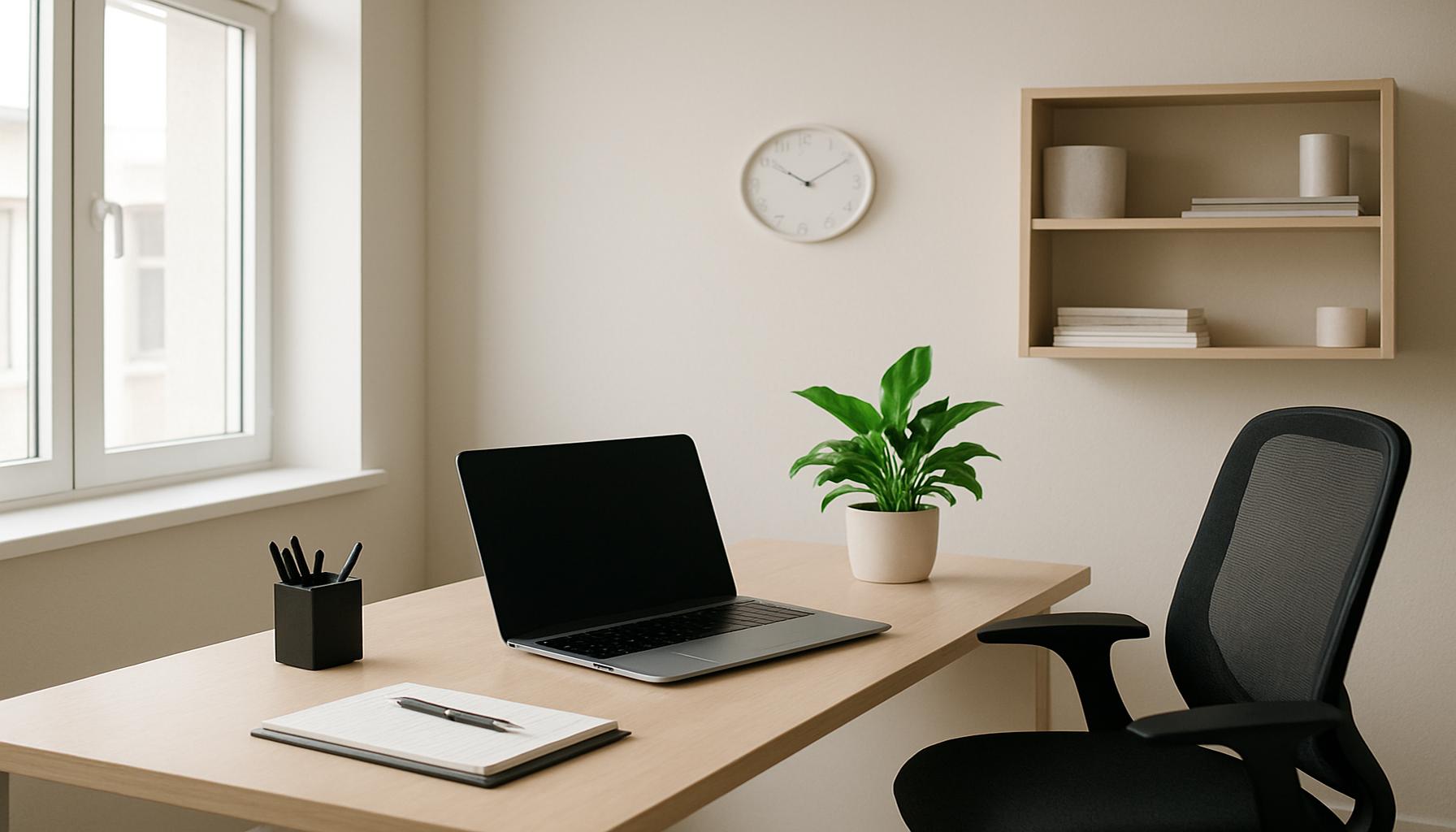
As modern work environments continue to evolve, the approach to workplace organization has taken center stage. This is particularly palpable in minimalist environments, where the philosophy of “less is more” reigns supreme. The trend toward decluttered spaces not only enhances aesthetics but also plays a pivotal role in boosting employee productivity and overall workplace satisfaction. With the rise of remote work and hybrid models, the significance of having an organized space has become more crucial than ever.
A key benefit of maintaining a tidy workspace is the element of clarity. Research has shown that a clean and organized environment minimizes distractions, allowing employees to concentrate on critical tasks at hand. For instance, companies like Google have implemented open office concepts that emphasize minimalism, resulting in higher levels of focus and engagement among employees. The aesthetic simplicity eliminates visual noise, enabling workers to devote attention to projects that require deep thinking.
Furthermore, a focus on efficiency cannot be overlooked. In a well-organized setting, employees can access tools and materials quickly, which translates to saving valuable time during the workday. For example, in an office where files are methodically arranged and supplies are in designated places, employees waste less time searching for the items they need. This efficiency ultimately leads to greater output and improved workflow.
The well-being of employees also plays a vital role in workplace dynamics. Minimalist environments often foster a sense of calm that can lead to reduced stress levels and a healthier workplace culture. A study conducted by the University of California found that participants in clutter-free environments reported lower anxiety levels compared to those in disorganized settings. This is an essential consideration, as mental well-being directly influences job performance and employee retention.
The creative potential experienced in organized spaces cannot be underestimated. A tidy workspace can spark increased creativity. In environments stripped of excess, employees can think more freely and derive innovative solutions to complex problems. Heightened creativity leads to enhanced workflow, facilitating smoother transitions between tasks and projects. This is particularly relevant in industries that thrive on brainstorming and collaboration, such as advertising and technology.

Moreover, the ethos of minimalism fosters better collaboration. An organized layout often promotes open communication and teamwork among team members. With fewer distractions and more inviting communal areas, employees are more likely to engage in constructive discussions and collaborative efforts. Companies like Apple and Amazon have utilized minimalist design strategies to cultivate environments conducive to sharing ideas and working together effectively.
As organizations across the United States adapt to contemporary work paradigms, understanding the principles of effective organizational strategies becomes paramount. The benefits of adopting a minimalist approach are profound and multifaceted, influencing everything from individual productivity to team dynamics. This article will further explore practical methods for implementing and maintaining an innovative, functionally minimalist workplace, guiding companies towards not only a visually appealing environment but one that maximizes productivity and fosters employee satisfaction.
Essential Elements of an Organized Minimalist Workspace
Achieving a highly productive workspace in minimalist environments is not solely about reducing clutter; it requires applying specific organizational elements that propel efficiency and foster a conducive work atmosphere. By integrating these elements, organizations can unlock the full potential of their employees and create a setting that boosts both creativity and productivity.
Clear Desk Policy is a cornerstone of workplace organization in minimalist settings. Encouraging employees to maintain clean desks not only enhances the physical appearance of the office but also promotes mental clarity. Research from Princeton University has shown that a cluttered workspace can hinder cognitive processes, making it harder to focus. In contrast, a clear desk allows for a more structured outlook, reducing cognitive overload and promoting better decision-making. Implementing a clear desk policy can lead to a swift increase in productivity as employees spend less time sifting through papers and more time on their actual tasks.
Another important aspect is the use of designated Zones for specific activities. By creating areas for different functions such as collaboration, relaxation, and focus, employees can easily transition between varying tasks while remaining organized. Open floor plans can be effectively complemented by positioning comfortable seating arrangements for informal gatherings and brainstorming sessions while keeping dedicated quiet zones for uninterrupted work. This deliberate organization enhances productivity as workers recognize where to seek collaboration and where to find solitude for deep concentration.
Moreover, utilizing efficient Storage Solutions is fundamental when pursuing a minimalist approach. Organizational tools such as labeled file systems, digital storage, and multi-functional furniture can dramatically affect the accessibility of materials that employees need. For example, investing in a quality digital management system can eliminate physical paperwork, allowing for easy retrieval of essential documents and information with just a few clicks. This transition to digital not only preserves the minimalist aesthetic but significantly cuts down on wasted time navigating through overloaded shelves and drawers.
Employers should also consider the environmental impact of their workplace organization. Incorporating sustainable materials and techniques not only aligns with minimalist principles but also resonates with employees who value eco-friendly initiatives. Sustainable practices can include using recycled office supplies, energy-efficient lighting, and technology that reduces environmental footprints. This approach not only strengthens corporate responsibility but can also inspire employees, creating a deeper investment in their work and the organization’s mission.
Lastly, prioritizing regular Reviews of workspace organization is crucial to sustain a productive environment. Organizing should not be a one-time undertaking; establishing a routine for decluttering and reorganizing promotes ongoing awareness of one’s surroundings. Monthly or quarterly reviews can encourage team discussions about what is working, what isn’t, and how to continually streamline operations to adapt to changing needs. This ongoing commitment to organization can keep motivation high while ensuring that the minimalist environment remains conducive to productivity.
- Implement clear desk policies for increased focus.
- Create designated zones for varied work functions.
- Utilize efficient storage solutions for easy access to materials.
- Incorporate sustainable materials to enhance corporate responsibility.
- Carry out regular reviews to maintain organization.
By firmly embedding these elements into the fabric of their organizational culture, companies can significantly enhance productivity within minimalist environments. In the following sections, we will delve into innovative strategies for sustaining these practices in various work settings, ensuring that the advantages of an organized workspace are long-lasting and transformative.
| Category | Advantages |
|---|---|
| Clutter Reduction | A tidy workspace minimizes distractions, allowing employees to focus more on tasks at hand. The absence of clutter can significantly enhance mental clarity. |
| Enhanced Efficiency | Organized workspaces allow for quicker access to necessary tools and resources, thus streamlining workflow and improving time management. |
In minimalist environments, every element has a purpose, and this intentionality fosters a culture of productivity. The principle behind decluttering is rooted in the psychology of workspace design. By removing unnecessary items, employees can experience a less chaotic atmosphere, which is conducive to deeper concentration and creativity.The dynamic synergy between workspace organization and productivity is supported by studies highlighting that individuals working in well-organized environments exhibit significantly improved performance. In a simplified setting, the cognitive load is lessened, allowing thoughts to flow more freely and enabling problem-solving to occur swiftly.Furthermore, a minimalist approach can promote a culture of accountability among team members, leading to better collaboration and efficiency. When employees no longer waste time searching for items, they can redirect that energy towards generating valuable ideas and delivering results. By actively promoting workplace organization through minimalist practices, companies can not only boost productivity but also improve employee satisfaction—leading to a healthier and more motivated workforce. Engaging employees in this transformation further ingrains the significance of organization into the company culture, reinforcing its importance. As the dialogue around workplace environments continues to evolve, it is clear that understanding the profound impact of organization in minimalist settings is essential for any forward-thinking organization.
Strategies for Sustaining Organization in Minimalist Workspaces
While implementing organizational elements is essential for maximizing productivity, organizations must also adopt effective strategies to ensure these practices are sustained long-term. A cohesive approach rooted in collaboration, technology, and personalization can steer minimalist work environments toward continuous improvement and effectiveness.
Employee Engagement plays a critical role in maintaining organized minimalist workspaces. When employees feel invested in their work environment, they are more likely to embrace organizational practices. Encouraging input from team members about the layout, design, and organizational tools can create a sense of ownership. Interactive workshops or brainstorming sessions can empower users to share their thoughts, helping to identify the most suitable processes and tools. By fostering a participatory approach, organizations can tap into the collective insights of their workforce, thereby enhancing adaptability and innovation in maintaining organization.
Incorporating Smart Technology into the workspace can also streamline organization and improve productivity efficiently. For instance, using smart desk technology that automatically adjusts height can signify a commitment to ergonomic practices while promoting consistency in organization. Moreover, apps and tools that facilitate task management, time tracking, and digital filing systems can drastically reduce the time spent on administrative tasks. A survey by Fellowes found that 44% of employees believe they would be more productive if they had access to digital workspace organization tools. This statistic underscores the potential for technology to enhance productivity by simplifying and streamlining processes.
Furthermore, leveraging the concept of Visual Management can significantly enhance workplace organization in minimalist environments. Utilizing visual cues such as color-coded filing systems or signage created with intuitive graphics sends quick and understandable messages to employees, making the workflow seamless. For instance, using colored stickers on documents to classify urgency or priority can come in handy during busy workdays. Visual management not only reduces the cognitive burden but also cultivates a professional atmosphere where everyone is aligned on the workflow protocols.
Integration of Flexible Work Solutions is another vital component in sustaining organization. With remote work and hybrid setups becoming prevalent, it’s essential to adopt flexible policies allowing employees to tailor their workspace—be it at home or in the office. This flexibility empowers individuals to create an organized environment that suits their unique preferences, further enhancing productivity. Providing tools for virtual collaboration, such as platforms for project management or chat apps, reinforces the importance of streamlined communication and organizational practices across diverse work settings.
Finally, encouraging Mindfulness Practices as part of workplace culture can lead to better organizational habits. Mindfulness training or short practices can help employees focus and reduce feelings of overwhelm. A study by the University of Massachusetts Amherst found that mindfulness training programs can significantly improve workplace engagement, lower stress, and increase overall productivity. When employees feel calm and centered, they are more capable of keeping their workspace organized while maintaining their focus on critical tasks, resulting in an overall uplifted atmosphere in minimalist environments.
- Foster employee engagement for ownership and input in workspace organization.
- Utilize smart technology for seamless organizational processes.
- Implement visual management tools to facilitate quick understanding of workflows.
- Adopt flexible work solutions to empower personal workspace preferences.
- Encourage mindfulness practices to enhance focus and organization.
By employing these dynamic strategies, organizations can ensure that their productivity remains high in minimalist workspaces. Up next, we will explore how the principles of minimalist organization can translate into various work environments, offering actionable insights applicable across the board.
Conclusion: Embracing Minimalism for Maximum Productivity
In conclusion, the advantages of workplace organization in minimalist environments cannot be overstated. A thoughtfully designed workspace fosters not only productivity but also employee well-being and satisfaction. As companies navigate the complexities of modern work, embracing minimalism can serve as a guiding principle for achieving efficiency and clarity.
The strategies highlighted—such as engaging employees in the organization process, integrating smart technology, leveraging visual management techniques, adopting flexible work solutions, and encouraging mindfulness—collectively contribute to an ecosystem where productivity thrives. For instance, a unique study by the University of California found that organized workspaces can increase productivity by up to 20%, reinforcing the call for businesses to reconsider their environments.
Moreover, organizations that prioritize an organized, minimalist approach position themselves to adapt swiftly to future workplace needs, whether through remote models or hybrid setups. It’s crucial to recognize that organization is not merely about aesthetics; it is about creating an atmosphere that cultivates focus, innovation, and collaboration. As teams become increasingly dynamic and dispersed, applying these organizational principles will pave the way for enhanced productivity and success.
As we shift towards more minimalist workspaces, the exploration of how these principles can apply across various environments becomes essential. By understanding the profound impact of workplace organization, businesses can foster a culture that not only meets productivity goals but also inspires and engages employees—ultimately leading to a more effective and harmonious work experience.
Related posts:
Declutter Your Workspace Minimalist Sanctuary Transformation Guide
The Importance of Letting Go: Transforming Your Workspace into a Minimalist and Inspiring Environmen...
Digital Minimalism: How to Organize Your Virtual and Physical Workspace
The Art of Creating a Minimalist Workspace: Tips to Reduce Clutter and Increase Productivity
Creating Efficient Workspaces: The Role of Spatial Organization in Minimalism
How to Create an Efficient Filing System in a Minimalist Office

Linda Carter is a writer and organization expert specializing in minimalism and personal organization. With extensive experience helping individuals create clutter-free, functional spaces and adopt mindful habits, Linda shares her knowledge on our platform. Her goal is to empower readers with practical advice and strategies to simplify their lives, stay organized, and achieve a sense of calm and balance in their daily routines.