Digital Minimalism: How to Organize Your Virtual and Physical Workspace
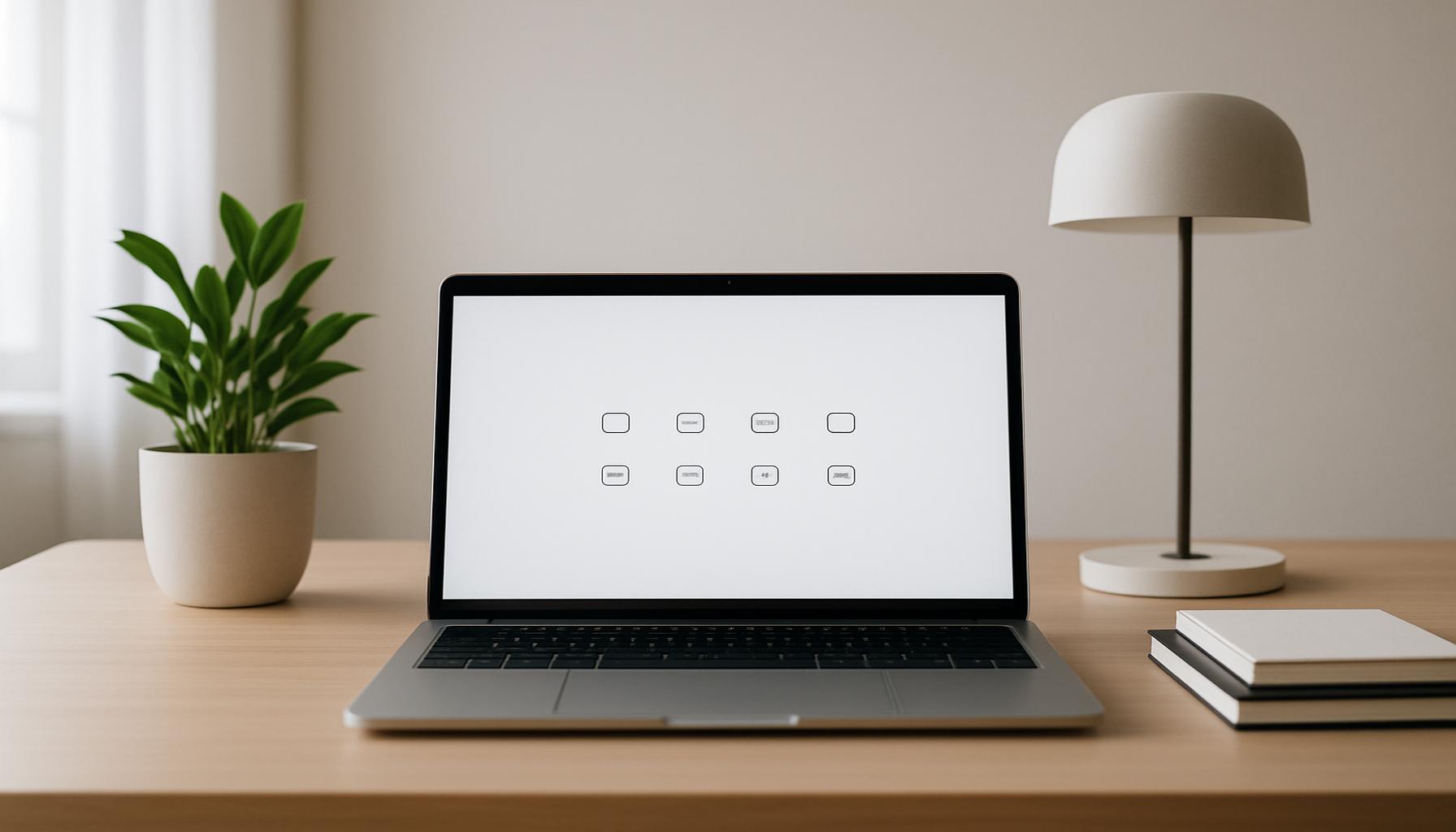
Embracing Digital Minimalism
In today’s fast-paced world, the overwhelming influx of information can feel suffocating. Our virtual and physical workspaces often reflect this chaos, cluttered with unnecessary distractions. The continual pings of emails, notifications from social media, and the sheer volume of online content can lead to cognitive overload, making it harder to focus on the tasks that truly matter. How can we reclaim our focus and improve productivity in such a hyper-connected environment?
The answer lies in adopting the principles of digital minimalism. This minimalist approach encourages us to streamline our environments, both online and offline, inviting clarity and purpose back into our lives. An effective way to start is by examining your daily habits and identifying areas that contribute to distraction. By prioritizing what truly adds value to our lives and eliminating the rest, we can create a sanctuary of focus.
Advantages of Digital Minimalism
Here’s how organizing your workspace can lead to significant benefits:
- Increased Productivity: A decluttered workspace helps maintain focus on essential tasks. Tasks that once seemed overwhelming can become manageable when the surrounding chaos is reduced. For instance, organizing your digital documents into labeled folders can decrease the time spent searching for files, allowing for more time spent on productive work.
- Reduced Stress: Cleaning up your digital tools, such as unsubscribing from unnecessary newsletters or limiting social media time, alleviates anxiety and fosters peace of mind. Studies have shown that environments characterized by clutter can lead to increased cortisol levels, which can contribute to stress. Embracing digital minimalism can be an antidote to this modern ailment.
- Enhanced Creativity: A neat environment sparks innovative thinking and problem-solving. Creative minds often thrive when they can think freely, unencumbered by excess. A streamlined digital presence allows for easier idea generation, collaboration, and execution, as focus shifts from navigating clutter to pursuing creativity.
Deep Diving into Digital Minimalism
Digital minimalism is about more than just physical organization; it encompasses a lifestyle choice that promotes intentional interactions with technology. As we dissect this concept, we will explore:
- The importance of setting boundaries with technology to cultivate healthier habits.
- Effective strategies for organizing digital files, such as utilizing cloud storage options like Google Drive or Dropbox to keep everything safe yet accessible.
- Practical tips for decluttering your workspace, whether it’s your home office or workplace cubicle, which can include using organizers, cleaning your desk weekly, or simply keeping only the essentials in view.
- The impact of a minimalist approach on mental clarity, which can lead to improved decision-making and overall well-being.
Join us on a journey to simplify your surroundings and discover the profound benefits of digital minimalism. Simplifying your environment is not just an organizational endeavor; it is a conscious lifestyle choice that paves the way for a more focused, creative, and productive tomorrow. As you embark on this quest, consider the changes you can make today for a healthier relationship with your digital life.

The Foundations of Digital Minimalism
To truly embrace digital minimalism, one must understand its fundamental principles and how they apply to both virtual and physical workspaces. This ethos promotes the idea of ‘less is more,’ urging individuals to eliminate distractions and focus on what genuinely enhances their productivity and well-being. By adopting these strategies, you can transform your surroundings into environments that foster concentration and creativity rather than chaos.
The first step in this journey is to conduct a thorough assessment of your current workspace. Ask yourself: What items, applications, or tools do I use regularly, and which ones serve merely as distractions? This process of introspection allows you to start identifying the essentials for your daily tasks while weeding out the superfluous. Consider making two lists: one for must-haves and another for items or apps that could be eliminated from your routine.
Establishing Boundaries with Technology
One prominent aspect of digital minimalism is the establishment of clear boundaries regarding technology use. Digital tools, though incredibly useful, can become sources of constant distraction if not managed effectively. Over time, habitual checking of notifications has conditioned us to respond immediately to every alert, pulling our focus away from critical tasks. To combat this, consider implementing specific rules for your tech usage:
- Set designated times for checking emails and messages: Restricting this to certain periods during the day can minimize disruptions and improve concentration.
- Limit social media exposure: Determine how much time you want to spend on these platforms, and set time limits using apps designed to help monitor and manage screen time.
- Declutter your device: Regularly review and uninstall apps that do not serve a clear purpose in your work life or personal development.
By creating these boundaries, you will find that your attention can shift back to the tasks at hand, significantly enhancing your productivity. Furthermore, fewer distractions cultivate a deeper sense of engagement with each task, leading to a more satisfying work experience.
Organizing Digital Files for Efficiency
Once you have established boundaries, it’s time to tackle the clutter in your digital spaces. Digital files can quickly become overwhelming, with an estimated 70% of people reporting difficulty finding necessary documents. To streamline this process, consider these effective strategies for organizing your digital workspace:
- Create a folder hierarchy: Develop a logical structure that categorizes files based on projects, clients, or themes, making it easier to locate documents when needed.
- Utilize cloud storage services: Platforms such as Google Drive, Dropbox, or OneDrive not only offer accessibility but also allow for easy sharing and collaboration on important documents.
- Implement consistent naming conventions: Establish a uniform naming system for your files to help quickly identify their contents and reduce time spent searching.
Mastering your digital organization is not just about creating space; it is about fostering an environment that aligns with your goals and aspirations. By implementing these strategies, you’ll be on your way to achieving a more focused and productive workspace—physically and digitally.
| Advantage | Description |
|---|---|
| Enhanced Focus | By decluttering both your virtual and physical workspace, you minimize distractions, leading to improved concentration on tasks. |
| Increased Efficiency | Organizing your tools and resources allows for quicker access to necessary items, enhancing productivity in your work processes. |
Embracing the principles of digital minimalism can significantly transform how you approach your workspace. One of the foremost advantages, enhanced focus, arises from the deliberate act of decluttering. By reducing the number of items, both tangible and digital, vying for your attention, you create an environment that fosters clarity and deep work. In turn, this paves the way for improved mental clarity and creativity, helping you tackle complex problems with greater ease.Moreover, an increased efficiency becomes evident as you reorganize. Streamlining your digital files, emails, and physical items leads to faster access and reduced time spent searching for information. With everything in its place, your workflow becomes smoother, allowing you to dedicate more time to what truly matters. As you implement strategies of digital minimalism, you may find yourself working smarter rather than harder, unlocking new levels of productivity that can transform your professional environment. These principles not only contribute to a more aesthetic workspace but also significantly impact your mental state and work performance, inviting you to explore further the myriad benefits that come with adopting a minimalist approach.
Creating a Physical Workspace that Inspires
While digital minimalism focuses on organizing our virtual environments, physical minimalism is equally important in cultivating a productive workspace. The physical setup of your workspace can significantly impact your mental clarity and focus. Just as cluttered digital files can hinder productivity, a disorganized physical workspace can create a sense of chaos that distracts from achieving your goals. To create an inspiring physical workspace, follow these essential steps:
Designing Your Physical Environment
Your physical environment should reflect a sense of calm and order. Start by decluttering your workspace—remove any items that do not serve a purpose in your daily tasks. Research has shown that a tidy workspace can improve focus and creativity. Consider these practical tips to help design an engaging workspace:
- Evaluate the layout: Ensure that your desk is ergonomically set up. Your computer screen should be at eye level, and your chair should provide adequate support. Natural light can also reduce eye strain and improve mood, so try to position your desk near a window if possible.
- Incorporate plants: Adding greenery can enhance the ambiance of your workspace while promoting relaxation and reducing stress. Studies have indicated that indoor plants can improve air quality and increase overall productivity.
- Utilize multifunctional furniture: In smaller spaces, consider furniture that serves multiple purposes, such as an ottoman with storage or a desk with built-in shelves. This minimizes clutter while maximizing functionality.
Establishing Routines for Productivity
To reinforce a sense of order both in your physical and virtual environments, establishing consistent daily routines is essential. Repetitive actions not only develop habits but also create a psychological association with productivity. Implement the following routines to enhance your workflow:
- Start with a clean slate: Begin each workday by tidying your physical space. Set aside a few minutes to organize your desk and review your digital files before diving into tasks.
- Prioritize tasks: Utilize the Eisenhower Box, a decision-making tool that helps you prioritize tasks based on urgency and importance. This method allows you to filter distractions while focusing on high-impact activities.
- Schedule breaks effectively: Productive work requires breaks to recharge. Consider the Pomodoro Technique, which suggests working for 25 minutes, followed by a five-minute break, increasing focus and efficiency throughout your day.
Mindfulness Practices to Enhance Focus
Incorporating mindfulness practices into your workspace can further enrich your digital minimalism journey. By fostering awareness of your surroundings and mental states, mindfulness can help create a more intentional workspace. Here are some techniques to consider:
- Daily meditation: Starting your day with even five minutes of meditation can clear your mind, setting a calm tone for the day ahead. Apps like Headspace and Calm offer guided sessions suitable for beginners.
- Intentional breaks: Instead of scrolling through your phone during breaks, engage in mindful activities, such as stretching or a short walk. This allows your mind to reset and process information more effectively.
- Gratitude journaling: A practice that encourages you to reflect on what you appreciate about your work or workspace can shift your focus from negativity to positivity, creating a more productive atmosphere.
By integrating these principles of physical minimalism and mindfulness into your workspace, you can foster a more enriching environment that promotes focus and creativity. This holistic approach to organizing both virtual and physical spaces will empower you to embrace the essence of digital minimalism, ultimately leading to greater productivity and fulfillment in your work life.
Conclusion: Embracing Digital Minimalism for a Streamlined Workspace
In a world where distractions are merely a click away, embracing digital minimalism is not just a trend but a necessary strategy for cultivating a focused and productive workspace. By taking deliberate steps to organize both your virtual and physical environments, you pave the way for improved mental clarity and a sense of accomplishment. The integration of decluttering techniques, ergonomic design, and mindful practices not only enhances your productivity but also nurtures creativity.
As you reflect on the principles we’ve discussed, consider how these strategies can become a part of your daily routine. From maintaining a tidy workspace to incorporating mindfulness techniques, each action contributes toward building a harmonious atmosphere conducive to work and personal growth. Additionally, allocating time to prioritize tasks and establish consistent routines is essential for turning those initial changes into lasting habits.
Ultimately, the journey towards digital minimalism is a personal one. Each of us must tailor our workspace to meet our individual needs, preferences, and workflows. As you take the first steps in this journey, remember that the goal is not perfection but progress. By continually evaluating and refining your workspace, you’ll find new opportunities for productivity, creativity, and overall satisfaction in your work life. So, dive deeper into the art of minimalism, and transform your environment into a sanctuary of focus and inspiration.
Related posts:
The Importance of Letting Go: Transforming Your Workspace into a Minimalist and Inspiring Environmen...
The Influence of Colors and Lighting on Organization and Productivity in Minimalist Work Environment...
The Art of Creating a Minimalist Workspace: Tips to Reduce Clutter and Increase Productivity
Minimalist Office Organization Strategies to Reduce Clutter and Stress
Organization of the Work Space: How to Implement Minimalism to Achieve a Balance between Aesthetics ...
Digital Organization Tips to Enhance a Minimalist Workspace

Linda Carter is a writer and organization expert specializing in minimalism and personal organization. With extensive experience helping individuals create clutter-free, functional spaces and adopt mindful habits, Linda shares her knowledge on our platform. Her goal is to empower readers with practical advice and strategies to simplify their lives, stay organized, and achieve a sense of calm and balance in their daily routines.