Creating Efficient Workspaces: The Role of Spatial Organization in Minimalism
Understanding the Impact of Workspace Design
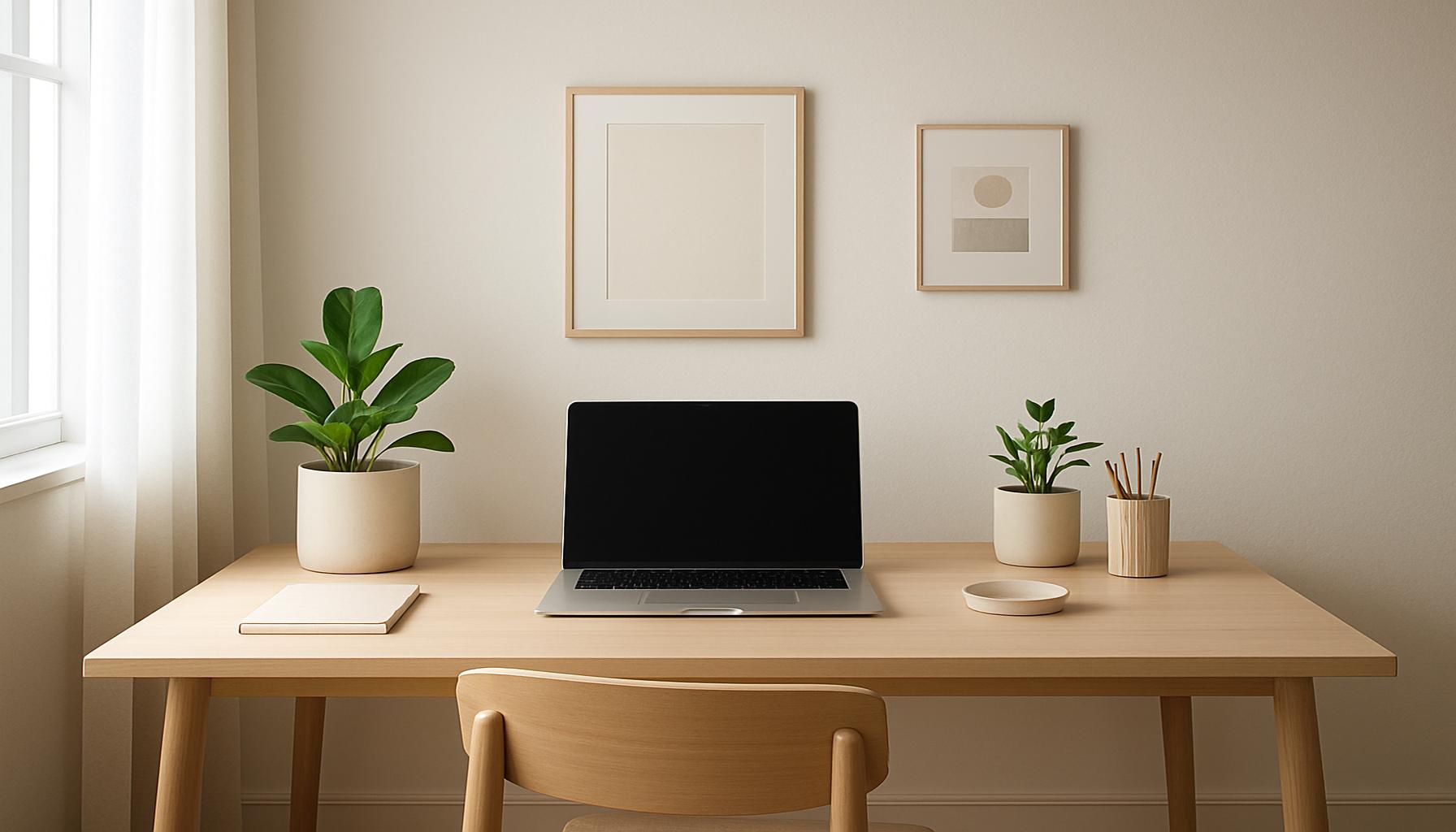
In an age where the boundaries between work and personal life are increasingly blurred, the design of our workspaces plays a crucial role in enhancing both productivity and overall well-being. Achieving efficiency through spatial organization is not merely a trend; it is a fundamental necessity for thriving in today’s professional landscape. The minimalist approach, which champions the idea of creating uncluttered spaces, offers a solution that not only aids in maintaining focus but also stimulates creativity.
The Core Principles of Minimalism
Minimalism is built on a few key principles that can dramatically transform any workspace:
- Decluttering: This is not just about cleaning up; it involves critically assessing every item in your workspace and determining its value. Items that do not serve a clear purpose create distractions and hinder productivity. For instance, consider the effectiveness of having a single well-organized desk rather than one piled high with papers and projects.
- Functionality: Each piece of furniture should contribute to a purpose in the workspace. Innovative designs, such as standing desks or collaborative desks, promote movement and interaction, supporting a more dynamic work environment. These pieces can be particularly beneficial for remote workers or those in open-office settings.
- Natural Light: Research shows that exposure to natural light significantly enhances mood and focus. Positioning desks by windows or incorporating large glass walls can create bright environments that energize employees. This can be seen in many modern offices where design prioritizes sunlight to combat the dreariness of artificial lighting.
The Benefits of Minimalism in the Workspace
Implementing these minimalist principles can yield notable improvements across various facets of work life:
- Increased Focus: A clean and open workspace minimizes distractions that can easily derail concentration. For example, studies demonstrate that individuals working in cluttered environments are more prone to stress and distraction compared to those working in organized settings.
- Enhanced Creativity: By fostering an open space, employees can engage in spontaneous brainstorming sessions, which are vital for innovation. Companies like Google and Apple have successfully designed their workspaces to promote collaborative space, propelling creativity through their multidimensional designs.
- Better Well-Being: An organized workspace reduces mental clutter, which has been linked to anxiety and stress. Evidence suggests that workplaces incorporating plants or natural materials further promote emotional wellness, creating spaces that are not only functional but also soothing.
Understanding the significance of spatial organization in the realm of minimalism is pivotal in crafting a workspace that champions both aesthetics and performance. As we reflect on the intersection of these design elements, we uncover how intentional decisions around our work environments can significantly shape our professional experiences. For anyone looking to enhance their workspace and elevate their productivity, embracing minimalism could very well be the catalyst to a more fulfilling work life.
The Connection Between Spatial Organization and Productivity
In the quest for optimal performance, it is essential to consider how spatial organization directly correlates to productivity within the workspace. A minimalist approach emphasizes a systematic arrangement of elements that encourages functionality over clutter. By breaking down workspace design into actionable steps, organizations can enhance employee output and satisfaction.
Redefining Workspace Layout
One of the foundational aspects of spatial organization is the layout of the workspace itself. Traditional office cubicles often lead to feelings of confinement, while a well-thought-out layout promotes a sense of openness and collaboration. Here are a few strategies to redefine workspace layout effectively:
- Open-Concept Workspaces: An open layout encourages teamwork and communication among employees. Removing physical barriers allows for easier interaction and fosters innovative collaboration, echoing successful designs from companies like Facebook and Slack.
- Flexible Zones: Create designated areas for different activities, such as quiet zones for focused work and collaborative spaces for group projects. This separation helps maintain productivity while accommodating various working styles.
- Ergonomics: Ensure that the workspace layout incorporates ergonomic furniture designed to enhance comfort. This not only minimizes physical strain but also boosts productivity as employees are less likely to be distracted by discomfort.
Color and Material Selection
Another critical element in the spatial organization of a minimalist workspace is the choice of color and materials. Studies suggest that colors can profoundly affect mood and productivity. For instance, hues such as blue and green are known to promote calmness and creativity, making them ideal for brainstorming areas. On the other hand, incorporating natural materials like wood or stone can establish a soothing atmosphere that enhances overall well-being.
Furthermore, integrating sustainable materials not only reflects a commitment to environmental responsibility but also speaks to the growing trend of green office spaces. The use of recycled or upcycled materials in furniture design aligns with minimalist principles while creating an aesthetic that is both modern and mindful. Such conscious choices contribute significantly to the ambiance of the workspace, impacting how employees feel and function throughout the day.
Ultimately, understanding that spatial organization within the framework of minimalism is about creating a harmonious balance in the workspace. As companies in the United States continue to adapt to evolving work environments, prioritizing an organized and mindful approach can culminate in a thriving and dynamic workplace. Whether you are a manager looking to reimagine an existing office or an individual working from home, the application of these principles can unlock new levels of efficiency and satisfaction.
Understanding the Dynamics of Spatial Organization
To fully grasp the transformative potential of spatial organization, it is crucial to analyze the dynamics at play within a minimalist workspace. The concept extends beyond mere aesthetics; it encompasses functionality, productivity, and the overall well-being of the user. A well-organized space aids in minimizing distractions, allowing individuals to delve deeper into their tasks without unnecessary interruptions. Research suggests that individuals working in decluttered environments tend to experience less stress, which can lead to enhanced creativity and focus.Moreover, spatial organization fosters collaboration among team members. By designing spaces that promote interaction, such as open layouts and common areas, companies can break down traditional hierarchies and encourage spontaneous brainstorming sessions. This, in turn, fuels innovation and drives engagement, ultimately benefiting the organization as a whole.When considering the role of technology in these workspaces, it is essential to integrate smart solutions that support minimalism. For instance, the use of cloud storage instead of physical files can drastically cut down on clutter, making it easier for employees to access documents without the hassle of sifting through stacks of papers. UiPath’s latest statistics indicate that businesses adopting such digital solutions report a 25% increase in workplace efficiency.
Implementing Minimalist Principles in Workspace Design
To effectively implement minimalist principles, organizations need to begin with a clear understanding of their specific needs. Conducting audits of the current workspace to identify underutilized areas or redundant furniture can inform decisions moving forward. By investing in multifunctional furniture and storage solutions, companies can maximize the utility of their spaces while maintaining a clean aesthetic.Moreover, the color scheme and lighting within a workspace should not be underestimated. Neutral tones combined with adequate natural light can create an inviting atmosphere that promotes productivity. Elements such as plants can also play a vital role in improving air quality and adding a touch of tranquility, merging functionality with the principles of minimalism.As we delve further into the application of spatial organization within minimalism, it becomes evident that this approach is not merely a trend but a lasting shift in how we conceive our work environments. Discovering how to harness the power of these principles can lead to enhanced productivity, a more harmonious work atmosphere, and ultimately, more significant level of success.
Functional Zoning: A Key to Spatial Efficiency
The concept of functional zoning plays a pivotal role in effective spatial organization. By strategically segmenting the workspace based on specific functions, organizations can foster a more intuitive and productive environment. This methodology is grounded in the understanding that different tasks require varying degrees of focus and collaboration, and the arrangement of spaces should reflect these needs.
Task-Specific Areas
When designing workspaces, it’s vital to create task-specific areas that cater to distinct modes of work. For example, a design firm may benefit from a vibrant brainstorming area, outfitted with whiteboards and movable furniture. This zone allows for creative discussions and rapid prototyping, essential for imaginative projects. On the other hand, a consulting firm might prioritize quiet workspaces equipped with soundproofing materials to facilitate deep, focused analysis.
Incorporating sound-reducing partitions and technology-enhanced collaboration tools in these zones can drastically change the way employees interact with their environments. According to a study by the Harvard Business Review, workplaces designed with focused zones showed a 20% increase in productivity among employees, demonstrating the tangible benefits of tailored spatial organization.
Incorporating Technology
In the modern workspace, the integration of technology into spatial organization cannot be overlooked. Smart technology solutions, such as automated lighting and climate control, can adjust to the current needs of the workspace, ensuring that employees remain comfortable and productive. For example, motion sensor lighting can save energy while providing optimal illumination when a space is occupied.
Additionally, using digital tools to control and manage space is becoming increasingly popular. Companies like WeWork have pioneered mobile apps that allow users to reserve meeting rooms and adjust lighting and temperature settings from their devices. This level of flexibility enhances the work experience by placing control in the hands of individual employees, which aligns seamlessly with minimalist principles of autonomy and efficiency.
Green Spaces: Nature in the Workplace
The integration of nature into workspace design is an emerging trend that reflects a broader shift towards sustainable design and the well-being of employees. Incorporating plants and living walls can improve air quality and reduce stress levels, promoting greater productivity. A study conducted by researchers at the University of Queensland found that simply adding greenery to office environments can boost productivity by up to 15%.
Moreover, designing outdoor areas or rooftop gardens where employees can take breaks or hold informal meetings supports mental well-being. These spaces serve as a rejuvenating escape that enhances creativity and reduces burnout, essential considerations in today’s fast-paced work culture. Companies like Amazon have adopted such initiatives in their offices, recognizing the importance of a pleasant and connected environment.
As the nature of work continues to evolve, the link between spatial organization and efficiency in the workplace will only grow stronger. The progressive application of these minimalist principles can lead to innovative environments that not only enhance productivity but also reflect a company’s values and culture. By championing thoughtful workspace design, organizations can inspire employees to thrive in their respective roles.
Conclusion: Embracing Minimalism for Maximum Efficiency
In a rapidly changing work environment, the need for efficient workspaces is more critical than ever. The principles of minimalism offer a compelling framework for spatial organization that enhances productivity and promotes employee well-being. By implementing strategies such as functional zoning, organizations can create dynamic spaces tailored to various work styles—be it collaborative brainstorming zones or focused individual areas. As evidenced by recent studies, thoughtfully designed workspaces can lead to significant productivity gains, with some reporting improvements of over 20%.
The integration of modern technology further complements minimalistic design, enabling employees to interact with their environment in a seamless and adaptable manner. Automated systems that adjust to individual preferences not only fortify comfort but also reinforce a sense of autonomy—a vital factor in driving engagement. Moreover, the incorporation of green spaces speaks to the holistic approach necessary for today’s workforce, creating a more inviting atmosphere that fosters innovation and mitigates stress levels.
As companies across the United States embrace these concepts, the emphasis on spatial organization as a catalyst for workplace efficiency will likely become increasingly pronounced. Organizations stand to benefit not only from enhanced productivity but also from cultivating a culture that values employee satisfaction and sustainability. In this ongoing evolution, those who prioritize a minimalist approach to workspace design may find themselves leading the way in attracting and retaining top talent—an essential advantage in the competitive landscape of modern business.
Related posts:
Declutter Your Workspace Minimalist Sanctuary Transformation Guide
Minimalist Office Organization Strategies to Reduce Clutter and Stress
The Influence of Colors and Lighting on Organization and Productivity in Minimalist Work Environment...
How Workplace Organization Can Increase Productivity in Minimalist Environments
The Art of Organizing: Minimalist Tools and Techniques for a Calmer Office
Home Office Organization Strategies: Keeping Simplicity and Functionality

Linda Carter is a writer and organization expert specializing in minimalism and personal organization. With extensive experience helping individuals create clutter-free, functional spaces and adopt mindful habits, Linda shares her knowledge on our platform. Her goal is to empower readers with practical advice and strategies to simplify their lives, stay organized, and achieve a sense of calm and balance in their daily routines.