The Art of Organizing: Minimalist Tools and Techniques for a Calmer Office
Creating an Ideal Workspace for Maximum Efficiency
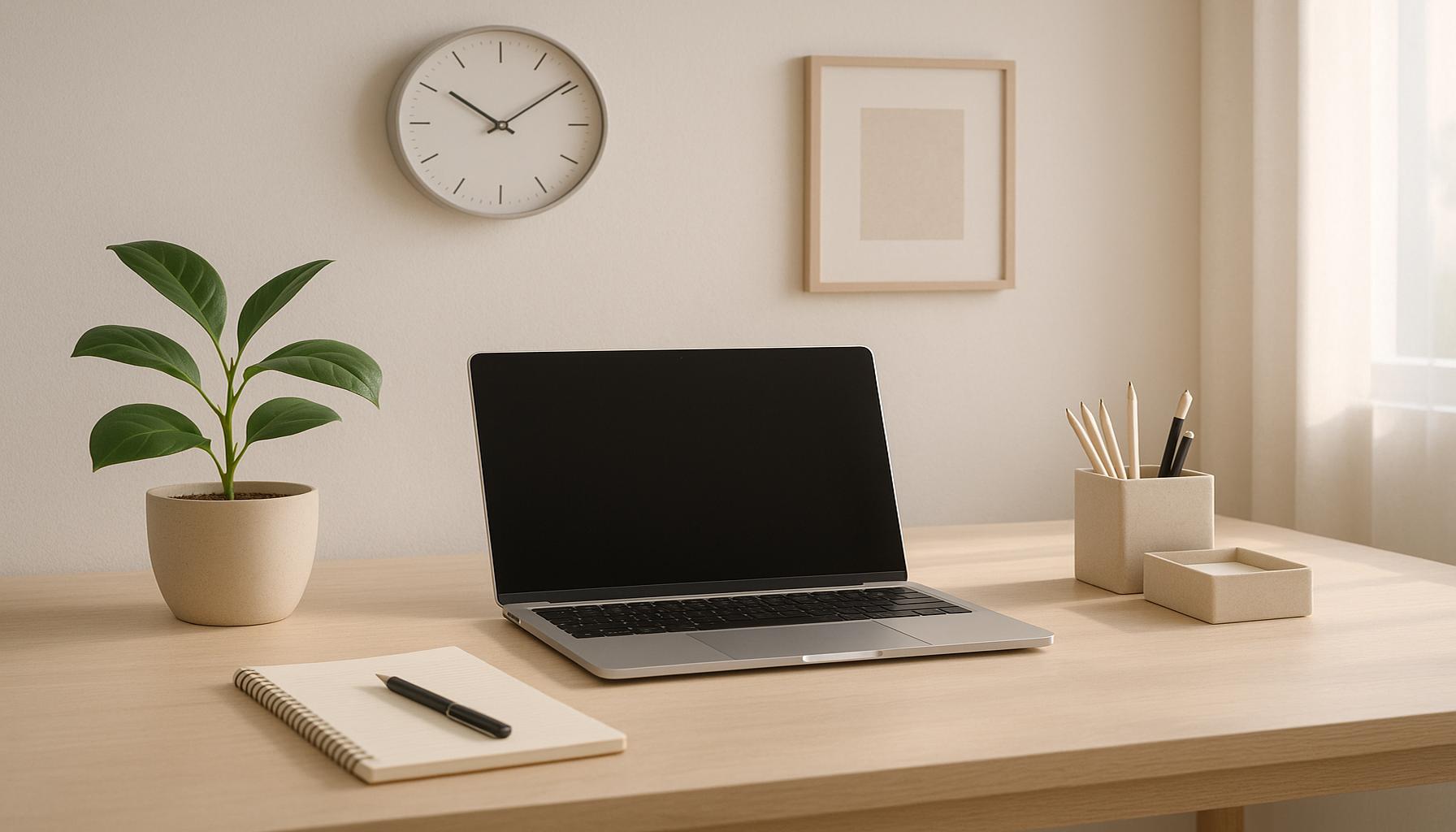
In an era where remote work and hybrid models have become the norm, the state of your workspace can significantly influence your productivity. A disorganized desk often leads to distractions and inhibits your ability to think clearly. By adopting a minimalist approach to your office setup, you can foster an environment that enhances focus, creativity, and overall efficiency. Below are several pivotal elements of minimalist organizing that can elevate your workspace into a tranquil zone conducive to work.
- Decluttering: The first step towards achieving minimalism is decluttering your space. This involves assessing every item on your desk and questioning its necessity. Items that serve no functional purpose should be removed. For example, a coffee-stained mug or a pile of outdated documents can contribute to mental clutter. By allowing only essential items on your desk, you create a space that promotes clarity. Using the “one in, one out” rule can also help maintain this order; for every new item introduced to your workspace, another should be removed.
- Smart Storage Solutions: Optimal storage is crucial in a minimalist workspace. Utilize drawers, boxes, and dividers to store supplies out of sight while keeping them easily accessible. A multi-tiered organizer can separate notebooks, pens, and sticky notes, thus preventing chaos. Consider vertical storage options as well, such as wall-mounted shelves for books and decor. These solutions not only maximize space but also contribute to a streamlined aesthetic that enhances focus.
- Digital Minimalism: While physical decluttering is important, digital disarray can also cloud your mental space. Organizing your digital files, emails, and applications is vital. This may involve unsubscribing from unnecessary newsletters or setting up a color-coded folder system to categorize files efficiently. Programs like Trello or Asana can help streamline project management, ensuring that digital clutter does not interfere with your concentration.
Implementing these minimalist strategies comes with significant benefits. For instance, enhanced focus is one major advantage; a clear workspace invites better concentration, allowing you to engage fully with tasks without distractions. Additionally, a tidy environment can spark creativity. A clear space often leads to clearer thoughts, facilitating innovative ideas and problem-solving.
Moreover, reduced anxiety is a common outcome of adopting minimalism. Studies have shown a clean workspace can have a direct positive effect on mental well-being, creating a sense of peace and grounding amidst daily challenges. Individuals often report feeling less overwhelmed when their surroundings are organized and uncluttered.
As we delve further into minimalist tools and techniques, you will uncover actionable steps that can revolutionize your office setup. Whether you work from home or an office, the journey towards a serene, productive environment begins with recognizing the power of simplicity.
Embracing the Minimalist Philosophy
As we navigate through the complexities of the modern work environment, the minimalist philosophy emerges as a highly effective strategy for creating a calmer office. Minimalism goes beyond mere aesthetics; it is about making intentional choices regarding what to keep and what to let go. This intentionality can drastically transform not just your workspace but also your approach to daily tasks. Embracing minimalism requires a commitment to simplifying operations, which can ultimately lead to an enhanced sense of control and productivity.
Mindful Essentials: One fundamental aspect of minimalism is the concept of keeping only what is truly necessary. Before diving into a new organizational system, take some time to evaluate the essential items in your workspace. This could be a high-quality notebook, a reliable pen, or a comfortable chair—objects that enhance your work experience and productivity. Create a curated selection of tools, making sure each has a distinct purpose. This could mean investing in a versatile planner to streamline your schedule, or adopting a single-tasking mindset that reduces the cognitive load associated with juggling multiple projects at once.
To facilitate this, consider the following checklist for intentional workspace essentials:
- Identify three essential items that you use daily and ensure they are easily accessible.
- Establish a designated space for each item to minimize distractions.
- Evaluate the quality of your tools; sometimes investing in a more durable product can reduce clutter in the long run.
- Engage in a weekly review to assess what tools or items are truly beneficial, adjusting your space accordingly.
Creating Zones in Your Office
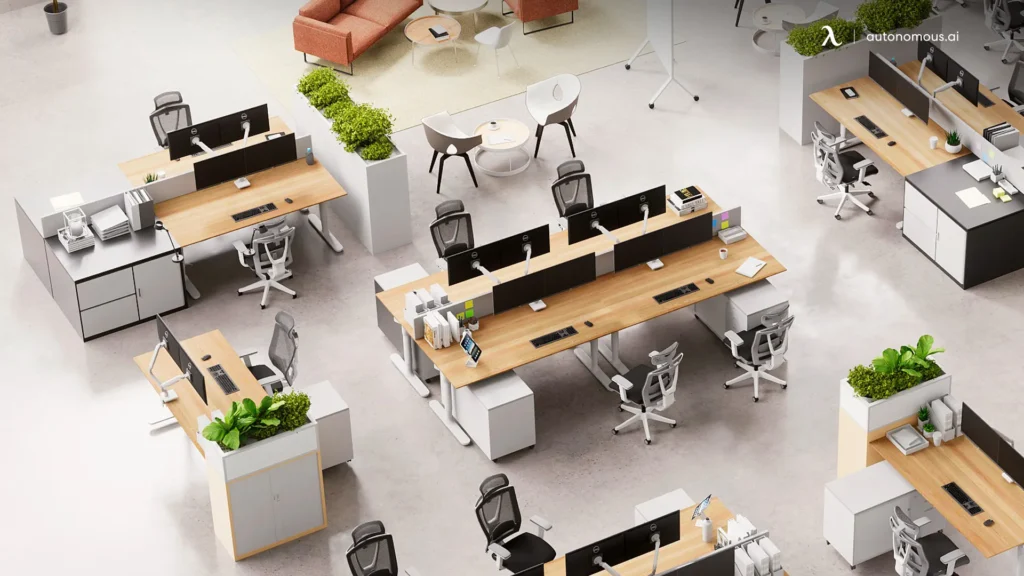
Another powerful technique in minimalist organization is the creation of defined zones or areas within your workspace. By segmenting your office into specific zones for different types of work, you can enhance focus and reduce distractions. Each zone should have a clear purpose—be it for focused work, collaborative tasks, or creative brainstorming. For instance, utilize a quiet corner with limited distractions for deep work, while setting up a communal table for team discussions and collaborations. This compartmentalization not only keeps your space tidy but also aligns your activities with the designated area, triggering your brain to adapt to various work modes.
Furthermore, the placement of furniture can play a vital role in establishing these zones. By using physical barriers such as bookshelves or plants, you can create a visual distinction between areas that may serve different functions. This enhances clarity and serves as an organizational tool itself. As you design your layout, consider the flow of movement and how it can minimize clutter, allowing you to transition seamlessly between work modes.
As you deepen your understanding of minimalist tools and techniques, you will discover that the art of organizing is not just about removing excess but about embracing simplicity and purpose. By stripping away distractions and thoughtfully arranging your workspace, you are setting the stage for a calmer and more efficient office experience.
| Advantages | Details |
|---|---|
| Enhanced Focus | Minimalist tools reduce distractions, allowing individuals to concentrate better on their tasks. |
| Improved Efficiency | Organized spaces enhance workflow, resulting in quicker completion of tasks and higher productivity. |
In the realm of office organization, adopting minimalist tools can profoundly enhance both focus and efficiency. When your workspace is streamlined, clutter dissipates, paving the way for a serene atmosphere that promotes concentration. Minimalist solutions—like multifunctional furniture and storage systems—help create a visually appealing environment devoid of excess. This newfound clarity is essential for tackling the myriad tasks that daily work demands.Moreover, an organized office fosters an environment where processes are optimized. By utilizing minimalist techniques, a logical structure emerges, allowing for seamless transitions between tasks. Think about the energy saved when everything has its designated place, minimizing the time lost to searching for misplaced items. Embracing these minimalist tools could ultimately transform your approach to work, leading you toward a significantly calmer and more productive office.
Streamlining Digital Clutter
While physical organization is essential for cultivating a calm office, it is equally crucial to address digital clutter. In today’s technology-driven work environment, managing digital files, emails, and applications can become overwhelming. A minimalist approach to your digital workspace can significantly reduce stress and improve efficiency. Start by conducting a thorough audit of your digital assets. This might involve sorting through your email inbox, organizing files into clearly labeled folders, and eliminating unused apps or programs.
Organizing Your Email: An overflowing inbox can be one of the primary sources of digital chaos. Begin by adopting a systematic approach to your email management. Use the ‘Four D’s’ method: Do it, Delegate it, Defer it, or Delete it. This simple framework can help you tackle emails as they come, ensuring that you neither let them pile up nor spend excessive time on a single message. Consider setting aside specific times each day to process your emails, limiting distractions and enhancing your concentration.
Additionally, utilizing filters and labels can keep your inbox organized. Create folders for different projects or clients to automatically categorize incoming emails, making it easy to retrieve information when needed. Tools like Unroll.me can help unsubscribe from unwanted emails, decluttering your inbox and reducing mental load.
Streamlined File Management
When it comes to digital file management, the goal is clarity and ease of access. Start by establishing a clear hierarchy in your file folders. One effective technique is to create a main folder for each project, which then has subfolders for different categories, such as ‘Research’, ‘Reports’, or ‘Meeting Notes’. This clear structuring allows for fluid navigation through your digital workspace.
Adopting cloud storage solutions like Google Drive or Dropbox can also enhance accessibility while minimizing clutter on your local hard drive. Additionally, consider implementing a regular turnover policy for your digital files—evaluate and archive any files that are no longer needed. A simple rule to follow is the ‘one-year rule’: if you haven’t needed a file in the past year, it may be time to delete or archive it.
Leveraging Productivity Tools
Another avenue for achieving a minimalist digital workspace is through the use of productivity tools. Applications such as Trello, Notion, or Airtable can streamline task management, project planning, and collaboration. Choose one central tool that resonates with your workflow and stick to it. This minimizes the risk of spreading your work across multiple platforms, which can lead to confusion and distraction.
Incorporate automation tools like Ifttt or Zapier to eliminate repetitive tasks, enhancing productivity without adding to cognitive overload. Automating routine processes helps you focus on more pressing work, thereby fostering a tranquil, organized office atmosphere.
By addressing both physical and digital clutter, you are not only simplifying your workspace but also enhancing your productivity and overall well-being. The continued pursuit of minimalist tools and techniques can ultimately cultivate a calming and more efficient office environment.
Conclusion
Embracing minimalist tools and techniques to organize your office is more than just an aesthetic choice; it’s a transformative journey towards a calmer, more productive workspace. By effectively managing both physical and digital clutter, you’re not only decluttering your surroundings but also alleviating mental stress, enhancing creativity, and improving overall well-being.
The integration of functional storage solutions, clearly defined workspaces, and efficient digital strategies lays down the foundation for simplicity and order. Utilizing frameworks like the ‘Four D’s’ for emails and adopting a structured hierarchy for file management introduces clarity to your everyday tasks. Furthermore, leveraging productivity tools enhances collaboration while minimizing distraction and cognitive overload.
In a fast-paced world where distractions abound, maintaining an orderly office environment can provide a refreshing retreat for the mind. A calm workspace allows for improved focus on high-priority tasks, ultimately leading to greater achievement. Remember that organization is not a destination but a continuous process. Regularly reassessing your tools, methods, and the space around you keeps unnecessary elements at bay and fosters an ongoing sense of tranquility.
As you embark on this organizing journey, prioritize what resonates with your workflow. Explore the minimalist approach not just as a guide for your physical surroundings, but as a pathway to mental clarity and efficiency. Begin today; a calmer, more organized office is within your reach.
Related posts:
Dismantling the Disorder: Minimalism Strategies for Home Offices
The Influence of Colors and Lighting on Organization and Productivity in Minimalist Work Environment...
Digital Organization Tips to Enhance a Minimalist Workspace
The Importance of Choosing Minimalist Furniture in Organizing the Workspace
How Minimalism Can Transform Your Workspace into a Productive Environment
The Art of Creating a Minimalist Workspace: Tips to Reduce Clutter and Increase Productivity

Linda Carter is a writer and organization expert specializing in minimalism and personal organization. With extensive experience helping individuals create clutter-free, functional spaces and adopt mindful habits, Linda shares her knowledge on our platform. Her goal is to empower readers with practical advice and strategies to simplify their lives, stay organized, and achieve a sense of calm and balance in their daily routines.