The Art of Doing Less: How Minimalism Increases Personal Productivity

Exploring the Benefits of Minimalism
In a fast-paced world filled with distractions, the concept of doing less is refreshing. Minimalism isn’t just about decluttering your physical space; it offers a pathway to enhanced personal productivity. By prioritizing what truly matters, we can unleash our potential and achieve more in less time. This philosophy provides an alternative to the chaotic hustle of modern life, advocating for a thoughtful approach to how we live and work.
Why Embrace Minimalism?
Adopting a minimalistic approach can lead to several key benefits that resonate with many people today:
- Reduced Stress: A clutter-free environment promotes mental clarity. When your surroundings are organized, your mind can operate more freely, reducing the anxiety that often accompanies a disordered space. Studies indicate that people report lower stress levels when their homes and offices are tidy.
- Increased Focus: Fewer distractions lead to heightened concentration on tasks. For instance, a clean desk can help maintain your focus during work hours, leading to higher-quality output. Research shows that tasks performed in an organized space are completed faster and with fewer errors.
- Improved Decision-Making: Simplifying choices can eliminate decision fatigue. The brain can become overwhelmed by too many options, leading to procrastination or poor choices. By limiting our decisions to what truly matters, we clear mental clutter and empower ourselves to make informed selections quickly.
Many successful individuals in the U.S. credit their achievements to the principles of minimalism. Figures like Steve Jobs, known for his sleek designs and simple aesthetics at Apple, and Marie Kondo, whose organization methods have transformed countless homes, have popularized the idea that achieving more starts with less. This philosophy encourages us to reassess our commitments and streamline our workflows, allowing for greater effectiveness in both personal and professional realms.
Starting Your Journey
Embracing minimalism may feel daunting at first, yet it offers a transformative journey. Here is how you can begin:
- Identify your priorities: Take time to reflect on what truly matters in your life. This may include relationships, career goals, or personal wellbeing.
- Eliminate non-essential tasks: Evaluate your daily to-do lists and identify tasks that don’t contribute to your core objectives, allowing you to focus on what is genuinely important.
- Focus on quality over quantity: Whether it’s the relationships you nurture or the work you produce, prioritize depth and quality. This approach promotes lasting satisfaction and success.
As you delve deeper into the art of doing less, prepare to uncover a new method of working that not only boosts productivity but also enriches your life. Minimalism is a mindset shift that can inspire creativity and foster resilience. With each small step towards simplicity, you may find yourself more energized, purposeful, and ready to embrace the opportunities that life has to offer.
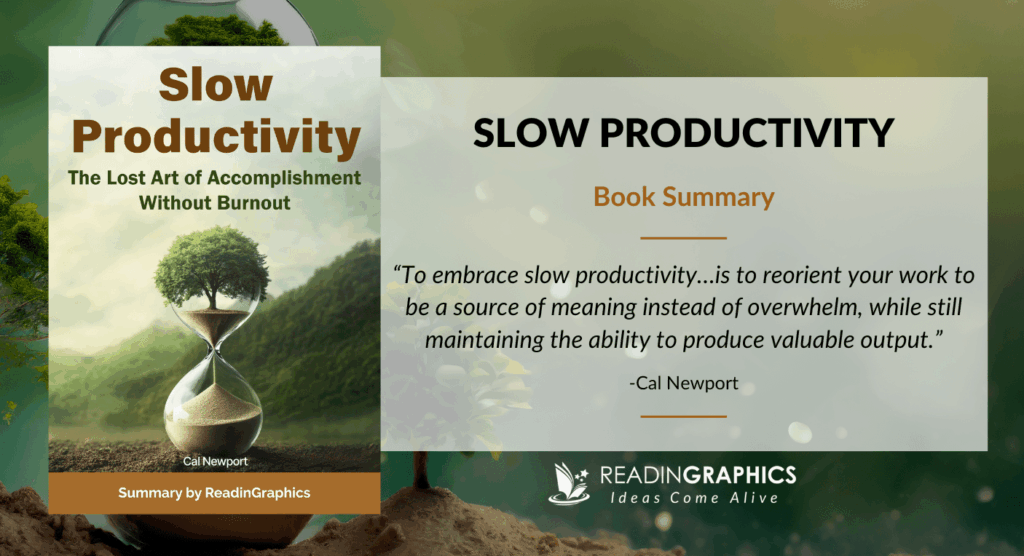
Unleashing the Power of Less
In a society that constantly equates busyness with success, the art of doing less can feel counterintuitive. However, minimalism empowers individuals to focus their energy on what truly drives results. By honing in on their core aspirations and streamlining their daily activities, people can experience significant enhancements in both productivity and overall satisfaction. This transformative mindset encourages us to break free from the shackles of excess, allowing for a profound shift in how we approach our day-to-day lives.
The Science Behind Minimalism and Productivity
Recent studies have shed light on how minimalism correlates with improved personal productivity. For instance, research conducted by the American Psychological Association found that individuals who maintained organized workspaces were not only more efficient, but also more creative in their problem-solving approaches. The clarity that arises from a simplified environment fosters an atmosphere ripe for innovation and productivity.
One compelling aspect of minimalism lies in its impact on motivation. When faced with a cluttered space—whether that be physical items, overwhelming tasks, or an overloaded calendar—the brain struggles to prioritize effectively. Instead, by embracing a minimalist approach and eliminating surplus distractions, individuals can redirect their focus and drive towards their most valuable goals.
To illustrate this point, consider the phenomenon of decision fatigue. Researchers have identified that cognitive resources are limited throughout the day. As such, an individual bombarded with options—be it choosing from an endless array of social commitments or determining which tasks to prioritize—may experience burnout and decreased effectiveness. By intentionally minimizing choices and concentrating on a few relevant tasks, minimalism helps to preserve mental energy, leading to more decisive and confident actions.
Practical Steps to Incorporate Minimalism
Adopting minimalism in your life requires some practical steps to ensure its success. Here are a few strategies to consider:
- Acknowledge your distractions: Identify what diverts your attention throughout the day. This could be digital notifications, social media usage, or even clutter on your desk.
- Set boundaries: Allocate specific times for work and play while limiting the scope of tasks to a manageable few each day. This not only enhances focus but also encourages a healthy work-life balance.
- Prioritize tasks using the Eisenhower Matrix: Organize your to-do list based on urgency and importance. This logical approach helps decision-making by focusing on what truly needs attention.
As you begin to embrace minimalism, be prepared to notice how this art of doing less can lead to fulfilling improvements in your personal productivity. By learning to value substance over quantity, you position yourself for success and alignment with your life goals.
| Benefits of Minimalism | How It Enhances Productivity |
|---|---|
| Reduced Distractions | Minimized clutter creates a more focused work environment. |
| Clarity of Purpose | Prioritizing tasks leads to effective goal management. |
| Enhanced Decision-Making | Fewer choices simplify processes, leading to faster conclusions. |
| Increased Energy Levels | A decluttered space fosters a refreshing mindset for productivity. |
Embracing minimalism not only transforms physical spaces but also enhances mental clarity and productivity. By reducing distractions, individuals can cultivate a serene work atmosphere. This leads to enhanced decision-making as fewer choices simplify complex scenarios, enabling quicker and more efficient actions. Moreover, when personal goals are aligned with a minimalist approach, clarity of purpose becomes evident, allowing for better prioritization of tasks. In addition, minimalism often correlates with increased energy levels, as a clean, organized space contributes to a refreshing mindset, vital for maintaining productivity. Every aspect of incorporation, from selecting necessary tools to limiting commitments, plays a crucial role in how minimalism fuels personal productivity. The ripple effect of these principles often drives individuals to explore further aspects of lifestyle choices that align with these values.
Crafting a Simpler Life for Greater Focus
As we delve deeper into minimalism, it becomes evident that the principles extend beyond merely decluttering our environments. Embracing a minimalist lifestyle also means purging unnecessary obligations and commitments that pile onto our schedules, diverting our attention from what is truly important. By aligning our activities with our core values, we create space not only in our physical surroundings but also in our minds.
Mindfulness and Its Role in Productivity
One of the most significant pillars of minimalism is mindfulness. It encourages individuals to engage fully with their present activities rather than succumbing to distractions. Research indicates that mindfulness practices, such as meditation and focused breathing, can lead to increased attention span and improved cognitive performance. According to a study published in the journal Psychological Science, practitioners of mindfulness report higher levels of task engagement, which naturally conduces to greater productivity outcomes.
By incorporating moments of mindfulness throughout our day, we can cultivate an awareness that allows us to filter out noise and focus on priorities. This method inherently supports a minimalist approach, as being present reduces the temptation to juggle multiple responsibilities and instead prioritizes quality over quantity.
The Role of Technology in Minimalism
In our interconnected world, technology has emerged as both a tool and a potential obstacle to minimalism. While digital devices enable remarkable productivity enhancements through easy access to information, they can also create an environment brimming with distractions. A 2022 survey by Pew Research Center revealed that Americans spend, on average, over seven hours a day on their devices, often leading to a significant loss in productivity.
To harness technology effectively, individuals can embrace the concept of digital minimalism, which emphasizes prioritizing high-quality interactions over the quantity of notifications. This can be achieved through measures like setting designated times for checking emails, disabling non-essential notifications, or utilizing productivity apps that promote focused work sessions, such as the Pomodoro Technique.
Creating a Productive Environment
Physical space also plays a crucial role in the minimalist approach to productivity. Researchers at the University of California found that clutter can overwhelm the brain, causing decreased focus and reduced task performance. Implementing minimalist design principles in your workspace—such as reducing visual distractions and opting for multifunctional furniture—can promote a more organized and serene work zone.
Consider the power of nature as well; studies show that incorporating elements such as plants or natural light can elevate mood and enhance concentration. Thus, a thoughtful design that prioritizes simplicity and tranquility becomes an essential part of driving productivity through minimalism.
Long-term Benefits of Minimalism
Ultimately, the rewards of adopting a minimalist mindset extend beyond immediate productivity gains. Embracing less can lead to improved emotional resilience, decreased anxiety, and enhanced decision-making abilities. A survey by the National Institute of Mental Health revealed that individuals who simplified their lifestyles reported higher satisfaction levels and lower stress-related responses. In a culture that often glorifies the hustle, minimalism presents an appealing counter-narrative that celebrates balance and intentionality.
By cultivating a life that values quality over quantity, individuals not only enhance their productivity but also contribute to an enriched quality of life, where every decision and action aligns with their true aspirations.
Conclusion: Embracing Minimalism for Lasting Productivity
In a fast-paced world where multitasking is often celebrated, the concept of minimalism serves as a powerful reminder of the benefits of doing less. By adopting a minimalist lifestyle, individuals can reclaim their focus by shedding unnecessary clutter and distractions, both physically and mentally. As outlined, embracing simplicity not only streamlines our environments but also enables us to align our daily activities with our core values, thus enhancing our overall effectiveness.
Furthermore, the incorporation of mindfulness practices fosters a heightened state of awareness that empowers individuals to engage more fully with their tasks. This focus leads to significant improvements in personal productivity, as evidenced by research that highlights the positive effects of mindfulness on cognitive performance and task engagement.
Additionally, by navigating the challenges posed by technology through digital minimalism and creating organized, serene workspaces, individuals can diminish distractions and cultivate a more conducive climate for productivity. The long-term benefits of minimalism extend beyond professional realms; they encompass emotional well-being and a deeper sense of satisfaction in life.
Ultimately, the art of doing less propels us toward a richer, more intentional existence. By prioritizing quality over quantity in all aspects of our lives, we pave the way for sustainable productivity and fulfillment. As you ponder the principles of minimalism, consider how simplification could enhance your own journey toward greater effectiveness and a more satisfying lifestyle.
Related posts:
Boost Daily Productivity with Minimalism Discover Effective Strategies
How Minimalism Can Increase Your Daily Productivity
Uncomplicating Life: Tools and Tips for Implementing Minimalist Productivity in Your Home and Work
How to Create a Minimalist Routine that Increases Personal Efficiency
Minimalism and the Art of Saying No: Focusing on What Really Matters
Minimalist Organization Strategies Reduce Stress Boost Focus

Linda Carter is a writer and organization expert specializing in minimalism and personal organization. With extensive experience helping individuals create clutter-free, functional spaces and adopt mindful habits, Linda shares her knowledge on our platform. Her goal is to empower readers with practical advice and strategies to simplify their lives, stay organized, and achieve a sense of calm and balance in their daily routines.