How Minimalism Can Transform Your Workspace into a Productive Environment
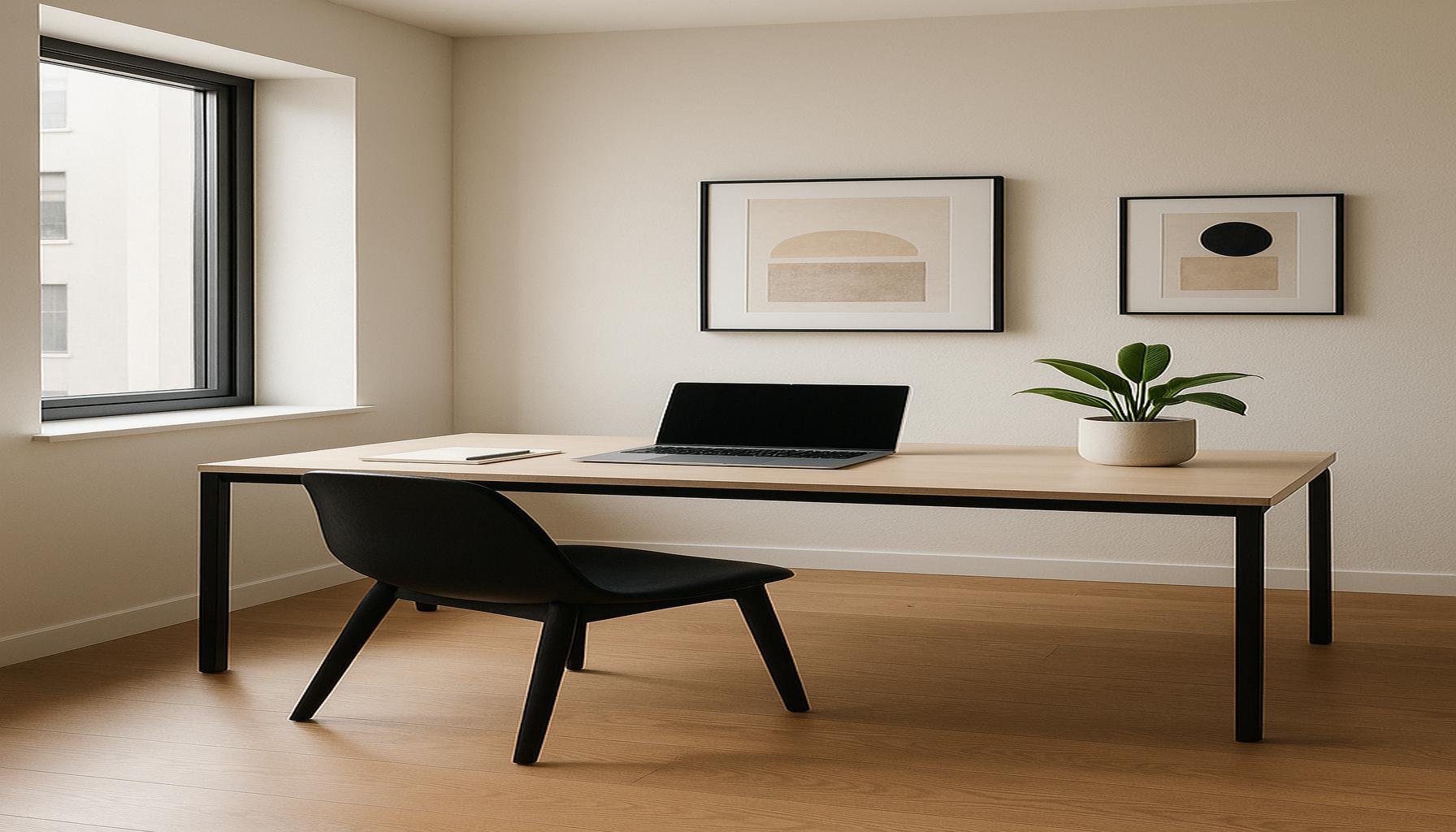
Understanding Minimalism in the Workspace
In today’s fast-paced world, the importance of a well-designed workspace cannot be overstated. What surrounds us significantly affects our mental state and productivity. A minimalist approach to workspace design helps to declutter our minds as much as it does our physical space. This intentional simplicity can act as a catalyst for improved focus, creativity, and overall efficiency within our work environments.
Key Benefits of Minimalism
Adopting a minimalist mindset in your workspace can bring about numerous advantages. Here are some critical benefits that underscore why you should consider this approach:
- Reduced Distractions: A workspace free from clutter significantly minimizes visual distractions. With fewer items vying for your attention, it becomes easier to dive deep into tasks without the constant allure of unrelated objects drawing your gaze. Studies show that employees in minimalist environments report fewer distractions, thereby enhancing their concentration and focus.
- Increased Efficiency: Efficient workflows often hinge on organization. With a minimalist approach, every tool has its designated place, leading to faster retrieval times. Imagine needing a specific report or tool—having it organized within a streamlined system cuts down time searching and boosts your overall productivity.
- Enhanced Creativity: Creativity thrives in an uncluttered mind. A minimalist workspace can especially aid in breaking down mental barriers, encouraging fresh ideas to flow. With less clutter in your line of sight and your mental space, you’re more likely to brainstorm innovative solutions to problems and think outside the box.
The benefits of a minimalist workspace reach beyond mere aesthetics. Research highlights that individuals who embrace minimalism often report elevated job satisfaction and stronger performance levels. A well-structured, decluttered environment nurtures a healthier mental state, which, in turn, enhances workplace morale and motivation.
Taking Action: Steps to Transform Your Workspace
Are you intrigued by the potential of minimalism in your professional life? Start by examining your current workspace. Identify items that are essential and eliminate everything else that does not serve a clear purpose. It could be as simple as removing unnecessary papers, organizing your desk supplies, or even investing in multifunctional furniture that promotes versatility while taking up less space.
Engaging with this minimalist journey will not only change how your environment looks but also how you feel and perform in it. The act of decluttering creates an open canvas, allowing your ideas and productivity to flourish unhindered. Are you ready to unleash the power of minimalism and witness the remarkable changes it can bring to your day-to-day work life?
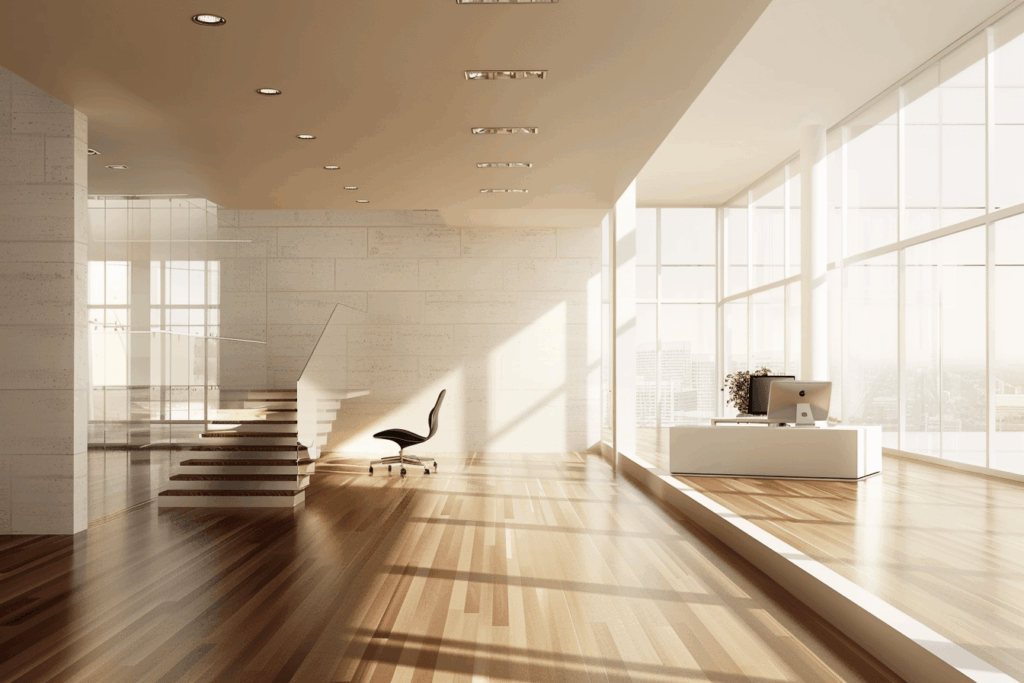
Practical Steps to Embrace Minimalism
Implementing minimalism in your workspace begins with a clear action plan. While the concept may seem daunting, breaking it down into achievable tasks can facilitate a smoother transition. Here are some practical steps to embark on this transformative journey:
- Acknowledge Your Essentials: Before diving into decluttering, take a moment to assess what items are genuinely essential for your work. Create a list of necessary tools, documents, and supplies, which will serve as a benchmark for the decluttering process. It’s important to distinguish between items that hold real value in your day-to-day activities versus those that merely occupy space.
- Set a Decluttering Schedule: Instead of tackling your entire workspace in one go, consider setting a schedule. Allocate specific times during the week to focus on different areas, be it your desk, filing cabinets, or digital space. This moderate approach allows you to maintain a clear vision and avoid overwhelm.
- Digitize Where Possible: In this digital age, consider shifting from paper to digital formats. Scan important documents and organize them in cloud storage to reduce physical clutter significantly. Not only does this save space, but digital files can also be accessed from anywhere, providing greater flexibility.
- Implement Storage Solutions: Opt for stylish yet functional storage options that align with a minimalist aesthetic. Utilizing under-desk storage, wall-mounted shelves, and multi-functional furniture can dramatically clear your desk area. These solutions not only enhance organization but also contribute to a cleaner, more streamlined environment.
- Personalize Thoughtfully: While a minimalist workspace emphasizes simplicity, it’s still important to incorporate elements that inspire and motivate you. This might include a single piece of artwork, a potted plant, or personal photographs. The key is to maintain a balance that preserves clarity while adding character to your environment.
As you implement these steps, it’s essential to remain committed to the minimalism mindset. This is not just a one-time effort; minimalism should evolve alongside your work habits and needs. By continuously reevaluating what adds value to your workspace, you cultivate an area that is not only aesthetically pleasing but also conducive to productivity.
The journey towards a minimalist workspace ultimately leads to greater control over your environment. Each decision to discard the non-essential creates a more manageable and inspiring atmosphere, setting the stage for improved focus and efficiency. As you transition towards minimalism, you may begin to notice how a few simple changes can spark significant shifts in your productivity levels, encouraging a more engaged and fulfilling work experience.
Creating a Clutter-Free Space
One of the core principles of minimalism is the creation of a clutter-free environment. By removing unnecessary items from your workspace, you pave the way for clarity and focus. When your surroundings are clean and organized, it becomes easier to concentrate on essential tasks without the distraction of excess belongings. Think of it as a mental palate cleanse, where simplicity fosters your ability to think creatively and efficiently.
The Importance of Functionality
Minimalism isn’t just about aesthetics; it’s also about functionality. Every item in a minimalist workspace should serve a purpose. This principle makes it easier to distinguish between what you need and what can be discarded. For instance, having a single quality pen and a notepad may be more effective than a drawer brimming with supplies. This clarity helps streamline your workflow and enhance productivity.
Color and Light: The Subtle Influencers
Another aspect of a minimalist workspace is the careful selection of colors and the use of natural light. Neutral tones, such as whites and greys, can create a serene atmosphere that promotes concentration. Incorporating natural light is equally vital, as it contributes to your overall well-being, reduces eye strain, and energizes you throughout the day. Position your desk by a window or choose light fixtures that mimic natural light to maximize these benefits.
Minimalism and Mental Health
Studies have shown that a cluttered environment can increase stress and anxiety levels. Embracing minimalism in your workspace can cultivate a more positive mindset. The simplicity associated with minimalism can make your environment feel more peaceful, reducing stress and allowing you to focus on your most important tasks. Furthermore, a well-organized workspace can enhance creativity, as it encourages a flow of ideas without the interruptions caused by visual noise.
| Category 1 | Category 2 |
|---|---|
| Clutter Reduction | Less Tidying, More Focus |
| Streamlined Design | Boosted Productivity |
Enhanced Workflow
Minimalism encourages a workflow that emphasizes efficiency. By adopting a minimalist approach, you can establish streamlined processes and reduce the time spent searching for materials or tools. This empowerment can lead to improved output, as you can dedicate your energy toward producing quality work rather than managing disorganization. Each task becomes clearer and more manageable, assisting you in reaching your professional objectives effectively.
Conclusion
A minimalist workspace isn’t merely about aesthetics; it’s about embracing a philosophy that fosters productivity and creativity. By focusing on simplicity, you can transform your environment into a space conducive to success. Discovering how minimalism fits into your life might just be the key to unlocking your full potential.
Creating a Mindful Work Atmosphere
Beyond physical decluttering, minimalism offers a pathway to nurturing a mindful work atmosphere that enhances productivity. Embracing this philosophy throughout your workspace can transform the way you approach tasks and interact with your environment. Here’s how to foster mindfulness within your minimalist workspace:
- Establish a Dedicated Task Zone: Designate specific areas within your workspace for distinct activities, such as focusing on tasks, brainstorming, or taking breaks. This spatial organization minimizes distractions and helps prime your mind for the kind of work you need to accomplish. When your brain associates particular spaces with certain tasks, it cultivates a consistent routine that can lead to improved concentration.
- Limit Digital Distractions: In an age where notifications bombard us, embracing digital minimalism is just as essential as physical decluttering. Take intentional steps to reduce digital clutter by turning off non-essential notifications, unsubscribing from irrelevant emails, and organizing your digital files. Applications designed to manage tasks and schedules can streamline processes, allowing you to focus on what truly matters.
- Incorporate Natural Elements: Integrating nature into your workspace supports a heightened sense of well-being. Consider introducing elements such as natural lighting, greenery, or even a small water feature. Research has shown that exposure to nature can significantly enhance mood and reduce stress, leading to improved cognitive function and creativity. Check out indoor plants like succulents or snake plants that require minimal care but add a refreshing touch to your workspace.
- Embrace Ergonomics: A minimalist workspace extends to ergonomic design as well. Invest in a chair and desk that cultivate comfort while encouraging good posture. Incorporating height-adjustable standing desks may provide variance throughout the day, avoiding fatigue and fostering energy levels. This conscious investment in your health ultimately contributes to heightened productivity.
- Prioritize Regular Breaks: While staying focused is critical, embracing minimalism reflects the importance of balance. Schedule regular breaks to recharge your mental energy, offering a moment of respite. Short pauses can enhance focus, creativity, and overall performance. Whether it’s stepping outside for fresh air or practicing brief mindfulness exercises, these breaks can enhance your ability to engage deeply with your work.
Furthermore, consider the psychological impact of minimalism. Studies indicate that a clutter-free environment can significantly decrease levels of cortisol, the stress hormone, in your body. This reduction can lead to improved focus and the ability to engage with tasks more fully. By shifting your workspace to reflect minimalism, you are not just rearranging objects; you are creating an environment conducive to thriving, both psychologically and physically.
As you cultivate a mindful work atmosphere, consider utilizing feedback and continuous improvement. Ask yourself whether certain practices are enhancing your productivity or if there are lingering distractions that need to be addressed. Engaging in this reflective process will ensure that your minimalist workspace evolves alongside your changing work habits, ultimately contributing to a more efficient and enjoyable working experience.
Conclusion: The Power of Minimalism in Your Workspace
In a world increasingly overwhelmed by distractions, minimalism stands out as a powerful tool for transforming your workspace into a productive environment. By adopting minimalist practices, you can effectively create a sensory experience that fosters attention, creativity, and clarity. The removal of clutter—both physical and digital—is merely the beginning; the true essence of minimalism lies in the intentionality behind each decision you make regarding your workspace.
As discussed, establishing dedicated task zones, limiting digital distractions, and incorporating natural elements contribute to a mindful atmosphere. Ergonomic considerations ensure that your physical health is prioritized, while regular breaks help maintain mental acuity. Each of these elements serves to encourage a deeper focus, ultimately leading to enhanced productivity and well-being.
Moreover, embracing minimalism invites a continuous reflection process. By regularly assessing your workspace and its alignment with your current needs, you create a dynamic environment that evolves with you. This adaptability is essential as your tasks and priorities shift over time, allowing for sustained high performance.
Furthermore, as studies suggest, reducing clutter not only minimizes stress but also cultivates a more fulfilling working experience. As you embark on this journey towards a simplified workspace, consider the profound impact minimalism can have—not just within your professional realm, but also on your overall quality of life. Embrace the challenge of decluttering and discover how the thoughtful design of your surroundings can lead to sharper focus, greater efficiency, and an enriched sense of accomplishment. In the end, a minimalist workspace is not just a trend; it is a lifestyle choice that empowers you to thrive amid the complexities of modern work.
Related posts:
How Workplace Organization Can Increase Productivity in Minimalist Environments
How Workplace Organization Can Increase Productivity
Boost Productivity Minimalist Workspace Organization Tips
The Impact of Technology on Minimalist Office Organization
Minimalist Office Organization Strategies to Reduce Clutter and Stress
Integrating Minimalism in Office Furniture Selection

Linda Carter is a writer and organization expert specializing in minimalism and personal organization. With extensive experience helping individuals create clutter-free, functional spaces and adopt mindful habits, Linda shares her knowledge on our platform. Her goal is to empower readers with practical advice and strategies to simplify their lives, stay organized, and achieve a sense of calm and balance in their daily routines.