The Importance of Physical Space in Time Management: Creating a Minimalist Environment

Understanding the Connection Between Environment and Productivity
In today’s fast-paced world, effective time management can be a challenge. One often-overlooked factor is our physical environment. The way we design and organize our spaces significantly impacts how we manage our time and tasks. The noticeable chaos in our surroundings often spills over into our day-to-day activities, creating distractions that impede our ability to focus.
A cluttered space can lead to a cluttered mind. Research highlights that individuals working in disorganized settings experience heightened stress and decreased productivity levels. For instance, a study from Princeton University found that physical clutter competes for attention, making it difficult to focus on the tasks at hand. By transforming your surroundings, you can drastically reshape how you approach work and daily responsibilities.
Consider these elements that promote better time management:
- Decluttering: Removing unnecessary items, such as old papers or unruly office supplies, helps focus on what truly matters. Regularly assessing your space ensures that you’re surrounded by only items that inspire or aid your work.
- Organized Zones: Creating defined areas for work, relaxation, and leisure can streamline daily activities. For example, designating a specific corner of your home for work can mentally condition you to focus only when you’re in that space, thereby enhancing productivity.
- Minimalist Aesthetics: Emphasizing a simple, clean design reduces distractions. A minimalist environment is not only visually appealing but can also encourage a mindset conducive to creativity. Bright colors, natural light, and strategic use of space can energize and motivate you.
By cultivating a minimalist environment, you can enhance not only your productivity but also your overall well-being. A well-organized space promotes better planning and prioritization—both of which are essential skills for managing time effectively. Moreover, studies have shown that incorporating elements of nature, like plants, can boost mood and productivity levels, making it even more beneficial to curate your environment thoughtfully.
This exploration into how transforming your physical space can lead to significant improvements in your time management skills invites you to rethink your surroundings. Embrace the idea that a few intentional changes can unlock a world of efficiency and clarity. As you delve deeper into the world of productivity, consider how creating a space tailored to your needs may be the key to thriving in both your personal and professional life. A harmonious environment could very well be the missing link in your pursuit of greater productivity.
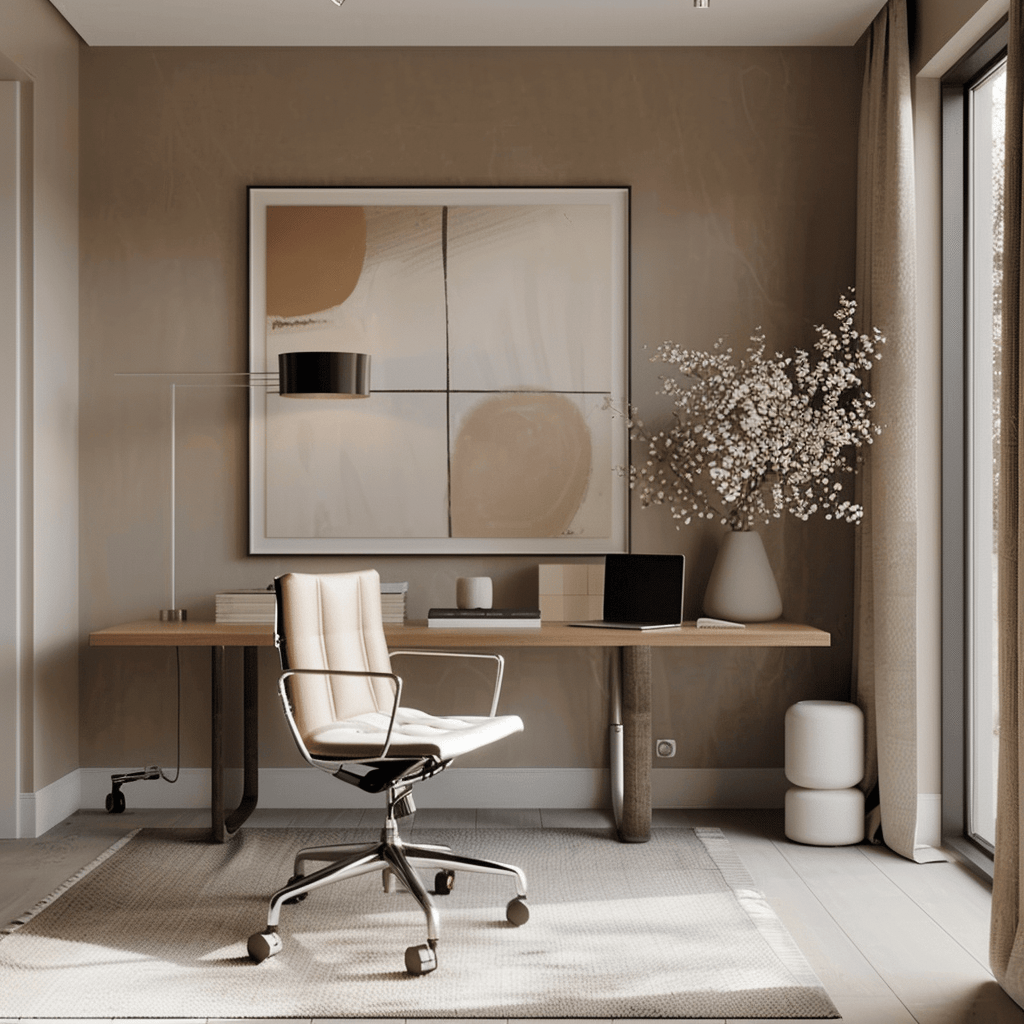
Elements of a Minimalist Space That Boost Efficiency
To harness the profound connection between our environments and our productivity, it is essential to understand the core elements of a minimalist space that promote effective time management. A well-thought-out environment can serve as a catalyst for improved focus, less procrastination, and enhanced clarity in decision-making. By focusing on these key areas, individuals can create spaces that not only reflect their personal style but also significantly uplift their productivity levels.
1. Strategic Use of Technology
In an age where technology plays a pivotal role in time management, it’s crucial to design your space to leverage these tools effectively. Consider implementing a digital decluttering strategy, which involves organizing your digital files and minimizing distractions from devices. For instance, keeping your desktop clean and organized, or utilizing productivity apps that align with your working style, can streamline your processes. Furthermore, establishing tech-free zones where you can focus without interruptions allows for more productive sessions.
2. The Power of Natural Elements
Integrating elements of nature into your workspace can significantly enhance your mental well-being. Studies suggest that simply having a few plants displayed in your environment can lead to reduced stress levels and improved focus. Nature not only beautifies your surroundings, but the presence of greenery, such as succulents or small potted plants, may increase your ability to concentrate. Create a balance by incorporating elements like natural light and fresh air, as they are known to have a positive impact on cognitive function and mood.
3. Functional Furniture Choices
Choosing furniture that promotes both comfort and efficiency is vital in creating a minimalist environment. Opt for items that serve multiple purposes—such as a desk with built-in storage or a chair that provides ergonomic support—to maximize space utility. A sleek, minimalist desk encourages a clean workspace and provides sufficient room for essential tools, while also offering a visual reminder to keep only what is necessary. A carefully selected chair can help maintain posture and reduce distractions caused by discomfort.
4. Organizing for Action
Effective organization within your space translates to better time management. When your items are systematically arranged, you save precious time by easily locating the tools you need. Consider implementing a color-coded system or designated storage solutions for different tasks. A simple list of items that need regular attention, like office supplies, documents, and personal items, can help prevent unnecessary clutter from accumulating in your work area.
- Promote a single-task focus: Ensure that your space encourages you to concentrate on one task at a time, which is more efficient than juggling multiple tasks that can lead to burnout.
- Establish a clean desk policy: At the end of each day, take a few minutes to tidy your workspace to maintain an organized environment.
- Customize your setup: Personalize your space with items that inspire you, but resist the urge to over-decorate, as this can lead to new distractions.
By deliberately crafting a minimalist space that addresses each of these key elements, individuals can create an environment tailored to enhancing both time management and overall productivity. This deliberate approach not only fosters a focused mindset but can also cultivate an inspiring atmosphere that encourages personal growth and efficiency.
| Advantage | Explanation |
|---|---|
| Enhanced Focus | A minimalist environment reduces distractions, allowing for better concentration on tasks at hand. |
| Improved Productivity | By creating dedicated spaces for work, individuals can streamline their workflow and optimize time management. |
| Reduced Stress | A clutter-free space contributes to a calmer mindset, making it easier to tackle tasks without feeling overwhelmed. |
| Encouraged Creativity | Minimalism fosters an environment where creative ideas can flourish, free from the burden of excess. |
In the age of distractions, the physical aspects of our workspaces play a crucial role in managing time effectively. A well-structured environment not only enhances focus but also significantly boosts productivity. As individuals embrace minimalism, they discover that a dedicated workspace devoid of clutter allows for smoother workflows and optimized time management. Furthermore, maintaining a clean and organized space has been shown to reduce stress levels. A peaceful backdrop creates the ideal atmosphere for tackling to-do lists while preventing feelings of overwhelm. The benefits don’t end there; a minimalist environment can also unlock creative potential. Without the distraction of unnecessary items, innovative ideas have space to blossom, enriching both personal and professional growth. Creating a minimalist workspace is not merely an aesthetic choice but a strategic decision that can transform the way we manage our time and mental capacity.
Additional Strategies for Cultivating a Minimalist Workspace
Creating a minimalist environment goes beyond the basics; it involves a thorough understanding of how the arrangement and functionality of your workspace can further enhance your time management. By adopting various strategies, you can optimize your physical space and reap the benefits of improved productivity. Here, we delve into several factors to consider when aiming for efficiency through a minimalist lens.
5. Mindful Decluttering Practices
Decluttering is a continuous process rather than a one-time event. Regularly practicing mindful decluttering allows you to assess the items in your workspace critically. Implement a method like the KonMari technique, which encourages you to keep only those items that “spark joy” or serve a significant purpose in your daily tasks. This approach not only fosters a clearer mind but also creates an inviting workspace that allows you to think more creatively and clearly.
6. Establishing Zones for Different Activities
Creating specific areas in your workspace dedicated to various tasks can be incredibly useful. For example, designating a focused work zone, a collaborative space, and a relaxation nook can help delineate activities and help your mind shift gears more efficiently. Ensuring that these zones are monochromatic and free of unnecessary clutter allows for quick transitions between tasks and minimizes distractions, thus enhancing productivity.
7. The Role of Color Psychology
The colors in your workspace can significantly influence your mood and productivity levels. Employing a strategic color palette—such as calming blues or stimulating yellows—can create a conducive atmosphere for specific activities. Research suggests that cohesive color schemes lead to better concentration and less stress. While designing your space, carefully select color accents that inspire creativity or calmness, as these can enhance the effectiveness of your time management efforts.
8. Personalization with Purpose
While the minimalist ethos often emphasizes simplicity, incorporating personal items that inspire or motivate you can serve a dual purpose. For instance, framing motivational quotes or displaying photos of achievements can foster a sense of purpose without contributing to clutter. The key is to restrict personalization to a few intentional choices that enhance your workspace’s aesthetic and function while maintaining its minimalist integrity. The subconscious connection to these elements can drive motivation and keep you focused on your goals.
- Regular assessments: Evaluate your workspace every few months. Ask yourself whether each item truly contributes to your productivity and well-being.
- Limit distractions: Identify your biggest distractions—be it notifications from devices or visual clutter—and take steps to mitigate their presence in your workspace.
- Incorporate silence: Consider the role of sound in your workspace. Establish a sound management plan, such as using noise-cancelling headphones or soft background music that enhances concentration.
By incorporating these additional strategies into your minimalist workspace, you can create an environment that not only promotes time management but also aligns with your personal and professional aspirations. These tailored adjustments can lead to sustainable productivity improvements, allowing you to maintain focus and direction in the fast-paced world we inhabit.
Conclusion: Embracing Minimalism for Enhanced Time Management
In the hustle and bustle of modern life, the necessity of a well-organized physical space cannot be overstated. This article has explored the integral connection between physical space and time management, demonstrating how a minimalist environment can significantly optimize productivity. By embracing the principles of minimalism—such as mindful decluttering, strategic zoning, and purposeful personalization—you empower yourself to reclaim focus and efficiency in your daily tasks.
As you integrate these practices into your workspace, it’s important to recognize that the journey towards a clutter-free environment is ongoing. Regularly assessing and modifying your space ensures that it aligns with your professional and personal goals. Ultimately, the goal is not just a tidy desk, but a sanctuary that fosters creativity, clarity, and concentration.
Moreover, investing time in understanding the psychological nuances of your surroundings—like the effects of color and sound—can further refine your ability to manage time effectively. A well-crafted minimalist space does more than support productivity; it nurtures your overall well-being, positioning you to thrive in a fast-paced world. As you embark on this transformative journey, consider how a thoughtful and intentional approach to your workspace can lead to profound improvements in both your time management and quality of life. Discovering the balance between simplicity and functionality may just be the key to unlocking your full potential.
Related posts:
Priorities in Focus: Minimalist Techniques for Defining and Achieving Daily Goals
Uncomplicating Daily Life: Minimalist Strategies to Increase Your Productivity
The Art of Saying No: How Minimalism Can Improve Your Time Management
The Art of Prioritizing: How Minimalism Enhances Time Management Skills
Mastering Time Management How Minimalism Teaches the Art of Saying No
The Power of Saying No: How Minimalism Can Help You Protect Your Time

Linda Carter is a writer and organization expert specializing in minimalism and personal organization. With extensive experience helping individuals create clutter-free, functional spaces and adopt mindful habits, Linda shares her knowledge on our platform. Her goal is to empower readers with practical advice and strategies to simplify their lives, stay organized, and achieve a sense of calm and balance in their daily routines.