Integration of mindfulness practices into minimalist daily routines
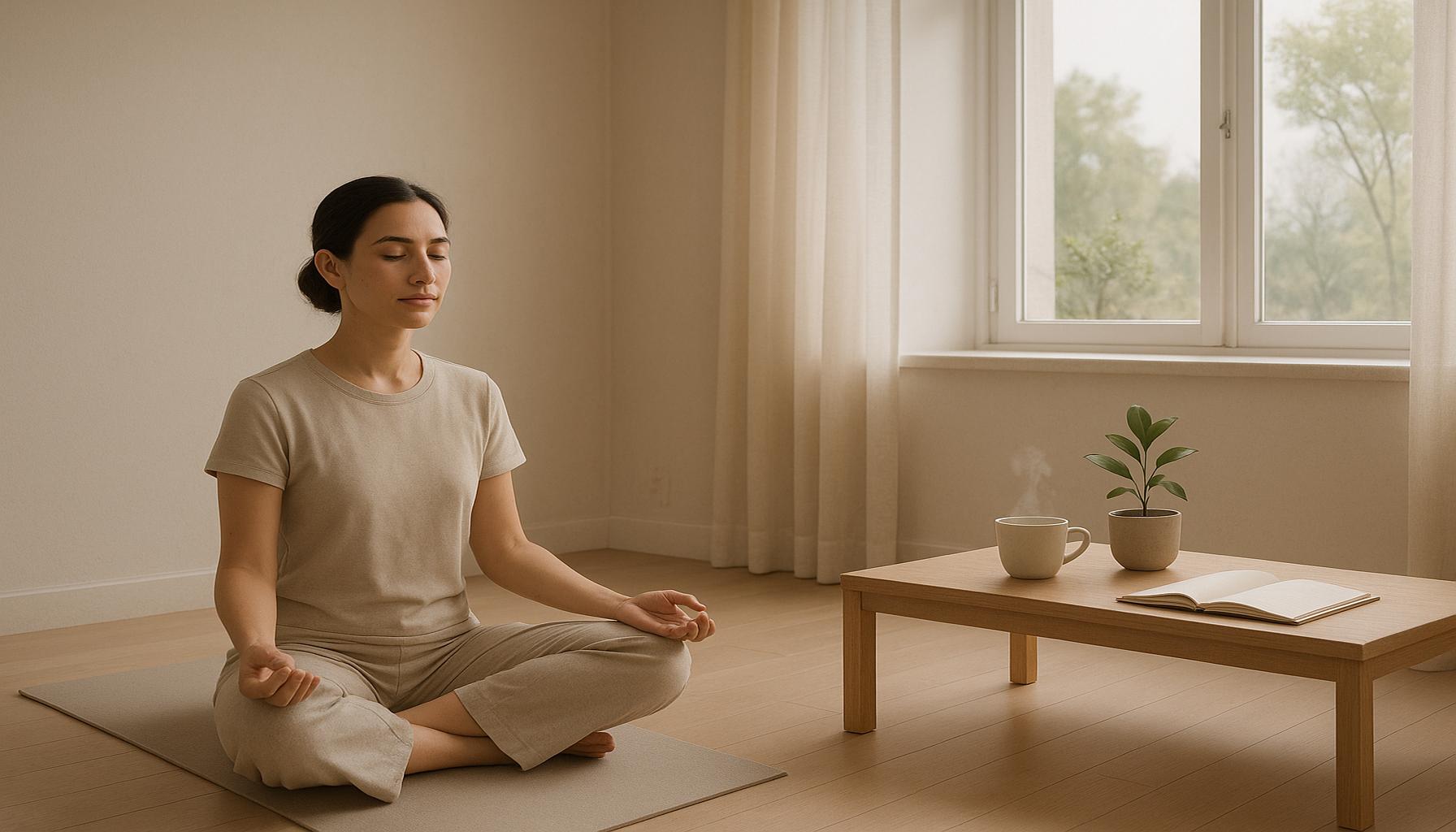
Integrating Mindfulness with a Minimalist Lifestyle
In an era marked by relentless multitasking and overwhelming consumerism, many are turning towards minimalism as a refuge. The essence of minimalism transcends mere physical de-cluttering; it embodies a holistic approach that incorporates mindfulness practices into everyday life. This blend fosters a deeper sense of peace and presence, illuminating a more joyful existence amidst the chaos of modern living.
For many, minimalism signifies a thoughtful strategy to achieve mental clarity and emotional wellness. It encourages individuals to curate not just their physical surroundings, but also their mental landscapes. This shift in perspective has led to increased popularity in the following aspects of minimalist mindfulness:
- Intentional Living: This practice involves making deliberate choices that align with one’s core values. For instance, someone passionate about sustainability may choose to adopt a vegan lifestyle while also minimizing their wardrobe to only ethically sourced garments. This kind of intentionality can lead to a more authentic way of living.
- Stress Reduction: Minimalism encourages the reduction of unnecessary mental clutter. Techniques such as journaling or reflective practices can help individuals identify stress triggers and eliminate distractions, thereby promoting mental ease.
- Focus on the Present: Engaging in mindfulness techniques like deep breathing or meditation can anchor individuals in the now. Research supports the notion that these practices can significantly elevate day-to-day experiences by fostering a greater appreciation for mundane moments.
The benefits of integrating mindfulness into daily routines extend beyond immediate calmness; they pave the way for significant improvements in mental health. An increasing number of studies reveal the following reported benefits:
- Increased Focus: Individuals often find improved concentration, allowing them to tackle tasks more efficiently without the overwhelming burden of distractions.
- Improved Emotional Resilience: Mindfulness helps individuals develop stronger coping mechanisms, allowing them to navigate life’s peaks and valleys with greater grace.
- Greater Sense of Calm: As environments become more chaotic, the ability to remain centered becomes invaluable. Practicing mindfulness can enhance one’s capacity to maintain a tranquil state even in bustling scenarios.
Delving into the harmonious integration of mindfulness and minimalism unveils a pathway to a more meaningful and intentional lifestyle. As we journey together, we will explore effective strategies, insights, and practical tips that can assist anyone in creating a splendid balance between simplicity and mindfulness. Embracing this dual philosophy can truly enrich one’s life, allowing for a profound connection with oneself and the world surrounding them.
Mindful Practices for a Simplified Life
Integrating mindfulness practices into a minimalist lifestyle can reveal transformative benefits for both mental well-being and daily productivity. The key lies in aligning one’s actions with the principles of minimalism—purpose, simplicity, and intention. Adopting mindfulness does not require a complete overhaul of daily routines; rather, it invites a gentle reshaping of habits that can lead to a profound enhancement of one’s quality of life.
To initiate this integration, it’s essential to identify specific mindfulness techniques that resonate with individual lifestyles. Everyday actions can become opportunities for mindfulness, enabling individuals to experience the essence of the present moment. Here are some effective methods to seamlessly incorporate mindfulness into minimalist daily routines:
- Morning Rituals: Begin each day with a focused morning ritual that sets a positive tone. This could include simple practices such as meditation, deep breathing exercises, or journaling. By dedicating even just five to ten minutes to intentional activities, individuals can cultivate a sense of presence that carries through the day.
- Mindful Eating: Transform meal times into moments of mindfulness. Avoid distractions like phones or television during meals, and instead, concentrate on the flavors and textures of the food. Eating slowly and appreciating each bite can heighten awareness and cultivates gratitude for nourishment.
- Declutter with Intention: When decluttering your space, approach the process mindfully. As you handle each item, ask yourself whether it serves a purpose or brings joy. This reflective practice helps foster a deeper connection with your belongings and enhances the efficiency of your minimalist efforts.
- Mindful Commute: For those who navigate daily commutes, consider transforming this time into a mindful practice. Whether you are walking, biking, or using public transportation, focus on your surroundings, the rhythm of your breathing, or even a simple mantra to calm the mind and alleviate stress.
- Evening Wind-Down: Establish an evening routine that allows for reflection and relaxation. This can involve practices such as reading a book, practicing gratitude by listing three things you are thankful for, or performing gentle stretches or yoga. This dedicated time can foster mental clarity and promote restful sleep.
Implementing these mindfulness techniques can facilitate a harmonious coexistence between minimalism and personal well-being. As individuals become more attuned to their thoughts and feelings amidst the simplicity of a minimalist lifestyle, they often report heightened awareness and appreciation for both their environment and themselves. The ripple effects can yield not only improved mental acuity and emotional resilience but also increased joy in daily tasks and interactions.
Moreover, research underscores the positive correlation between mindfulness and operational efficiency, making it an advantageous practice for individuals seeking to streamline their lives. By embracing mindfulness, one can cultivate a nurturing relationship with themselves while navigating the path of minimalism, transforming each day into a canvas for intentional living. As we delve deeper into this exploration, next we will discuss how to integrate these practices into various aspects of life, ensuring a coherent and fulfilling experience of simplicity and presence.
| Advantages | Description |
|---|---|
| Enhanced Focus | Incorporating mindfulness into a minimalist routine helps sharpen one’s concentration, leading to improved efficiency and productivity. |
| Reduced Stress Levels | Practicing mindfulness techniques can significantly diminish anxiety and stress, fostering a sense of calm and well-being within a streamlined lifestyle. |
Integrating mindfulness practices into minimalist daily routines not only simplifies life but also enhances overall well-being. By focusing on a singular task at a time, individuals can cultivate a deeper awareness of their surroundings and thoughts. This enhanced focus leads to better outcomes in both personal and professional areas, driving a sense of accomplishment and fulfillment.Additionally, engaging in mindfulness activities such as meditation or simple breathing exercises can serve as powerful stress alleviators. Such practices allow individuals to find peace in their environment, effectively minimizing distractions while promoting mental clarity. By embracing both minimalism and mindfulness, one can unlock a more harmonious and productive way of living.Through exploring these practices, individuals can engage in a transformative journey that empowers them to prioritize essential aspects of life, resulting in richer and more meaningful experiences.
Creating a Mindful Environment
In addition to personal practices, the physical environment significantly influences mindfulness and minimalism. The notion that our surroundings can impact our state of mind is well-supported in both psychological and environmental studies. By purposefully curating a mindful environment, individuals can enhance their minimalist efforts while fostering tranquility and reflection. Here are several strategies that can aid in creating such an atmosphere:
- Simplified Spaces: Aim to create spaces that exude simplicity. Consider the arrangement of furniture, the choice of decor, and the colors used within your home. A minimalist design can reduce distractions and promote a sense of calm. Nature-inspired hues and natural light can also enhance this effect, encouraging a serene mindset.
- Mindful Decor: Choose decor items that evoke positive emotions or memories. This can include artwork that inspires creativity or photographs that remind you of cherished moments. Minimalism does not mean the absence of personal touches; rather, it encourages intentional selection. Each item should contribute to the overall atmosphere rather than clutter the space.
- Quiet Zones: Designate specific areas in your home for mindfulness practices, such as meditation or contemplation. These quiet zones should be free of distractions and filled with soothing elements—comfortable seating, soft textures, or calming scents from essential oils. Their purpose is to serve as a retreat from the hustle and bustle of daily life.
- Natural Elements: Incorporate greenery into your living space. Houseplants not only beautify the environment but also promote better air quality and have been linked to lower stress levels. Caring for plants can become a mindful practice itself, allowing individuals to connect with nature and the present moment.
- Digital Minimalism: In our technology-driven world, fostering a mindful interaction with digital spaces is paramount. Aim for a decluttered digital environment by organizing applications, deleting unused files, and setting boundaries for screen time. Mindful technology use includes practicing digital detoxes—periods where one limits or refrains from using digital devices to focus on more enriching tasks or relationships.
The fusion of mindfulness with environmental factors nurtures a holistic approach to minimalism, allowing individuals to experience their surroundings as peaceful sanctuaries rather than sources of stress. When spaces reflect a mindful intention, they become conducive to productivity and introspection. Without doubt, individuals practicing mindfulness in a carefully curated environment often find themselves feeling more present and engaged with their tasks.
Furthermore, studies indicate a strong relationship between environment and psychological health. A clean, serene space can lead to increased cognitive performance and emotional stability. By cultivating a mindful atmosphere, individuals not only enhance their daily routines but also promote sustained mental clarity over the long term. As we explore this intriguing connection further, we will consider practical ways to anchor mindfulness practices within work environments, ensuring that simplicity and awareness extend beyond the home into professional pursuits.
Conclusion
The integration of mindfulness practices into minimalist daily routines offers a pathway to a more intentional and fulfilling life. By embracing simplicity and fostering awareness, individuals can transform mundane activities into opportunities for reflection and personal growth. The journey toward minimalism is not solely about reducing clutter; it involves cultivating a state of mind that values quality over quantity and presence over distraction.
Throughout this exploration, we have identified key strategies for enhancing mindfulness through minimalism, including the careful curation of environments, the establishment of quiet zones, and the mindful engagement with digital spaces. Each of these components plays a significant role in shaping our mental landscape and enhancing our well-being. The relationships we nurture with our surroundings, objects, and technology profoundly impact our emotional states. As research suggests, cultivating a mindful atmosphere can lead to improved cognitive performance and emotional stability.
As you reflect on these insights, consider how small, consistent changes in your daily routines can yield significant benefits. Whether it’s through decluttering your physical space or establishing mindful moments throughout the day, beginning with just one practice can lead to a ripple effect of positive change. In a world that often promotes constant busyness, the integration of mindfulness into minimalism invites you to be present, embrace simplicity, and live with intention.
Ultimately, the journey toward a mindful, minimalist lifestyle is ongoing. It encourages continuous evolution, inviting you to reassess your priorities and align them with your true values. As you take steps toward this integrated approach, you may find yourself not only achieving clarity in your surroundings but also discovering deeper fulfillment in the process of living.
Related posts:
How to Simplify Your Daily Routine with Minimalist Principles
The Art of Simplifying: How Daily Rituals Can Increase Productivity in Minimalism
Transforming the Nighttime Routine: Minimalist Practices for Restorative Sleep
Eliminating Waste: Tips for Creating a Minimalist Personal Care Routine
Deconstructing Routine: Incorporating Minimalist Practices into Daily Life
How to Simplify Your Daily Routines to Reduce Stress and Promote Well-Being

Linda Carter is a writer and organization expert specializing in minimalism and personal organization. With extensive experience helping individuals create clutter-free, functional spaces and adopt mindful habits, Linda shares her knowledge on our platform. Her goal is to empower readers with practical advice and strategies to simplify their lives, stay organized, and achieve a sense of calm and balance in their daily routines.