Creating a Minimalist Home Office: Tips for an Efficient and Organized Workspace
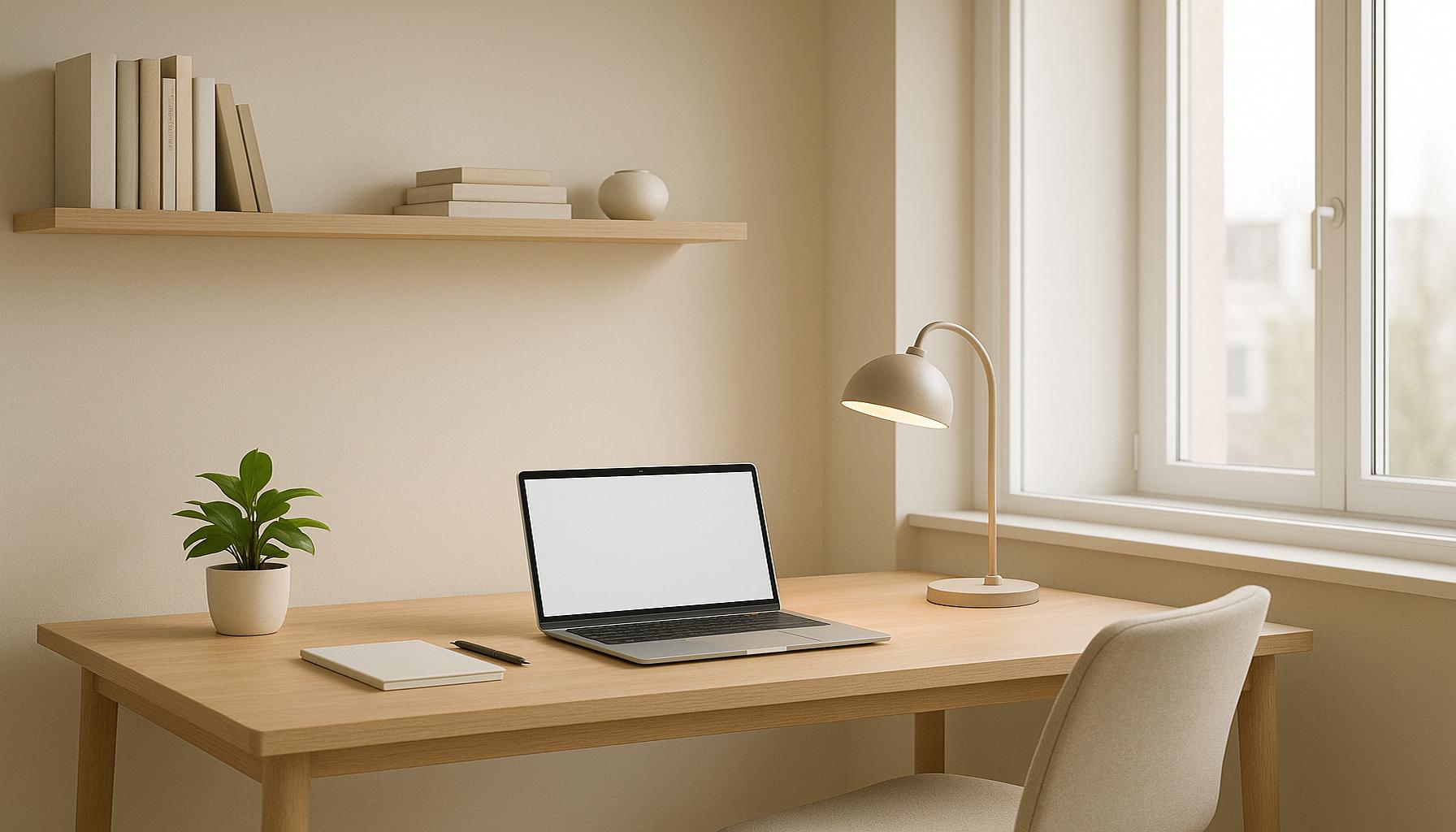
Embracing Minimalism in Your Home Office
In today’s fast-paced world, a cluttered workspace can lead to a cluttered mind. Creating a minimalist home office offers a fresh approach to enhance productivity and focus. With the right strategies, you can transform your workspace into a sanctuary of efficiency. The principles of minimalism, which emphasize simplicity and functionality, can have profound effects on your work life.
Minimalism is not just a design trend; it’s a way of living. By adopting this philosophy in your home office, you can benefit from:
- Improved focus: Reducing distractions helps streamline your thought process. Studies show that environments with fewer visual distractions allow for better concentration, which can lead to enhanced creativity.
- Increased productivity: A clean space promotes a clearer mindset. According to a survey by the National Association of Professional Organizers, people who keep their workspaces clean report higher levels of productivity and job satisfaction.
- Better organization: Fewer items mean more space to think and create. An organized environment enables you to locate necessary tools quickly, reducing time lost in searching for misplaced items.
Key Elements for a Minimalist Home Office
To successfully create an efficient and organized workspace, consider these essential elements:
- Decluttering: Remove unnecessary items that don’t serve a purpose. This can include old paperwork, unused gadgets, and decor that no longer resonates with you. A good rule of thumb is to ask yourself if an item adds value to your workspace, especially when it comes to productivity.
- Smart storage: Utilize functional furniture that doubles as storage. For instance, desks with built-in drawers can keep essentials out of sight while still within reach. Consider using wall-mounted shelves for books and reference materials, keeping your desk surface clear and tidy.
- Natural light: Position your desk near windows to enhance mood and energy. Research has shown that exposure to natural light not only boosts productivity but also improves overall well-being. When possible, incorporate plants into your workspace, as they can improve air quality and provide a calming effect.
Getting Started on Your Minimalist Journey
Are you ready to streamline your home office? The journey towards a minimalist workspace not only elevates your environment but also your overall productivity. Begin by setting specific goals for your space, like eliminating excess items or creating zones for different tasks. In the sections that follow, we’ll delve deeper into practical tips and tricks that can help you achieve the perfect minimalist workspace.
Additionally, consider exploring online resources or local workshops that focus on minimalism in home setups. Communities dedicated to this lifestyle often share valuable insights and strategies that can help you maintain your streamlined office in the long run. Embracing minimalism could very well be the key to unlocking your full potential—both personally and professionally.
Designing Your Minimalist Home Office
Creating a minimalist home office requires thoughtful consideration of the space and its purpose. Start by envisioning what an ideal workspace looks like for you. This vision will help guide your choices in furniture, decor, and organization techniques. When aiming for a sleek design, look for pieces that reflect simplicity and functionality.
Incorporating essential furniture is key to your minimalist setup. Select a desk that not only fits your style but also meets your work requirements. A simple desk with clean lines and a neutral color can provide a blank canvas for your creative endeavors. Some popular choices include standing desks that adjust to your preferred height, or compact desks that maximize every square foot of your home office. Alongside your desk, consider ergonomic chairs that promote comfort during long work hours while maintaining a streamlined appearance.
Color scheme plays a vital role in creating a calming atmosphere. Opt for a neutral palette that promotes tranquility, such as whites, grays, or soft earthy tones. These colors can make the room feel more spacious and allow for timeless appeal. Additionally, feel free to add accents of color through minimal artwork or personal items that spark joy, but remember, the goal is to keep it “less is more.”
Organizational Strategies for Minimalism
Efficient organization is imperative to maintain the clarity of a minimalist workspace. Here are several strategies to help you stay organized:
- Digital decluttering: In today’s tech-driven world, digital clutter can be just as distracting as physical clutter. Regularly organize files on your computer, delete unnecessary documents, and incorporate cloud storage options to reduce the number of items stored locally.
- Desk accessories: Optimize your desk with a few functional accessories. Consider using a cable organizer to minimize visible cords, or a minimalistic desk tray for holding important documents. The fewer items you have, the less you need to manage.
- Task-specific zones: Designate areas within your office for various activities, such as a reading nook or a brainstorming zone. Having a specific space for different tasks can enhance productivity and make it easier to switch gears.
By implementing these organizational strategies, you create an environment that encourages focus and efficiency. As you embark on your journey to craft a minimalist home office, remember that it’s about creating a space that empowers you, rather than restricting your creative flow. Keep questioning what’s necessary in your workspace and don’t hesitate to adjust as your needs evolve.
Essential Elements for Your Minimalist Home Office
Creating a minimalist home office goes beyond simply decluttering your space. It involves implementing strategic design principles that promote productivity and focus. Here are some essential elements to consider in your quest for an efficient and organized workspace.
1. **Essential Furniture Choices**
When selecting furniture for your minimalist home office, focus on pieces that serve multiple functions. For example, a desk with built-in storage or a chair that is both stylish and ergonomic can save space and enhance your comfort. Choose neutral colors and simple designs to maintain a cohesive look that fosters serenity.
2. **Smart Use of Lighting**
Lighting is crucial in a workspace, as it affects your mood and productivity. Natural light is ideal, so position your desk near a window. If natural light is limited, invest in quality task lighting that doesn’t contribute to clutter. Opt for sleek desk lamps that provide clear, direct light to your work surface while fitting seamlessly into the minimalist aesthetic.
3. **Prioritizing Vertical Space**
In a minimalist home office, maximizing vertical space is key. Consider wall-mounted shelves to keep books and essential documents organized and easily accessible. Utilize pegboards or hooks for hanging supplies, freeing up desk space for more critical tasks. This not only ensures a tidy environment but also keeps everything you need within reach.
4. **Technological Efficiency**
In the modern digital age, technology plays a pivotal role in our daily work. Choose devices that streamline your processes and reduce clutter, such as wireless printers and Bluetooth connections. Arrange your technology in a way that minimizes visible cords and enhances the clean lines of your workspace. Additionally, consider using apps for project management, reducing the need for paper and physical tools.
Exploring the Benefits of a Minimalist Design
Embracing a minimalist approach in your home office not only enhances organization but also contributes significantly to your overall well-being. A clean and simple workspace can reduce anxiety, boost focus, and drive creativity. The underlying philosophy of minimalism encourages you to prioritize what truly matters in your work life, leading to greater efficiency.
5. **Decluttering Mindset**
To maintain an organized workspace, adopt a decluttering mindset. Regularly assess your belongings and remove anything that does not serve a specific purpose. This practice can significantly enhance mental clarity and reduce distractions, helping you stay on task and maintain a productive workflow. The act of simplifying can be transformative, allowing you to concentrate more on your projects.By integrating these essential elements into your workspace, you create an environment that not only looks beautiful but is also optimized for performance. Whether you are a remote worker or a student, a minimalist home office can revolutionize the way you approach your tasks. Now, let’s take a look at the advantages of this design in a well-structured table.
| Category | Advantages |
|---|---|
| Space Efficiency | Minimalist design maximizes workflow by eliminating excess items and reducing distractions. |
| Enhanced Focus | A decluttered workspace contributes to improved concentration and productivity levels. |
Maximizing Space and Minimizing Distractions
In the quest for a minimalist home office, space optimization is critical. A clutter-free workspace enhances not only your physical environment but also your mental clarity. To make the most out of limited square footage, consider utilizing vertical space by adding shelves or wall-mounted storage solutions. These can house books, office supplies, and decorative items while keeping the floor area unobstructed. Wall organizers or pegboards are excellent tools for displaying essential items without contributing to a chaotic atmosphere.
Moreover, when furnishing your home office, flexibility is essential. Multi-functional furniture can help in making the most out of smaller spaces. For example, a desk that doubles as a meeting table or a storage cabinet can drastically improve the utility of your office. Investing in collapsible furniture or foldable desks can also offer you the versatility to adapt the space as needed—for instance, expanding your workspace during busy hours or tucking away furniture when not in use.
The Role of Lighting in Your Workspace
Lighting greatly influences both the functionality and aesthetics of a minimalist home office. Natural light is ideal; it can boost your mood and productivity while minimizing eye strain. Position your desk near a window if possible and incorporate sheer curtains to filter light while maintaining privacy. If you find that natural light is limited, select LED desk lamps with adjustable brightness settings to provide adequate illumination without being harsh or distracting. Soft, warm-toned bulbs tend to create a more inviting atmosphere, essential for cultivating a comfortable work environment.
Furthermore, consider the placement of lighting elements. Having layered lighting—overhead lights combined with task lighting—can create a more versatile environment that adapts effortlessly to different tasks and times of day. This way, you can focus on your work with minimal visual distractions.
Incorporating Personal Touches Mindfully
While a minimalist home office should prioritize functionality and simplicity, it’s essential to incorporate personal touches that resonate with your identity without disrupting the minimal aesthetic. Select a few meaningful art pieces or photographs that inspire you but avoid overcrowding the walls. A single framed print or a curated collection of a few personal items can encapsulate your personality while maintaining a clean and organized look.
- Plants: Adding greenery can enhance air quality while providing a refreshing element to your workspace. Choose low-maintenance plants like succulents or pothos that require minimal effort to care for yet offer visual appeal.
- Decluttered bookshelves: If you have a bookshelf, stick to a select number of your favorite books or essential resources. This reduces visual clutter while still offering a touch of personality to your environment.
- Color accents: If you wish to implement bursts of color, limit these to a few carefully chosen accessories such as a vibrant mousepad or a unique pencil holder.
By incorporating mindful personal touches, you can foster an environment that feels uniquely yours while still adhering to minimalist principles. The goal is to create a workspace that embodies simplicity and efficiency without sacrificing your individuality.
Conclusion
In the journey of creating a minimalist home office, the balance between functionality, organization, and personal expression is key. A well-organized and efficient workspace not only fosters productivity but also promotes mental clarity, allowing you to focus on what truly matters—your work. By strategically maximizing space and minimizing distractions with flexible furniture and vertical storage solutions, you can transform even the smallest areas into dedicated work environments.
Furthermore, the role of lighting cannot be understated; ensuring your workspace is well-lit, preferably with natural light, contributes significantly to your productivity levels and overall mood. Incorporating layers of lighting creates a dynamic environment that adapts to various tasks, keeping motivation high and distractions at bay.
Moreover, personal touches can enhance the aesthetic of your minimalist home office without overwhelming it. Thoughtfully chosen decor, along with elements like greenery and curated books, can infuse personality into your workspace while adhering to minimalist principles. This delicate balance allows you to create a space that feels uniquely yours, all while maintaining an organized and efficient environment.
In summary, embracing a minimalist approach to your home office can yield numerous benefits, from improved focus to a boosted sense of calm. As you embark on this journey, remember that every detail counts, and each item should serve a purpose—both functionally and personally. By continually evaluating and refining your workspace, you’ll cultivate an environment that not only supports your professional endeavors but also enhances your overall well-being.
Related posts:
The Art of Letting Go: How Minimalism Transforms Home Organization
Essential Tools for Home Organization: Streamlining Your Space with Minimalist Principles
The Art of Letting Go: How Minimalism Transforms Your Home into an Organized Space
The Importance of Routine in Maintaining a Minimalist Organization
Digital Organization: Maintaining a Minimalist Lifestyle in the Technology Era
Functional Home Organization Boost Productivity Serenity Spaces

Linda Carter is a writer and organization expert specializing in minimalism and personal organization. With extensive experience helping individuals create clutter-free, functional spaces and adopt mindful habits, Linda shares her knowledge on our platform. Her goal is to empower readers with practical advice and strategies to simplify their lives, stay organized, and achieve a sense of calm and balance in their daily routines.