Integrating Minimalism in Office Furniture Selection
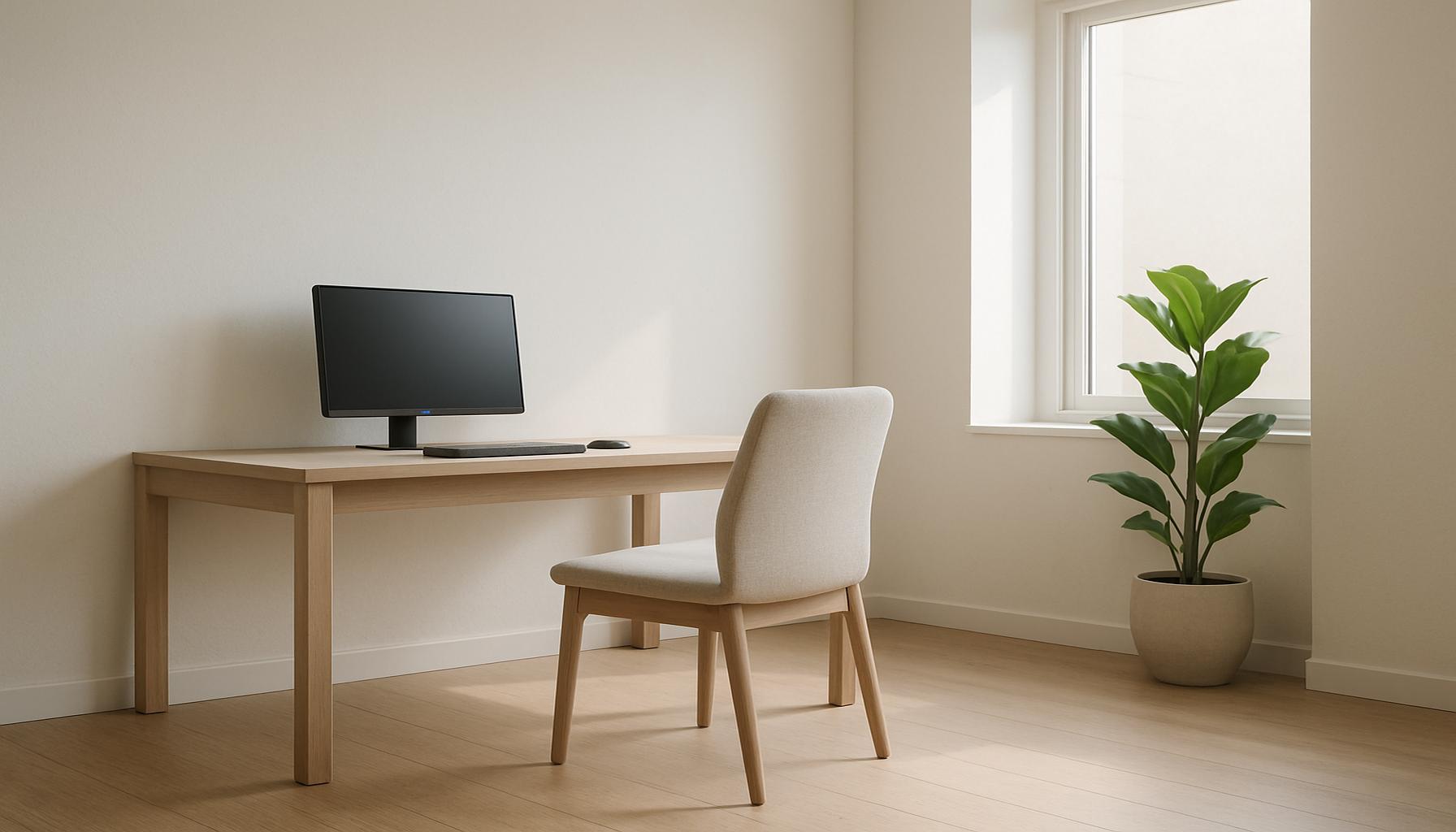
Transforming Workspaces with Minimalism
In today’s fast-paced world, a clutter-free environment can significantly boost productivity and creativity. Embracing minimalism in office furniture selection is not just a trend; it’s a lifestyle choice that promotes efficiency and tranquility. Design experts emphasize that a well-thought-out workspace can lead to improved focus and morale, factors that are crucial in achieving optimal performance in any business setting.
Minimalist design focuses on simplicity, functionality, and quality. Here are some key attributes to consider when integrating minimalism into your workspace:
- Sleek Designs: Look for furniture with clean lines and understated elegance. Tables with geometric shapes and storage units that blend with the wall can encourage an uncluttered environment. Brands like Muji and IKEA offer an array of sleek options that embody this aesthetic, ensuring that each piece serves its purpose without overwhelming the space.
- Neutral Color Palettes: Choose colors that evoke calm, like whites, grays, and earth tones. These hues not only make spaces feel more expansive but also create a soothing backdrop that can decrease anxiety during busy workdays. For instance, a combination of warm whites and soft taupes can establish a serene atmosphere, encouraging a clearer focus on tasks at hand.
- Multipurpose Furniture: Prioritize pieces that serve multiple functions, like desks with built-in storage. This can include furniture that easily transforms from a workstation to a collaborative meeting spot. Look for items like expandable tables or modular shelving systems that adapt to your changing needs, which is especially beneficial in smaller office spaces.
The ethos of minimalism encourages the elimination of unnecessary elements. This approach not only leads to a more organized space but also enhances the overall aesthetic. By consciously selecting furniture, you shape a workspace that prioritizes utility and clarity, fostering a productive mindset. Consider how each piece can contribute to a positive work atmosphere; for example, incorporating a dedicated space for plants can improve air quality and add a touch of nature’s serenity to your surroundings.
As you delve deeper into the world of minimalist office furniture, explore how various options can align with your specific needs. Whether you’re redesigning an existing office or starting fresh, the principles of minimalism offer a solid foundation for creating an inspiring workspace. In addition, examine elements like lighting, which can also be simplified to enhance the minimalist aesthetic; natural light is preferred while adjustable LED desks can offer flexibility in illumination. Ultimately, the journey towards a minimalistic workspace is not simply about aesthetics but about fostering an environment that encourages innovation and collaboration.
Key Considerations for Minimalist Office Furniture
When it comes to integrating minimalism in office furniture selection, understanding the fundamental principles of minimalist design is essential. It is not merely about reducing clutter; rather, it is about creating an environment that promotes focus and productivity through intentional choices. Here are some pivotal aspects to consider as you curate a minimalist workspace:
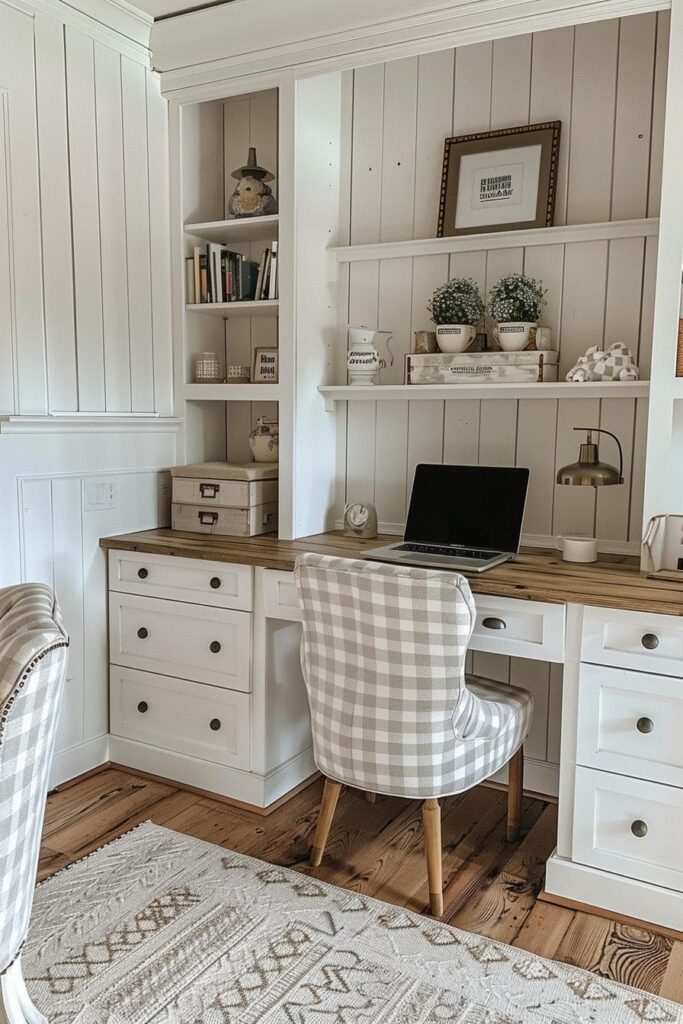
- Function Over Form: In minimalist design, functionality takes precedence. Choose furniture that effectively meets the needs of your work environment. For example, desks should accommodate computers and necessary tools without excess space that invites clutter. Look beyond aesthetics to ensure that each piece enhances your workflow and supports your daily tasks.
- Quality Materials: Invest in high-quality materials that not only last longer but also elevate the overall feel of the workspace. Whether it’s natural wood, metal accents, or durable fabrics, the right materials can significantly enhance the minimalist aesthetic. For instance, a simple oak desk paired with sleek metal chairs can create a sophisticated yet functional workspace.
- Vertical Space Utilization: Minimalism thrives on using vertical space to maximize efficiency. Tall bookshelves, wall-mounted storage, and overhead cabinets can help keep the floor area spacious while providing ample storage solutions. This practice not only keeps items organized but also maintains the serene atmosphere that minimalism promotes.
- Smart Technology Integration: In an age where technology is integral to productivity, consider how minimalism can extend to tech. Seamlessly integrated charging stations, wireless connectivity solutions, and software that minimizes physical paperwork can streamline daily operations while maintaining a clean surface. Embracing technology should enhance the minimalist theme, not clutter it.
As you consider these factors, remember that the essence of minimalism lies in reducing what is unnecessary while retaining what is essential. To that end, evaluate your existing furniture: does each item contribute positively to your workspace, or does it detract from the intended simplicity? The process of selection can initiate a thoughtful dialogue about what you truly need in your office environment.
Emphasizing minimalism in office furniture selection can bring about transformative changes not only in the physical workspace but in the mindset of those working within it. A space designed with minimalism in mind can foster a culture of clarity and focus, serving as a foundation for innovative thinking and productive teamwork. For businesses seeking a competitive edge, embracing minimalist principles is not just a design choice; it is a strategic advantage.
| Advantages | Key Features |
|---|---|
| Enhanced Focus | A minimalist environment reduces distractions, promoting better concentration on tasks. |
| Improved Space Utilization | Minimalist furniture typically occupies less space, allowing for more efficient layouts. |
| Cost Efficiency | Fewer items mean less expense; minimalism promotes selecting quality over quantity. |
| Timeless Aesthetics | Sleek and simple designs often stay in vogue longer, reducing the need for frequent updates. |
| Environmental Benefits | Choosing fewer pieces made from sustainable materials can enhance eco-friendliness. |
Integrating minimalism into office furniture selection can yield substantial benefits, not just in terms of aesthetics but also in functionality and sustainability. By incorporating fewer, well-chosen pieces, businesses can create an environment that fosters creativity and productivity. It’s essential to consider how streamlined furniture can lead to a more organized workspace, helping employees focus on their goals. Moreover, the concept of minimalism encourages a thorough inspection of every item brought into the office, making it easier to identify which aspects truly serve a purpose. Engaging with these principles can transform a cluttered workspace into a modern, serene environment that resonates well within today’s fast-paced work culture.
Creating a Harmonious Workspace
To foster a truly minimalist workspace, the focus should shift beyond individual furniture pieces to the overall layout and ambiance of the office. Achieving harmony in your office design involves a careful consideration of spatial arrangement, color palettes, and lighting — all of which direct attention toward functionality and simplicity while eliminating visual noise.
Spatial Arrangement
The layout of your office plays a pivotal role in embracing minimalism. Adopting an open floor plan can enhance collaboration and communication among team members, encouraging an atmosphere of transparency and creativity. Furniture should be spaced adequately to allow easy movement and avoid overcrowding. Use strategic arrangements to foster teamwork without compromising personal space. For example, cluster workstations with shared resources, such as a communal table for brainstorming sessions, while maintaining individual desks that are clean and minimalist in design.
Color Palettes
Color selection is crucial in establishing a minimalist aesthetic. Opt for a cohesive color palette that promotes calmness and focus. Neutral colors such as white, gray, and soft earth tones can create a serene backdrop, allowing for small pops of color through accent pieces like cushions or artwork. Utilizing monochromatic schemes can enhance visual tranquility, making it easier for employees to concentrate on their tasks without the distraction of clashing colors or chaotic patterns.
Lighting Enhancements
Effective lighting is another key element in creating a harmonious minimalist workspace. Natural light should be maximized wherever possible, as it not only enhances the physical space but also contributes to the mental well-being of employees. Large windows or glass partitions can invigorate your office environment by incorporating sunlight. Where natural light is limited, invest in LED lighting with adjustable brightness that can be customized to different tasks, promoting comfort while maintaining the minimalist ethos of simplicity and efficiency.
Incorporating Greenery
Introducing plants into a minimalist office setup is an excellent way to enhance both aesthetics and air quality. Select low-maintenance varieties such as snake plants or pothos that contribute to the calming environment without introducing clutter. Strategically placing greenery within the workspace fosters a sense of connection with nature, reduces stress levels, and promotes productivity without overwhelming the minimalist design.
Personalization Without Clutter
While minimalism emphasizes simplicity, it is also important for employees to feel a sense of ownership over their workspaces. Encourage personalized touches that reflect individual styles without compromising the minimalist aesthetic. Opt for small, meaningful decor items like framed photographs or inspirational quotes in subtle frames. These personal touches can enhance motivation, creativity, and comfort, transforming a minimalist setup into a truly inviting workspace.
As you maneuver through the process of integrating minimalism in office furniture selection, continue to introspectively assess how each element works together to create an environment that not only delights in its simplicity but also invites innovation and focused engagement. Balancing minimalism with functional and aesthetic considerations can lead to an office space that supports both daily operations and long-term goals for success.
Embracing Minimalism for a Productive Office
Incorporating minimalism into office furniture selection is more than just a trend; it is a transformative approach that shapes the way we work. By focusing on functional design, thoughtful color choices, and an intentional layout, businesses can create environments that not only reflect modern aesthetics but also enhance productivity and well-being. The principles of minimalism encourage a workspace free from clutter, allowing employees to concentrate on what truly matters — their work.
As discussed, aspects such as spatial arrangement, effective lighting, and the introduction of greenery play crucial roles in achieving a balanced and cohesive environment. By maximizing natural light and using wisely chosen color palettes, companies can foster a sense of peace and clarity. Additionally, the strategic introduction of plants can elevate the atmosphere, making the office feel more inviting and alive.
Personalization within a minimalist framework is another essential consideration. While simplicity is key, allowing employees to infuse their workspaces with subtle, meaningful personal touches can heighten their sense of engagement and comfort. This delicate balance between individuality and minimalism not only encourages ownership but also boosts motivation.
Ultimately, integrating minimalism in office furniture selection holds the potential to redefine workspaces, leading to increased efficiency and employee satisfaction. For businesses looking to thrive in a fast-paced world, a minimalist office design might just be the secret ingredient to a successful future. As you explore these principles, remember that every choice should align with your overarching vision for a harmonious and productive workplace.
Related posts:
How Lighting and Color Influence the Organization of the Workspace
The Importance of Choosing Minimalist Furniture in Organizing the Workspace
How Workplace Organization Can Increase Productivity in Minimalist Environments
Declutter Your Workspace Minimalist Sanctuary Transformation Guide
How Minimalism Can Transform Your Workspace into a Productive Environment
Digital Organization Tips to Enhance a Minimalist Workspace

Linda Carter is a writer and organization expert specializing in minimalism and personal organization. With extensive experience helping individuals create clutter-free, functional spaces and adopt mindful habits, Linda shares her knowledge on our platform. Her goal is to empower readers with practical advice and strategies to simplify their lives, stay organized, and achieve a sense of calm and balance in their daily routines.