How to Create a Minimalist Workspace at Home
Transform Your Work Environment
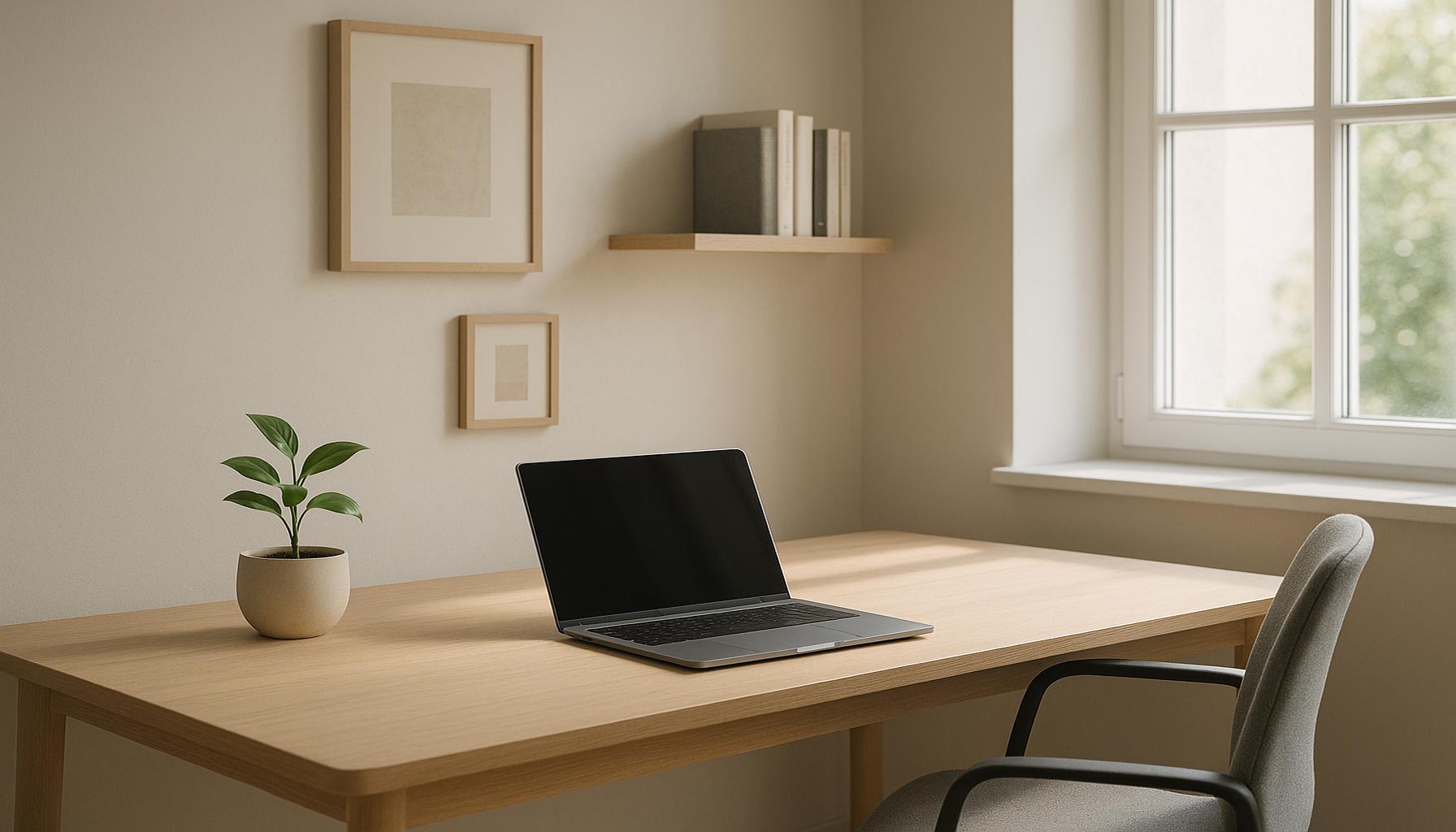
A cluttered workspace can be a significant source of distraction and stress, ultimately impacting your productivity and mental well-being. Embracing a minimalist approach involves paring down your workspace to the essentials, creating an environment that both fosters focus and encourages creativity. The appeal of a minimalist workspace extends beyond aesthetics; it embodies a philosophy of clarity and purpose.
Decluttered Surfaces: When tables and desks are free from unnecessary items, they contribute to a serene atmosphere that minimizes visual distractions. A clean workspace can have a profound effect on your mindset; for instance, research published in organizational psychology suggests that individuals in tidy environments tend to work more efficiently and feel less overwhelmed. By adopting a habit of regularly clearing your workspace, you create a routine that helps maintain this calm, organized space.
Essential Tools Only: Keeping only the necessary items at arm’s reach not only reduces clutter but also promotes efficiency. Think of the tools you use every day; perhaps it’s your laptop, a notepad, and a pen. By limiting the number of items you keep on display, you can streamline your work process. For instance, eliminating multiple coffee mugs or stacks of paper can provide more space for your daily to-do list, allowing for seamless transitions between tasks.
Calming Aesthetics: Neutral colors and simple designs enhance mental clarity, contributing to a more effective working atmosphere. Interior designers often recommend soft whites, beiges, or muted pastels that can foster focus without overwhelming the senses. Studies have shown that environments painted in calming colors are associated with increased productivity. Moreover, adding elements of nature, such as small indoor plants, can improve air quality and create a refreshing ambiance.
Creating a minimalist workspace involves a thoughtful selection of key elements:
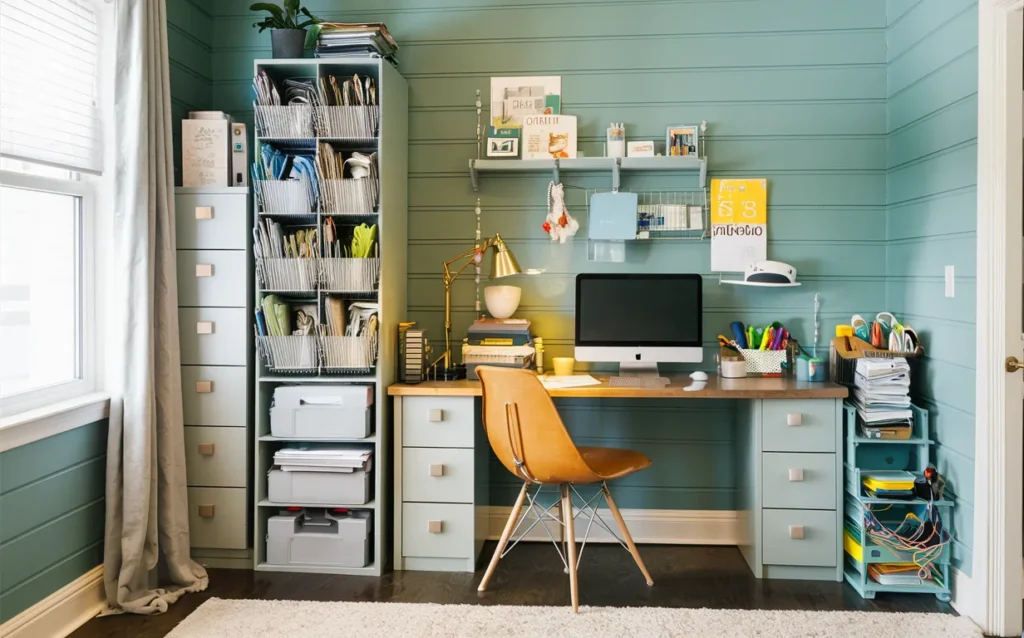
- Furniture Selection: Invest in multifunctional furniture, such as desks that incorporate storage solutions or compact chairs that double as seating for guests. This allows you to maximize your space in an efficient manner.
- Organizational Solutions: Utilize hidden storage solutions like under-desk drawers or decorative boxes to keep distractions at bay. The goal is to create zones in your workspace that are clearly defined, allowing for dedicated areas for specific tasks.
- Personal Touches: It’s important to incorporate a few personal items that inspire you without overwhelming the minimalist ethos. A well-placed piece of art, a framed photograph, or a unique decorative item can provide motivation while maintaining a clean aesthetic.
As you embark on the journey to create your own minimalist workspace, keep in mind the ultimate goal: to design a place that not only allows you to work efficiently but also nurtures a sense of calm and ease. By adopting these principles, you have the potential to transform your work-life balance, enhancing both your productivity and overall well-being. Ready to dive into the essentials of minimalist design?
Establishing the Foundation of Minimalism
Creating a minimalist workspace at home starts before you even sit down at your desk. It requires an intentional approach to evaluating what you truly need and what can be left behind. The first step is to conduct a thorough assessment of your current workspace. Look around you; what items clutter your desk? Are there supplies that you haven’t touched in months? By identifying what’s essential and what merely consumes space, you can begin the process of refining your environment into a more focused and functional workspace.
Start with a Clean Slate: Before introducing new elements, take the time to declutter your workspace completely. This means emptying your desk, removing everything from shelves, and even clearing the floor space surrounding your area. Consider using a strategy like the Four-Box Method, where you categorize items into four boxes: keep, donate, trash, and storage. This technique not only simplifies decision-making but also helps in understanding what items genuinely serve your needs. Keeping surfaces clear and intentional aids in fostering a calm workspace that nurtures productivity.
Set Clear Objectives: Think about what you want to achieve in your workspace. A minimalist environment may necessitate reevaluating your daily tasks and goals. Ask yourself: Is your desk set up to accommodate your workflow? Are there specific tools that enhance your productivity, or are you surrounded by distractions? Document your answers to clarify your workspace intentions. For example, if you frequently find yourself creating various lists, retaining a small notepad and pen may be vital, while unnecessary gadgets can likely be removed.
Creating Functional Zones: A minimalist workspace promotes efficiency by establishing focused areas for different tasks. To achieve this, consider separating your workspace into clearly defined zones:
- Work Zone: This is where the magic happens. Ensure your computer, essential documents, and writing tools are easily accessible.
- Storage Zone: Keep items organized in drawers or decorative boxes to minimize visual clutter. This might include files, office supplies, or extra technology.
- Inspiration Zone: Include a small space for personal items that inspire you. This could be a unique plant, an inspiring book, or an artwork piece that sparks creativity.
By segmenting your workspace, you promote a seamless flow that can enhance both creativity and functionality. For instance, incorporating a designated “inspiration zone” can create an eye-catching focal point that rejuvenates your outlook during long working hours.
As you begin crafting your minimalist workspace at home, remember that the journey is personal. Each decision should resonate with your unique needs and preferences, paving the way for an efficient, inspiring, and decluttered environment. It’s about more than just aesthetics; it’s about creating a sanctuary for your creativity and productivity to flourish.
Creating a minimalist workspace at home is not only about decluttering but also about enhancing your productivity and wellbeing. Here, we delve into some essential strategies that will guide you in designing a space that fosters focus and creativity.First, consider the furniture choices that align with a minimalist aesthetic. Opt for multifunctional pieces that serve more than one purpose, such as a desk with built-in storage or a chair that can double as a guest seat. This allows you to maintain a clean environment while maximizing utility. Look for items made from natural materials that complement a simple design and promote a peaceful atmosphere.Next, focus on color schemes. A minimalist workspace often utilizes a muted palette—think whites, greys, and soft pastels. These colors can help create a soothing backdrop, reducing visual clutter and anxiety. Incorporating plants can add a pop of color and enhance air quality, while also maintaining that simplistic vibe. Choose low-maintenance varieties like succulents or snake plants for an effortless aesthetic.When it comes to organization, clear surfaces are paramount. Use concealed storage solutions such as drawers or boxes that can hide away unnecessary items. Limit the number of decorative objects to one or two meaningful pieces, as this not only elevates the overall design but also brings joy to your work environment without overwhelming it.Finally, pay attention to lighting. Natural light is essential in a minimalist workspace. Position your desk near a window to take advantage of daylight, which can improve mood and productivity. If natural light is limited, invest in a good quality desk lamp with adjustable brightness to suit your working preferences.These strategies will not only help you cultivate a minimalist workspace but can also lead to more focused work sessions, improved stress levels, and ultimately, greater satisfaction in your daily productivity. Explore the integration of these principles into your home office and witness the transformational benefits of living and working with less.
Curating the Essentials for Efficiency
Once you’ve established the foundational principles for your minimalist workspace, it’s time to curate the essentials that will not only serve your needs but also enhance your productivity. Every item in a minimalist workspace should have a purpose or contribute to your overall well-being while you work. This demands a conscious selection process to ensure that only the most functional and inspiring elements remain.
Choosing the Right Furniture: The furniture in your workspace can significantly influence your work experience. Opt for multifunctional pieces that maximize space utilization. A desk with built-in storage can keep supplies out of sight, while a comfortable, ergonomically designed chair is crucial for maintaining good posture during long hours of work. Consider pieces that are minimalist in design, such as a sleek, wooden desk that complements a serene aesthetic, while also matching your personal style.
Optimizing Technology Use: In today’s fast-paced digital world, technology plays a pivotal role in our productivity. However, it can also lead to chaos if not managed properly. Assess the devices you truly need for your tasks—laptops, tablets, or monitors—and eliminate redundancy. For instance, if you primarily work from a laptop, having a separate monitor may not be essential. Additionally, keep your cabling under control; consider using cable organizers or even wireless options to create a cleaner look that enhances focus rather than distracts.
Incorporating Organizational Tools: A well-organized workspace is a hallmark of minimalism. Invest in a few carefully selected organizational tools that will aid in keeping your workspace efficient. Use drawer organizers, file cabinets, or wall-mounted storage solutions to manage paperwork and office supplies effectively. For example, a simple wall grid can hold important documents or inspirational quotes, making them visible without taking up desk space. You can also leverage digital organization tools like cloud storage systems to minimize physical documents further.
The Power of Color and Light: The color scheme and lighting in your workspace can drastically impact your mood and motivation. Choose a calming palette that reflects minimalism; neutral tones such as white, gray, or soft pastels can create a soothing atmosphere. Adding natural elements, like plants or wooden accents, can also foster freshness and positivity. Furthermore, consider the lighting—opt for natural light whenever possible, as it can enhance your focus and states of mind. When natural light is unavailable, invest in adjustable and ambient lighting that reduces eye strain and enhances comfort.
Personalizing Responsibly: While minimalism encourages removing excess items, it’s essential to inject a sense of personalization into your workspace. Curate a few decorative items that resonate with you, whether it’s a framed photo, a motivational print, or an object that fosters creativity. However, be discerning—ensure that these items contribute positively to your focus and do not clutter your visual field. A single piece of art can dramatically transform an empty wall while maintaining the minimalist ethos of simplicity.
As you embrace minimalism in your workspace, remember that this is a mindful process centered on your needs and preferences. By thoughtfully selecting items, optimizing technology, and playing with color and light, you can create an environment that is not only functional but also deeply personal and conducive to your productivity. Minimalism is not an endpoint but an ongoing journey toward maximum efficiency and serenity in your day-to-day work life.
Embracing Simplicity for Productivity
Creating a minimalist workspace at home is more than just a design choice; it’s a lifestyle that emphasizes clarity, focus, and efficiency. As we have explored the various elements that contribute to this serene environment, it becomes clear that every piece you choose to include should be intentional. By curating essentials and optimizing your setup, you foster a space that reduces distractions and encourages productivity. The right furniture, carefully selected technology, and organized tools play a crucial role in achieving this goal.
Furthermore, the impact of color and light can transform the atmosphere of your workspace, making it a source of inspiration rather than a place of chaos. Incorporating personal touches is essential, but it’s vital to remember that less is often more; choose items that motivate you without overwhelming your senses. Research has shown that clean, uncluttered environments can significantly boost concentration and overall well-being, making minimalism an effective strategy for those working from home.
As you embark on this journey of simplification, remain open to reevaluating your space periodically. Minimalism is not a destination but an evolving practice that adapts to your changing needs and preferences. By embracing these principles, you can create a workspace that not only enhances your productivity but also brings a sense of calm and purpose to your daily routine. In a world filled with distractions, a minimalist workspace offers a sanctuary where creativity and focus thrive.
Related posts:
Digital Minimalism: Organizing Your Virtual Space for a Clutter-Free Life
Organization of Closets: Tips for a Minimalist and Functional Wardrobe
Organization Strategies for Small Spaces: Minimalism in Urban Apartments
The Art of Letting Go: How Minimalism Transforms Your Home into an Organized Space
Master the Art of Letting Go Home Organization for Minimalist Living
Essential Tools for Home Organization: Streamlining Your Space with Minimalist Principles

Linda Carter is a writer and organization expert specializing in minimalism and personal organization. With extensive experience helping individuals create clutter-free, functional spaces and adopt mindful habits, Linda shares her knowledge on our platform. Her goal is to empower readers with practical advice and strategies to simplify their lives, stay organized, and achieve a sense of calm and balance in their daily routines.