Transforming Small Spaces with Principles of Minimalism and Organization
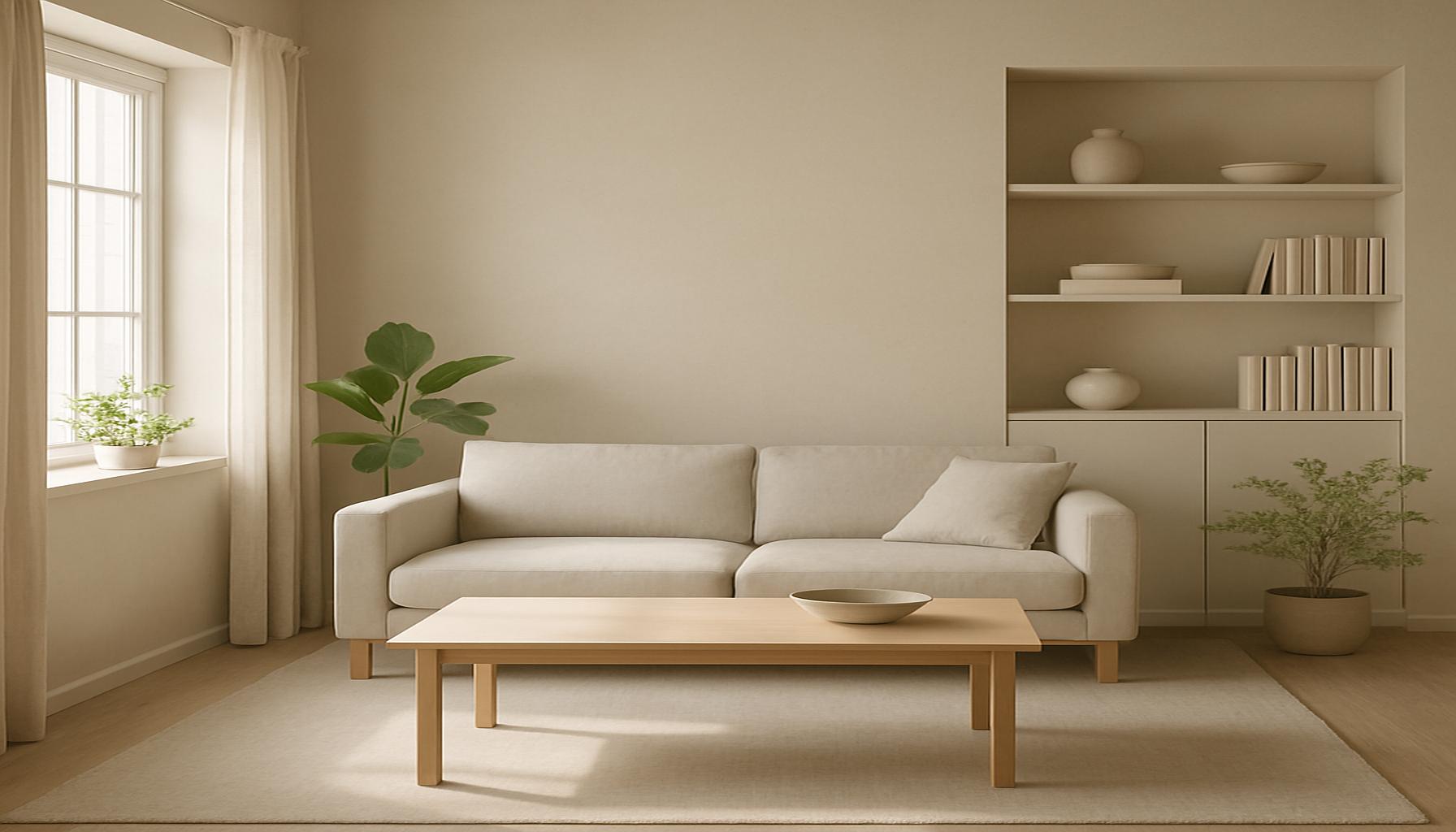
Unlocking the Potential of Your Space
Every square foot in your home should serve a purpose. Small spaces can feel cramped, but with the right approach, they can become cozy sanctuaries. By embracing minimalism and effective organization, you can transform any area into a functional oasis. By prioritizing efficiency and aesthetic appeal, you can not only maximize your space but also create an environment that nurtures relaxation and productivity.
- Clutter Reduction: Start by eliminating items that no longer serve you. Ask yourself if each object has value or purpose in your life. For example, consider donating clothes you haven’t worn in a year or recycling old books that no longer spark joy.
- Smart Storage: Utilize vertical spaces and multi-functional furniture. This might include wall-mounted shelves to draw the eyes upward or a storage ottoman that combines seating with hidden storage. Creative organizational tools, like magnetic strips for kitchen utensils or under-bed storage, can transform ordinary areas into organized havens.
- Open Layouts: Fostering an unobstructed flow improves usability. An open layout, whether it be a combined living and dining space or a decluttered hallway, can make your home feel larger and more inviting.
Understanding and applying the principles of minimalism can breathe new life into your surroundings. You’re not just decluttering; you’re creating an environment that promotes peace and creativity. Imagine a room where every item is intentional, fostering a sense of clarity and freedom. By intentionally choosing what enters your home, you open up opportunities for new experiences and ideas.
Minimalism isn’t just a trend; it’s a lifestyle choice embraced by many in the United States. The movement challenges individuals to reconsider their consumption habits and prioritize quality over quantity. As urban living spaces become tighter and lifestyles busier, there is an ever-growing appreciation for simplified living:
- Increased Productivity: Fewer distractions lead to greater focus. Research indicates that environments with less clutter can positively impact cognitive performance, allowing for clearer thinking and improved problem-solving skills.
- Enhanced Aesthetics: Clean lines and spaciousness promote visual harmony. Many minimalists favor neutral color palettes, which can create a calm and serene atmosphere, especially in small spaces.
- Emotional Well-Being: A decluttered space can elevate your mood. Studies have shown that environments free from clutter can help reduce feelings of stress and anxiety, fostering overall emotional health.
In the upcoming sections, we will explore practical tips and inspiring examples that can help you transform small spaces into areas of joy and efficiency. Discover how minimalism and organization can work together to help you live better with less. Imagination and thoughtful planning will guide your journey, revealing the transformative power of simplicity in daily life.
Embracing Minimalism: The Key to Small Space Transformation
To successfully transform small spaces, one must first embrace the philosophy of minimalism. This lifestyle encourages individuals to focus on what truly matters in their living spaces, promoting a sense of freedom and lightness. By adopting a minimalist mindset, you shift your perspective from merely filling a space to thoughtfully curating an environment that reflects your values and aspirations.
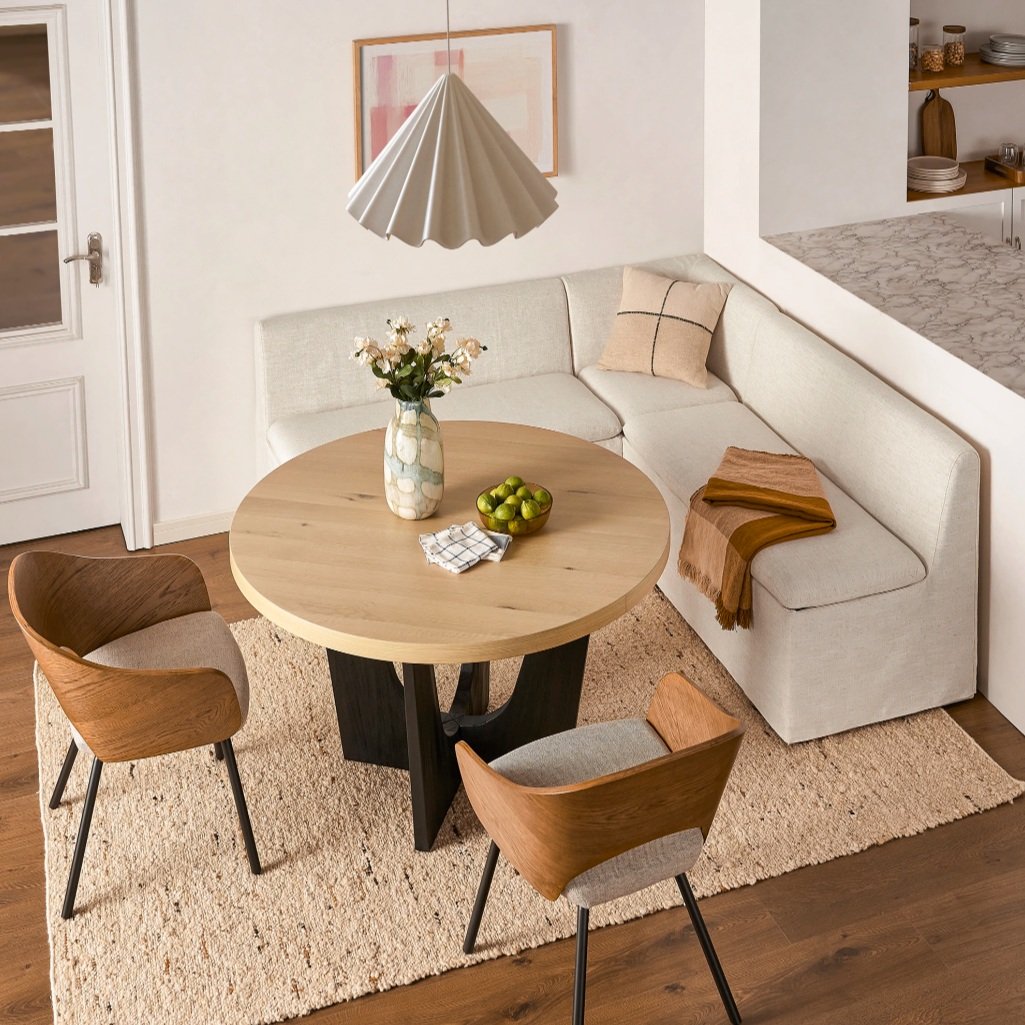
As you navigate the world of minimalism, consider the following key principles that can guide your transformations:
- Intentional Living: Every item in your space should have intention and purpose. This means consciously selecting each piece of furniture, decor, and accessory based on whether it adds value or joy to your life. Engaging with your possessions in this way fosters an appreciation for simplicity and quality.
- Functional Design: In small spaces, functionality reigns supreme. Opt for furniture that serves multiple purposes, such as a dining table that doubles as a work desk, or a daybed that functions as both a sofa and a bed. By prioritizing functional design, you can minimize clutter while maximizing usability.
- Zoning and Segmentation: Effective zoning creates distinct areas for work, relaxation, and social interaction, even in a compact environment. Using rugs, furniture arrangement, or even decorative screens can help visually delineate spaces while maintaining an open feel. This segmentation not only enhances the aesthetics but also improves daily functionality.
Integrating these principles of minimalism into your home environment can significantly influence your overall lifestyle. A well-organized space fosters a sense of clarity that positively impacts your daily routines and mental state. Furthermore, as urban centers continue to develop, many individuals are experiencing the benefits of minimalism more than ever before. According to a 2022 survey by the National Association of Realtors, 70% of homebuyers in urban areas prioritize open space concepts, highlighting the growing preference for functionality and simplicity in modern living.
Moreover, as more people turn to remote work, the need for comfortable and organized home environments has become essential. An organized and minimal space can greatly improve productivity levels, creating a dedicated atmosphere where work can thrive alongside relaxation. In a study published in the Journal of Environmental Psychology, participants in clutter-free environments reported higher energy levels and creativity, further emphasizing the importance of an organized space for enhancing emotional well-being.
Curating your small space through the lens of minimalism means more than just decluttering; it’s about creating a lifestyle that prioritizes peace, tranquility, and inspiration. As we delve deeper into the practical aspects of this transformation journey, you will discover creative strategies and transformative ideas that will help you tap into the full potential of your living space, enabling you to live not just with less, but with more intention and clarity.
| Advantage | Description |
|---|---|
| Maximized Functionality | With minimalism and organization, every inch serves a purpose, allowing you to utilize your small space effectively. |
| Aesthetic Appeal | A well-organized, minimalist space enhances the visual appeal, promoting a serene atmosphere that reduces stress. |
Transforming small spaces with the principles of minimalism and organization not only optimizes the layout but also highlights your unique lifestyle. One significant advantage is the maximization of functionality. When applying minimalist concepts, every item is purposefully selected, ensuring that your limited space serves multiple roles, such as a dining area transforming into a workspace with ease.Moreover, the aesthetic appeal of a tidy, minimalist environment cannot be overstated. Embracing simplicity cultivates a visually pleasing atmosphere, driving away chaos and fostering tranquility. This organized living area becomes a sanctuary where you can recharge and focus on what truly matters.By blending these principles, homeowners can create an inviting and versatile space that reflects their personality while ensuring practicality. This approach not only elevates your living conditions but also encourages a lifestyle shift towards intentionality and mindfulness. Investigate how you can integrate these methods into your home and witness tangible benefits.
Maximizing Space: Organization Meets Aesthetic Harmony
After embracing minimalism, the next step in transforming small spaces revolves around the art of organization. Effective organization not only brings an immense sense of order but also enhances the overall aesthetic appeal of your environment. Here are several strategies tailored to help you achieve a harmonious and functional living space.
- Innovative Storage Solutions: Take advantage of vertical space by incorporating shelving units that go all the way up to the ceiling. Floating shelves are not only stylish but also incredibly effective at holding books, plants, or decorative items without using valuable floor space. Multi-functional furniture pieces, such as ottomans with hidden storage or beds with built-in drawers, also offer versatile options for stowing away belongings without sacrificing style.
- Decluttering Regularly: Implement a routine for decluttering, allowing you to reevaluate your possessions periodically. Adopt the ‘one in, one out’ rule—if you bring something new into your home, ensure that you remove something else. This practice helps maintain balance and enables you to keep your space looking effortless and intentional.
- Use of Transparent or Multipurpose Containers: For smaller items, consider utilizing transparent bins or baskets. This approach not only provides an organized appearance but also allows you to quickly locate items without rummaging through clutter. Label containers to streamline the process even further, thus boosting efficiency in your daily routines.
Furthermore, organization enhances the mindfulness aspect of a minimalist lifestyle. By consciously determining what you keep and how you store it, you cultivate an environment that truly serves your needs. A 2022 study published in the International Journal of Organizational Psychology found that individuals within organized workspaces report 60% lower stress levels, demonstrating the connection between orderliness and emotional well-being.
To amplify the calming effects of a well-organized space, consider the role of color and decor. The right choices can create an inviting atmosphere while remaining minimalist. Opt for a neutral color palette with pops of accent colors that soften the aesthetics without overwhelming the senses. Natural materials, such as bamboo or reclaimed wood for furniture, also contribute to a serene environment, echoing simplicity and elegance.
Inspiration Through Nature
Another trend that perfectly complements minimalism and organization is biophilic design, which promotes the integration of nature into living spaces. Incorporate plants into your small area, as they not only purify the air but also enhance your mood. Studies have shown that even just a few houseplants can increase feelings of happiness and well-being, making them a natural addition to your organized space.
Furthermore, employing natural light through strategic placement of mirrors or sheer curtains can help trick the eye into perceiving a larger area. Reflective surfaces can enhance brightness and create a sense of openness, making your space feel less claustrophobic. A 2023 report by the American Society of Interior Designers noted that 85% of designers recommend maximizing natural light as a way to enhance the quality of small living spaces.
By integrating thoughtful organization and embracing an aesthetic that reflects minimalism, your small space can transform into a sanctuary of peace, maximizing functionality while inspiring clarity. Whether in an urban apartment or a cozy cottage, the principles of minimalism combined with smart organizational strategies offer a roadmap for living intentionally and beautifully.
Embracing Minimalism for a New Perspective
In conclusion, the journey of transforming small spaces through the principles of minimalism and organization goes beyond just aesthetics; it fosters a lifestyle characterized by intentionality and mindfulness. By integrating strategies such as innovative storage solutions, regular decluttering, and utilizing transparent containers, you are not only optimizing the functionality of your space but also cultivating a calming environment that enhances your overall well-being. The synergy between minimalism and thoughtful organization paves the way for a life less cluttered and more focused.
As you continue to explore the transformative power of these principles, consider the impact of biophilic design by incorporating nature into your surroundings. Plants contribute to better air quality and mood enhancement, offering a valuable connection to the environment, even in a compact area. Meanwhile, maximizing natural light can significantly alter the perception of space, making your living area feel larger and more inviting.
Ultimately, the act of embracing minimalism is a step towards creating a personal sanctuary—a serene retreat that mirrors your values and aspirations. As you implement these guidelines, remember that the goal is to create a harmonious blend of style and practicality. This holistic approach not only beautifies your small space but also invites you to live more deliberately. Discover the tranquility that comes with a well-organized, minimalist space, and embark on a journey of personal growth, clarity, and enhanced quality of life.
Related posts:
The Art of Letting Go: How Minimalism Transforms Your Home into an Organized Space
How to Create a Minimalist Workspace at Home
Essential Tools for Home Organization: Streamlining Your Space with Minimalist Principles
Master the Art of Letting Go Home Organization for Minimalist Living
The Importance of Emotional Organization: How Minimalism Can Improve Your Well-Being at Home
Organization Strategies for Small Spaces: Minimalism in Urban Apartments

Linda Carter is a writer and organization expert specializing in minimalism and personal organization. With extensive experience helping individuals create clutter-free, functional spaces and adopt mindful habits, Linda shares her knowledge on our platform. Her goal is to empower readers with practical advice and strategies to simplify their lives, stay organized, and achieve a sense of calm and balance in their daily routines.