Creating a Minimalist Work Environment: The Impact on Focus and Creativity
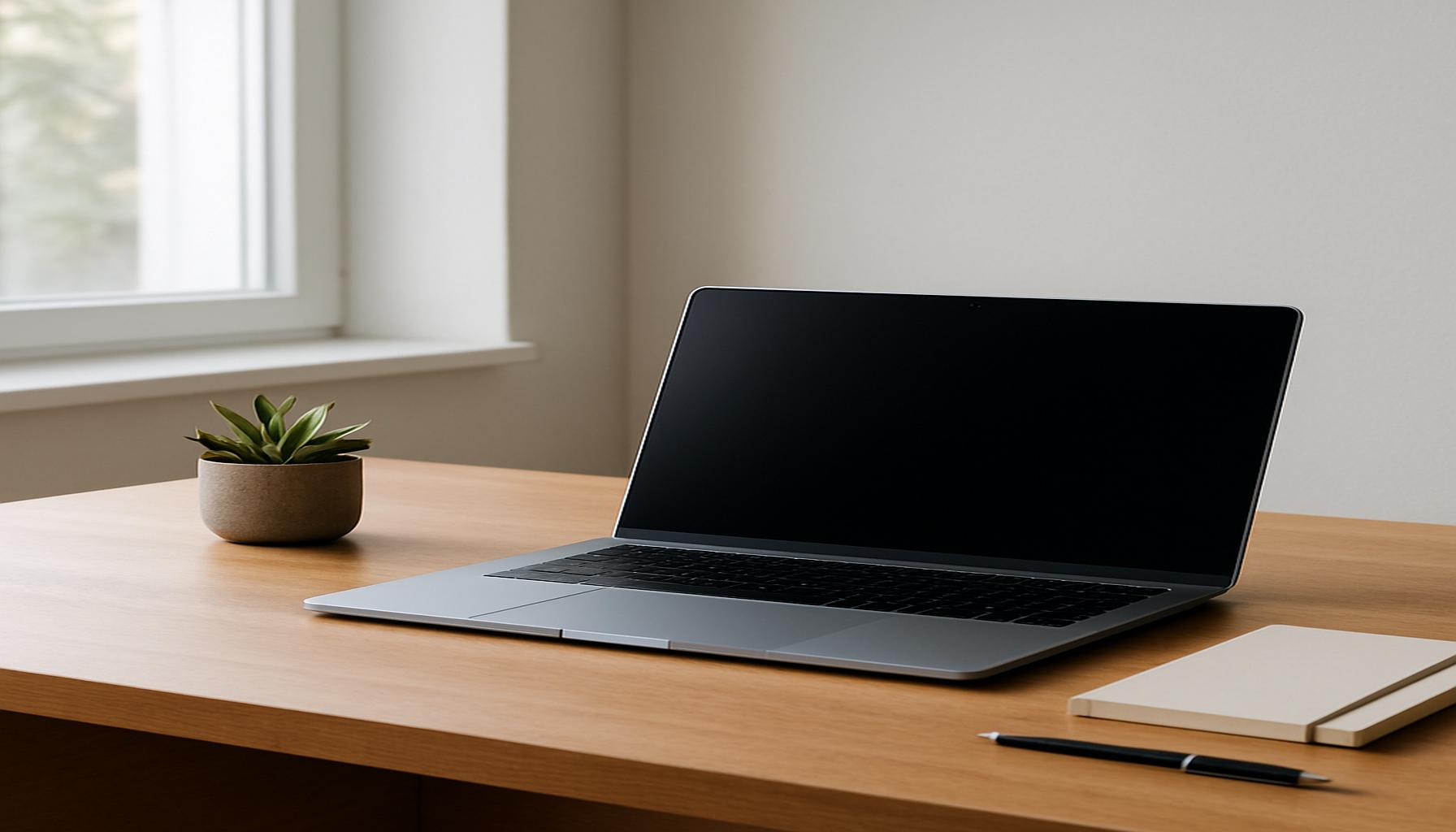
The Impact of Minimalist Work Environments
In recent years, the concept of a minimalist work environment has quickly evolved from a niche trend into a mainstream ideology embraced by many organizations. Professionals today are inundated with distractions, be it from excessive digital notifications, unnecessary office clutter, or an overwhelming amount of information vying for their attention. A minimalist workspace acts as a reprieve from this chaos, allowing individuals to declutter not just their physical surroundings, but also their minds.
One of the primary advantages of adopting a minimalist setup is the enhanced focus it offers. Research shows that environments with fewer visual distractions help improve cognitive function. For instance, a study conducted by the University of California found that participants working in less cluttered spaces completed tasks 30% faster than those in more chaotic settings. This trend speaks volumes about the cognitive advantages of simplicity.
Furthermore, minimalism stimulates boosted creativity. When the brain is free from the burden of extraneous details and objects, it encourages the flow of new ideas. Companies such as Google and Apple are prime examples. They integrate minimalist design principles in their offices, fostering environments that inspire creativity and innovation. In fact, some of their most groundbreaking products were conceptualized in spaces that embraced minimal aesthetics.
An organized workspace contributes significantly to improved well-being. When surroundings are neat and streamlined, stress levels can decrease markedly. According to a study by the Princeton Neuroscience Institute, clutter can actually overload the visual cortex, making it harder to concentrate and thus elevating anxiety. Employees who work in tidy environments report feeling more in control and significantly less stressed, which in turn can lead to higher job satisfaction and productivity.
As more companies recognize the benefits of minimalist design, they are investing in creating environments that prioritize employee well-being. Adjustable desks, ample natural lighting, and open spaces promote both focus and creativity. Furthermore, remote work setups are often designed with minimalism in mind, allowing individuals to create personal workspaces that enhance their productivity.
In conclusion, the move towards minimalism in workspaces is not merely an aesthetic choice; it’s a fundamental shift in how we approach productivity. By embracing a minimalist work environment, individuals and organizations can unlock deeper focus, foster creative thinking, and ultimately, create a more peaceful and productive work culture. Are you ready to reassess your workspace and discover the transformative power of minimalism?
Understanding Minimalism in Workspaces
The essence of a minimalist work environment revolves around the principle of simplicity. It is about stripping away the non-essential elements to create a space that fosters clarity, concentration, and creativity. Organizations adopting this philosophy often leverage design elements that promote an open layout, natural lighting, and reduced visual clutter. Such considerations are not merely aesthetic; they play a vital role in enhancing employee performance and morale.
To fully grasp the impact of minimalism on focus and creativity, it’s essential to examine the key components that define a minimalist workspace:
- Decluttered Space: A workspace devoid of unnecessary items allows employees to concentrate on their tasks without the distraction of extraneous objects. By maintaining only essential items on desks or work surfaces, individuals can minimize the cognitive load that comes from navigating a cluttered environment.
- Purposeful Design: Every element in a minimalist workspace is intentional, contributing to functionality and comfort. For instance, choosing ergonomic furniture not only elevates the aesthetic but also promotes better posture and reduces discomfort during work hours.
- Natural Elements: Incorporating plants and natural light can significantly improve mental well-being. Research indicates that exposure to nature has calming effects, which, in turn, can boost focus and creativity. Studies have shown that even small amounts of greenery can reduce stress and increase feelings of happiness amongst office workers.
- Flexibility: A minimalist environment often features flexible workstations, allowing for different work styles and preferences. This adaptability enables employees to personalize their space according to their needs, which can lead to improved satisfaction and productivity.
Moreover, the ethos of minimalism is deeply linked to the concept of mindfulness. By creating a work environment that promotes intentionality, employees are encouraged to engage more thoughtfully with their tasks. This heightened awareness can lead to improved focus, as individuals are less likely to be bombarded by distractions that stem from an overcrowded space.
Studies have shown that individuals who work in minimalist environments tend to be more engaged and efficient in their roles. The absence of visual chaos reduces decision fatigue—a phenomenon where the brain becomes overwhelmed from grappling with too many choices throughout the day. By simplifying the workspace, employees can focus their energy on what truly matters: their tasks and collaborative projects.
With the growing trend towards remote work, the principles of minimalism have gained further traction. Professionals are discovering the importance of crafting personal workspaces that embody these minimalist ideals. From reducing physical clutter to optimizing digital workflows, individuals have the opportunity to design their environments in ways that best support their productivity and creativity.
Incorporating a minimalist design in work environments isn’t just about personal preference; it’s a strategic decision that can yield significant benefits for both individuals and organizations alike. As the movement towards minimalism in workspaces continues to gain momentum, having a clear understanding of its applications and benefits is essential for today’s modern workforce.
Creating a Minimalist Work Environment: The Impact on Focus and Creativity
The concept of a minimalist work environment is rooted in the idea that a simpler space enhances both focus and creativity. With fewer distractions, individuals can concentrate better, leading to improved productivity. This approach not only organizes physical spaces but also fosters mental clarity. When designing a minimalist workspace, one should consider the use of neutral colors and uncluttered layouts, as they can greatly influence mood and creativity. Research indicates that the visual complexity of a work environment can impact cognitive load; hence, reducing visual noise is crucial. Elements such as ample natural light, functional furniture, and intentional use of decor can create an atmosphere conducive to deep work and innovative thought. Moreover, a minimalist approach encourages the organization of tasks, making it easier to prioritize and manage time effectively. Clutter has been shown to raise stress levels, while a streamlined environment tends to enhance focus, thus inviting more creativity. Companies and individuals who adopt this style often report higher levels of job satisfaction and collaborative efficiency.To further explore how a minimalist work environment can transform your workday, consider the benefits illustrated in the following table.
| Category 1 | Category 2 |
|---|---|
| Enhanced Focus | Minimized distractions lead to improved concentration levels. |
| Increased Creativity | Cleaner spaces stimulate innovative thinking and problem-solving. |
Creating a minimalist workspace is more than an aesthetic choice; it’s a transformative practice that can significantly impact your professional output and satisfaction. By simplifying your environment, you not only declutter your physical space but also free your mind to foster deeper focus and unleash your creativity.
The Psychological Effects of Minimalism on Workflow
The adoption of a minimalist work environment does not solely rest on physical space; it extends deeply into the psychological realm. The principles of minimalism resonate with a growing body of psychological research that highlights how a simplified environment can enhance cognitive function. According to studies published in the Journal of Environmental Psychology, workers in minimalist spaces tend to report lower levels of stress and higher levels of job satisfaction. This phenomenon is attributed to a reduced cognitive load, allowing employees to dedicate their mental resources to creative problem-solving rather than being weighed down by excessive stimuli.
Importantly, the design of these simplified environments often aligns with the principles of neuroscience. Research indicates that a cluttered environment can trigger feelings of anxiety and distraction, which ultimately hampers focus and creativity. A study from the University of California found that individuals in cluttered workspaces experienced a 30% increase in stress hormones. In contrast, minimalist settings tend to facilitate a sense of calm and order, which encourages individuals to immerse themselves fully in their tasks.
Encouraging Collaboration and Innovation
Beyond individual benefits, minimalism can foster collaborative efforts and spur innovation within teams. The open layouts typical of minimalist environments promote natural interaction among employees, paving the way for the exchange of ideas. By eliminating physical barriers, organizations invite spontaneous conversations that may lead to groundbreaking solutions. For example, companies like Google and Apple employ minimalist designs that encourage not just individual productivity but also teamwork, reinforcing the concept that less can indeed be more.
Moreover, the deliberate use of color and light in a minimalist workspace plays a crucial role in its effectiveness. For instance, research from the Psycho-architecture Institute suggests that colors such as blue and green can enhance concentration, while yellow can stimulate creativity. By strategically selecting colors and incorporating natural light sources, businesses can leverage these psychological effects to create an environment that inspires innovative thinking and productive collaboration.
Adapting Minimalist Principles to Remote Work
With the rise of remote work, the principles of minimalism have evolved to fit into personal home workspaces. Many individuals are discovering that implementing minimalist strategies in their home offices significantly impacts their productivity. This shift has highlighted the importance of creating designated areas that are free from distractions, thereby drawing clear lines between work and leisure. Employees who set boundaries by maintaining minimal clutter in their home workspaces often find that they can transition more smoothly into work mode when it’s time to engage with projects.
In fact, a survey conducted by the Remote Work Institute showed that 75% of remote workers reported improved focus and higher creative output when employing minimalist design elements in their work-from-home setups. The ability to shape one’s environment not only fosters a sense of ownership but also enhances overall well-being, which is crucial for sustained productivity in remote scenarios.
As conversations around mental health in the workplace continue to gain momentum, embracing a minimalist approach may serve as a viable solution. By understanding the profound relationship between our surrounding environment and our mental state, organizations and individuals alike can harness the potential of minimalism to drive focus, creativity, and well-being.
Conclusion
In conclusion, creating a minimalist work environment holds profound implications for enhancing focus and stimulating creativity. As we’ve explored, adopting a simplified workspace actively contributes to improved mental clarity and reduced stress levels, fostering an atmosphere conducive to productivity. Within the context of both in-office and remote work settings, the shift towards minimalism offers a strategic advantage, not only for individual workers but also for teams aiming to innovate and collaborate effectively.
The psychological benefits of minimalism cannot be overstated—by reducing clutter and distractions, employees are better equipped to harness their creative potential and engage deeply with their tasks. Moreover, the encouragement of spontaneous dialogue in open, minimalist spaces promotes teamwork and the exchange of ideas, crucial for driving innovation in today’s fast-paced business world.
As remote work continues to redefine our professional landscapes, integrating minimalist principles into home offices has become increasingly important. Individuals who curate their workspaces mindfully often report having clearer boundaries between work and leisure, resulting in higher productivity and satisfaction. The data suggests that the investment in a minimalist environment pays off significantly, yielding tangible benefits for both mental well-being and organizational success.
Ultimately, as we navigate the complexities of modern work life, embracing minimalism could be a key strategy for fostering a culture of focus and creativity. Organizations and individuals alike are encouraged to delve deeper into minimalist practices, aligning physical spaces with psychological needs to unlock their full potential. In this pursuit, the less-is-more philosophy may just provide the clarity necessary to thrive in an ever-evolving workspace.
Related posts:
The Art of Saying No: How Minimalism Can Improve Your Decisions
How Minimalism Can Increase Your Daily Productivity
Creating Minimalist Workspaces: How the Environment Influences Productivity
Minimalism and the Art of Saying No: Focusing on What Really Matters
How Minimalism Can Increase Your Daily Productivity
Minimalism and Mental Health: How Fewer Things Can Lead to More Clarity and Focus

Linda Carter is a writer and organization expert specializing in minimalism and personal organization. With extensive experience helping individuals create clutter-free, functional spaces and adopt mindful habits, Linda shares her knowledge on our platform. Her goal is to empower readers with practical advice and strategies to simplify their lives, stay organized, and achieve a sense of calm and balance in their daily routines.