Minimalist Organization Strategies for an Efficient Home Office
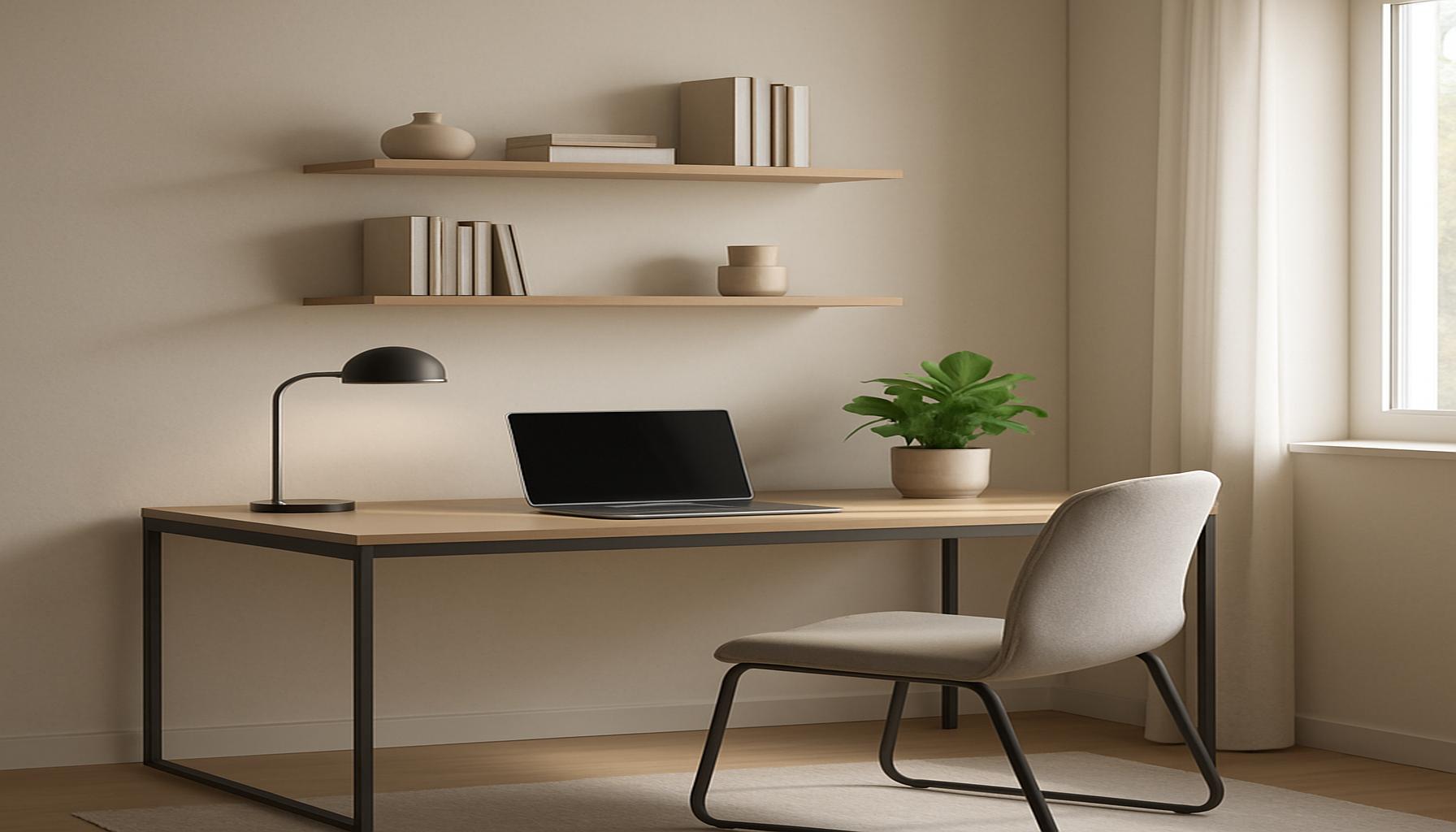
Creating an Efficient Home Office
In today’s fast-paced world, having a well-organized home office is crucial for maximizing productivity. A cluttered workspace can easily lead to diminished focus and increased stress levels, making it harder for individuals to perform at their best. Implementing minimalist organization strategies simplifies your workspace, helping to reduce distractions and enabling you to concentrate fully on your tasks. By utilizing effective techniques, you can transform your environment into a sanctuary of creativity and efficiency.
Consider these key benefits of minimalism in your home office:
- Increased Focus: A tidy workspace helps support concentration. Research has shown that clean environments can enhance cognitive performance. For instance, workers in an uncluttered space are less likely to feel overwhelmed, which translates to better decision-making and problem-solving capabilities.
- Enhanced Productivity: Streamlined tools and resources lead to quicker task completion. When everything is organized and easily accessible, you can save precious time that would otherwise be wasted searching for items. Studies indicate that individuals can gain back hours of productivity by merely organizing their workflow.
- Stress Reduction: Clutter-free surroundings promote a calm mindset. Psychological studies have revealed that physical clutter can negatively impact mental clarity. A minimalist approach allows for a serene environment that can foster creativity and reduce anxiety levels, which is vital in preventing burnout.
Implementing a minimalist approach can be as simple as reorganizing your desk or decluttering your digital files, but the rewards are profound. Here are some practical strategies you might explore:
- Limit Decorations: Choose a few meaningful items instead of a plethora of decorations. For example, a framed family photo or a motivational quote can serve as perfect reminders, fostering a sense of personal connection without overwhelming your space.
- Use Multi-functional Furniture: Opt for items that serve multiple purposes, like a desk with built-in storage or a comfortable chair that can double as a reading nook. The versatility of such furniture not only maximizes space but also ensures that every piece in your home office has a purpose.
- Establish a Daily Routine: Create systems for handling paperwork and assignments efficiently. Consider allocating specific time slots for tasks such as checking emails or filing documents. This systematic approach can help manage your workload more effectively, ensuring that your responsibilities do not overwhelm your space or your mind.
By embracing these minimalist organization strategies, you pave the way for an efficient home office environment. It’s not just about aesthetics; it’s about creating a space that truly works for you. The pursuit of minimalism in your workspace can lead to not just improvement in productivity but also a revitalization of your overall work experience, allowing you to thrive in your professional endeavors.
Key Strategies for a Streamlined Home Office
Adopting minimalist organization strategies for your home office involves a thoughtful examination of your space and how you use it. Simplification allows you to eliminate unnecessary distractions, ultimately fostering a more efficient working environment. Here are some key strategies you can employ to achieve a minimalist and organized workspace that caters to productivity:
- Declutter Regularly: Regular decluttering is essential for maintaining an organized space. Set a recurring schedule, such as the first Monday of every month, to assess your items. Ask yourself what is essential and what can be removed. A general rule is to keep only items that serve a purpose or bring you joy—this is at the core of the minimalist philosophy.
- Organize with Purpose: Utilize organizers, trays, and bins to create designated spaces for your supplies. Labeling these spaces ensures that everything has a home, making it easier to find and return items quickly. For instance, consider incorporating drawer organizers for pens, documents, and cables so that everything is visually accessible yet neatly tucked away.
- Digital Decluttering: The physical state of your desk is not the only area needing attention; your digital workspace requires equal effort. Start by organizing your email inbox, filing documents into appropriate folders, and deleting files you no longer need. Aim for a system that allows you to find digital files easily. Many professionals recommend a zero inbox policy as a goal, which can substantially improve focus and reduce digital clutter.
- Embrace Minimal Technology: While technology is a boon for productivity, too many devices can complicate your workspace. Assess your tech gadgets and keep only those that enhance your work. Perhaps you might find that a simple laptop and a smartphone suffice, allowing you to retire devices that only add to the clutter.
Incorporating these strategies will help you develop a more efficient home office that aligns with minimalist principles. By actively managing your workspace and consciously selecting only what you need, you can create an environment conducive to both creativity and productivity.
Furthermore, as you embrace these principles, consider how your surroundings can further support your objectives. For example, opt for natural lighting wherever possible, as it positively impacts mood and alertness. Adding a few low-maintenance houseplants can not only beautify your space but also enhance air quality and add a splash of life to your organization.
In the following sections, we will explore additional strategies and tools that can be invaluable in your journey towards a well-organized and efficient home office, allowing you to harness the power of minimalism in every aspect of your work routine.
| Strategy | Benefits |
|---|---|
| Decluttering | Enhances focus by minimizing distractions, allowing for greater productivity. |
| Goal-oriented Spaces | Allocating specific areas for tasks can boost efficiency and streamline workflow. |
| Digital Organization | Utilizing digital tools to manage files reduces paper clutter and increases accessibility. |
| Functional Furniture | Ergonomically designed furniture supports health and can improve concentration. |
Adopting minimalism in the home office not only creates a sleek aesthetic but also significantly enhances work performance. The practice of decluttering, for instance, is not merely about tidiness, but rather about creating a workspace that fosters creativity and concentration. Studies show that a clear environment can lead to clearer thoughts, offering a conducive backdrop for innovative ideas to flourish.Furthermore, establishing goal-oriented spaces within the home office lays the foundation for organized activities. By designating specific areas for tasks, individuals can cultivate a mental connection between space and purpose, ensuring a more fluid workflow throughout the day. In addition, taking the plunge into digital organization can facilitate a transition away from reliance on physical documents. This shift not only streamlines access to information but also contributes to an environmentally conscious workspace.To elevate comfort, the selection of functional furniture plays a crucial role. Investing in ergonomically designed items promotes health and well-being, which are vital for sustained productivity. Exploring these strategies can lead to a more efficient and enjoyable work-from-home experience, making it worthwhile to rethink your current office setup.
Enhancing Functionality and Aesthetics
In the quest for a truly effective and minimalist home office, the interplay between functionality and aesthetics cannot be overlooked. Crafting a workspace that is both beautiful and practical opens new avenues for inspiration and efficiency. Below are additional strategies that integrate design principles with minimalism to elevate your home office experience:
- Opt for Multi-Functional Furniture: Selecting furniture pieces that serve multiple functions can significantly cut down on clutter. For example, a sleek desk with built-in storage compartments or a bookshelf that doubles as a room divider can help maximize space. Consider investing in an adjustable standing desk, which not only promotes better posture but also transforms your workspace according to your needs, creating a fluid workspace without excess furniture.
- Create Zones for Different Activities: Dividing your home office into specific zones can help streamline your workflow. For instance, have a dedicated area for deep work that is free from distractions, and another nook for brainstorming or meetings. Utilize furniture placement and area rugs to visually differentiate these zones without the need for physical barriers, promoting both organization and focus.
- Color Psychology: The colors you choose for your workspace can influence mood and productivity. Soft, neutral tones can cultivate a calm atmosphere, while accent colors like blues and greens can enhance creativity and focus. Paint an accent wall with a color that energizes you or incorporate colorful accessories that resonate with your workspace goals for an invigorating ambiance.
- Utilize Wall Space Wisely: In a minimalist home office, vertical space is invaluable for maintaining order. Use wall-mounted shelves to store books and office supplies, keeping them readily accessible while freeing up desk space. This approach not only reduces clutter but also lends an airy feel to the room. Pegboards and wall organizers can also provide a chic way to keep smaller essentials visible and organized without crowding your workspace.
Beyond layout and visual appeal, enhancing your office’s efficiency through smart technology and ergonomic design increases both comfort and productivity.
Leveraging Smart Technology
In today’s digital age, technology plays an indispensable role in optimizing your workspace. Integrate smart devices that simplify organization and communication. For instance, using cloud storage solutions like Google Drive or Dropbox not only helps in reducing paper clutter but also provides immediate access to your files from any device. Additionally, task management apps, such as Trello or Asana, can streamline your projects and deadlines with ease.
Ergonomics and Comfort
Finally, never underestimate the importance of a comfortable work environment. An ergonomic chair that provides support is crucial for long hours of productivity and can actually aid in your concentration. Pair it with a screen that is positioned at eye level to minimize strain on your neck and eyes. Pay attention to your overall comfort; simple adjustments, such as the height of your desk or the placement of your keyboard, can drastically enhance your overall efficiency and well-being.
Incorporating these minimalist organization strategies will significantly enhance both the functionality and aesthetic appeal of your home office. By harmonizing design and utility, you pave the way for a space where creativity flourishes and productivity thrives.
Conclusion
In transforming your home office into an efficient, minimalist haven, the integration of functional design, smart technology, and comfort considerations plays a pivotal role in enhancing both productivity and ambiance. The journey towards a minimalist workspace is not merely about decluttering; it’s about creating a tailored environment that supports your workflow while reflecting your personal style. By adopting multi-functional furniture, you not only save space but also foster a versatile atmosphere conducive to creativity and focus. Furthermore, delineating zones for different activities ensures that your productivity remains high while minimizing distractions.
Color psychology and thoughtful use of wall space can further elevate the efficiency of your workspace, inviting a sense of tranquility and inspiration. In addition, advancements in smart technology provide invaluable tools that streamline tasks and keep your office organized, ultimately reducing the chaos that often accompanies remote work. As you invest in ergonomic furniture and consider the layout of your office, keep in mind the importance of creating a comfortable environment tailored to your needs.
By implementing these minimalist organization strategies, you can cultivate a workspace that not only ignites productivity but also brings clarity and calm to your work life. Embrace this minimalist approach, allowing you to focus on what truly matters—your work—and pave the way for limitless creativity and achievement from the comfort of your home office.
Related posts:
The Art of Doing Less: How Minimalism Increases Personal Productivity
Minimalism and the Art of Saying No: Focusing on What Really Matters
The Importance of a Minimalist Workspace in Maximizing Concentration
Minimalist Organization Strategies Reduce Stress Boost Focus
Digital Minimalism: Tools and Techniques to Reduce Distractions and Increase Focus
The Art of Doing Less: How Minimalist Productivity Transforms Your Daily Routine

Linda Carter is a writer and organization expert specializing in minimalism and personal organization. With extensive experience helping individuals create clutter-free, functional spaces and adopt mindful habits, Linda shares her knowledge on our platform. Her goal is to empower readers with practical advice and strategies to simplify their lives, stay organized, and achieve a sense of calm and balance in their daily routines.