How to Simplify Your Daily Routines to Reduce Stress and Promote Well-Being
The Need for Simplification
In an era characterized by rapid technological advancements and constant connectivity, individuals in the United States often find themselves overwhelmed by an incessant barrage of commitments. Daily life has transformed, with busy work schedules, endless to-do lists, and ever-present digital distractions contributing to elevated stress levels. Research indicates that chronic stress can lead to serious health issues, including anxiety disorders, depression, and cardiovascular problems, underscoring the importance of finding balance.
Take, for instance, the average American worker, who is now expected to manage more tasks than ever before. A 2020 Gallup study found that over 80% of employees express feeling stressed at work. Meanwhile, the average adult spends upwards of 11 hours a day interacting with digital media, leading to fatigue and a diminished capacity for focus. These scenarios exemplify how modern demands can create a cycle of chaos, leaving individuals feeling trapped and overwhelmed.
Implementing Effective Strategies
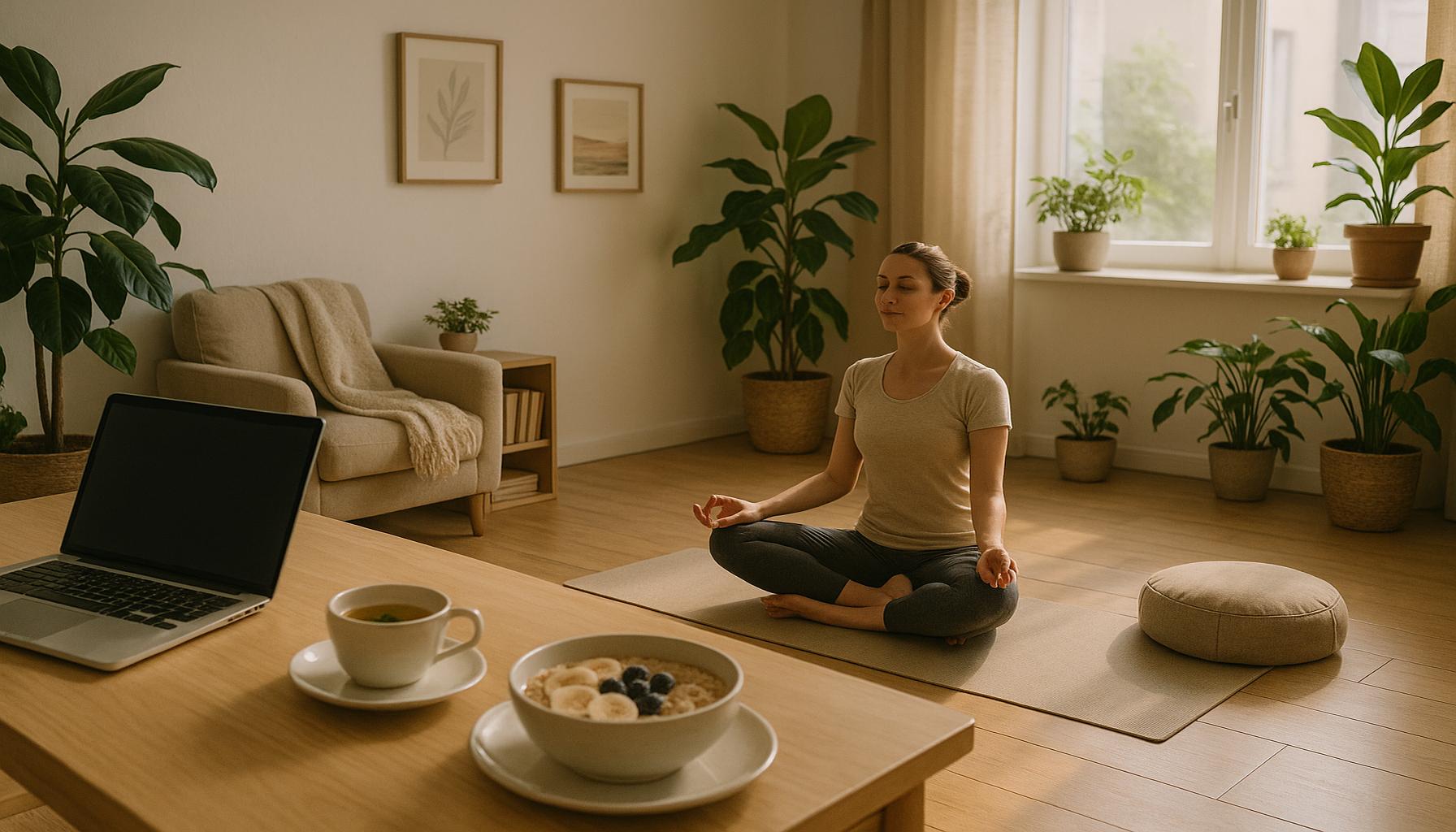
To combat this chaos, it is essential to adopt effective strategies aimed at simplifying daily routines. One powerful method is establishing a morning routine, which fosters a sense of control and preparedness for the day ahead. Research has shown that consistent morning practices, such as meditation or light exercise, can significantly enhance mood and productivity. For example, individuals who engage in just 10 minutes of mindfulness meditation often report a notable decrease in stress levels throughout the day.
Another impactful strategy is decluttering your environment. Studies have suggested that people who maintain organized spaces tend to experience reduced psychological stress. For instance, a tidy workspace not only boosts focus but also encourages a more inviting atmosphere that enhances creativity. Consider the example of Marie Kondo, whose decluttering philosophy has inspired countless individuals to create harmonious living spaces by letting go of items that no longer spark joy.
Additionally, setting boundaries with technology is vital in minimizing distractions and reclaiming time. For example, individuals can designate specific hours for checking emails or social media, allowing for uninterrupted periods dedicated to deep work or family interactions. By consciously limiting screen time, people often find an increased ability to engage with tasks meaningfully and cultivate stronger relationships.

The Benefits of Simplifying Your Life
By integrating these strategies into daily routines, individuals can experience a profound reduction in stress and an uplifting enhancement of their overall well-being. A well-structured life is not merely about productivity—it also nurtures meaningful connections and a deeper appreciation for everyday moments. Simplifying life’s complexities paves the way for personal growth and fosters resilience against the inevitable stressors of modern living.
In conclusion, embracing simplicity is a transformative journey that encourages reflection and intentionality. Join us as we delve deeper into practical methods that can serve not only as stress relievers but also as catalysts for a fulfilled and balanced life.
Essential Practices for Daily Simplification
Establishing a structured approach to daily life can fundamentally alter how individuals manage their responsibilities while reducing stress. Implementing deliberate practices—both big and small—ensures that a chaotic routine transforms into a more manageable and fulfilling experience. Here, we delve into actionable strategies that promote simplicity and cultivate peace of mind.
The Power of Prioritization
One of the cornerstones of simplifying daily routines is prioritization. Without it, tasks can easily pile up, leading to feelings of overwhelm and anxiety. Start each day by creating a priority list that details the most critical tasks to complete. This can be broken down into three categories: must-do, should-do, and nice-to-do. By concentrating on what truly matters, individuals can better navigate their days.
- Must-Do: Tasks that are essential for fulfilling responsibilities, such as attending important meetings or submitting reports.
- Should-Do: Tasks that are important for personal growth or relationship-building, such as exercising or connecting with a friend.
- Nice-to-Do: Non-urgent tasks that can enhance daily life but are not immediately critical, like organizing a closet or trying out a new recipe.
By focusing on these categories, you can transform how you approach your day, making it much less daunting.
Time Management Techniques
Another effective strategy to simplify daily routines is to employ time management techniques. The Pomodoro Technique, for example, encourages maintaining high productivity while also allowing for breaks. By working in 25-minute intervals followed by a 5-minute break, individuals can avoid burnout and maintain focus. Adopting this method not only enhances work output but also contributes to a greater sense of accomplishment throughout the day.
Streamlining Decision-Making
Decision fatigue is a significant contributor to stress; therefore, streamlining decision-making can be instrumental in reducing pressure. One approach is to establish default options for routine choices. For instance, plan meals for the week every Sunday evening to reduce the daily stress of “What’s for dinner?” or lay out clothes the night before to streamline your morning routine. These small adjustments can lead to significant reductions in daily stress.
Mindful Breaks and Breathing Exercises
Integrating mindful breaks into the daily routine serves as a vital countermeasure to stress. Research shows that even short pauses for deep breathing can have a profound effect on mental clarity and emotional stability. Consider scheduling several 5-minute breaks throughout your day to engage in deep breathing or mindful meditation. This practice can reset your focus and bring tranquility back into your chaotic environment.
Each of these practices serves as a stepping stone towards a more simplified, stress-free life, enhancing both productivity and personal well-being. The journey may require patience and persistence, but the rewards are undeniable—ultimately leading to a more gratifying lifestyle enriched with meaningful connections and reduced tension.
Embracing Minimalism in Daily Activities
One effective method to simplify your daily routines and manage stress is by embracing minimalism. This approach encourages individuals to reduce clutter in both their physical environments and mental space. By decluttering your living and working areas, you can create a more peaceful atmosphere that fosters clear thought and productivity. Studies show that a tidy environment can enhance focus and reduce feelings of anxiety, thus promoting a greater sense of well-being.
Streamlining Daily Tasks
Another step towards simplifying routines is to streamline daily tasks. Consider creating a daily schedule or a to-do list that prioritizes essential tasks while eliminating or delegating less critical ones. This not only helps in managing time more efficiently but also minimizes feelings of being overwhelmed. Tools like digital planners or task management apps (such as Todoist or Trello) can aid in keeping track of your activities with ease.
Establishing Healthy Meal Prep Habits
Prepping meals in advance is a fantastic way to simplify your mealtime routine and reduce stress around food choices. Spend some time during the weekend to plan your meals for the week ahead. This not only saves time during busy weekdays but also promotes healthier eating habits. Having nutritious meals readily available decreases the temptation to opt for convenience foods, enhancing your overall health and well-being.
Practicing Mindfulness
Incorporating mindfulness practices into your daily routine is another excellent strategy for reducing stress. Simple practices such as meditation, deep-breathing exercises, and even short walks can help center your mind and enhance emotional well-being. Mindfulness encourages you to stay present in the moment, which can significantly reduce anxiety related to past or future concerns.
Utilizing Technology Wisely
While technology can sometimes contribute to stress, when used wisely, it can also simplify our lives. Automate routine tasks such as bill payments with banking apps, and utilize grocery delivery services to save time. Optimal use of technology can help you stay organized and free up precious time, which you can redirect towards activities that promote well-being.
| Category | Benefits |
|---|---|
| Minimalism | Reduces clutter; enhances focus |
| Meal Prep | Saves time; promotes healthier eating |
By incorporating these strategies, you’ll find that not only do you simplify your everyday routines, but you also pave the way for a less stressful and more balanced lifestyle.
Creating Balance Through Simplification
To foster a life filled with well-being, it is essential to create a balance between professional responsibilities and personal pursuits. Simplifying daily routines not only alleviates stress but also provides the opportunity to engage in activities that nourish the soul. Below, we explore various strategies designed to promote a balanced lifestyle through simplification.
Embracing Minimalism in Your Environment
A cluttered environment can significantly affect mental clarity and peace of mind. Embracing minimalism serves as a powerful approach to simplifying daily routines. Start by decluttering your living and workspace. Take inventory of items you truly need and cherish, and consider donating or discarding anything that adds visual chaos without value to your life. This process can lead to a more organized and serene atmosphere, which inherently contributes to better mental health. Studies show that individuals in tidy environments often report lower levels of stress and greater focus.
Additionally, opt for multi-functional furniture or storage solutions, which can minimize the number of items in your space. By curating your environment, you will cultivate a sanctuary that promotes relaxation and well-being.
Establishing Routines Through Rituals
Turning daily tasks into rituals can help integrate mindfulness into your routine. Instead of viewing chores as mundane necessities, approach them as acts of self-care. For example, transform the act of making your morning coffee into a ritual by savoring each step, from grinding the beans to enjoying the aroma. This simple shift in perspective can transform your mood and instill a sense of purpose in ordinary tasks.
Creating a morning and evening routine can also foster stability and predictability in your life. Including elements such as journaling, reading, or stretching can give your day structure, infusing it with intentionality. By developing consistent rituals, you not only create meaningful moments but also reduce the mental burden of decision-making throughout the day.
Integrating Technology Mindfully
In our technology-driven world, finding a balance between connectivity and disconnect is crucial. Integrating technology mindfully means utilizing digital tools that simplify rather than complicate. Use productivity apps or digital planners to manage tasks and appointments effectively, allowing you to stay organized and informed. However, it’s equally important to set boundaries with technology. Designate tech-free zones or times in your house where you can disconnect and be present in the moment.
Engaging in face-to-face interactions and conversations without the interference of screens can foster deeper connections with others, minimizing the feelings of isolation that often accompany digital communication. Furthermore, reducing time spent on social media can enhance mental clarity and control over one’s emotional landscape.
Cultivating Self-Compassion
Finally, cultivating self-compassion acts as a foundational aspect of simplifying daily routines. Many individuals are hard on themselves when they fall short of their own expectations. Adopting a kinder internal dialogue can alleviate feelings of inadequacy and stress. Focus on acknowledging achievements, no matter how small, and allow grace for setbacks or imperfections.
Practices such as positive affirmations or engaging in self-care activities help foster a nurturing relationship with oneself. Prioritizing moments of self-kindness will not only ease stress levels but also encourage resilience, enabling individuals to navigate their daily challenges with greater ease.
By incorporating these strategies into your life, simplification becomes not just an act but a lifestyle choice that can ultimately lead to enhanced well-being and a more joyful, fulfilling existence.
Conclusion
In a world that constantly pushes for higher productivity and faster results, simplifying your daily routines can be a revolutionary approach to reclaiming peace of mind and enhancing overall well-being. By integrating practices such as minimalism in your physical environment, transforming mundane tasks into meaningful rituals, and mindfully using technology, you create a framework that supports a balanced lifestyle. These small yet impactful changes cultivate a sense of calm and purpose, allowing you to find joy in simplicity.
Furthermore, nurturing self-compassion is vital in this journey. It reminds us that we are all human, worthy of kindness and support, especially during challenging times. As you embrace these strategies, remember to view them as not just changes to implement but as a holistic lifestyle shift. The cumulative effect of simplifying your daily routine can lead to lower stress levels, improved mental clarity, and deeper connections with yourself and others.
As we explore the ongoing quest for personal well-being, consider this: the less we complicate our lives, the more space we create for joy, creativity, and fulfillment. By making simplicity a priority, you set the stage for a life enriched with purpose and serenity. Take the first step today towards a simpler, healthier, and more meaningful existence—your future self will thank you.
Related posts:
Developing a Minimalist Work Routine to Increase Productivity
How simplicity in daily routines can increase productivity
The Importance of Morning Rituals in Minimalist Personal Organization
Integration of mindfulness practices into minimalist daily routines
Eliminating Waste: Tips for Creating a Minimalist Personal Care Routine
Digital Detox Rituals: Incorporating Minimalism into Daily Interactions

Linda Carter is a writer and organization expert specializing in minimalism and personal organization. With extensive experience helping individuals create clutter-free, functional spaces and adopt mindful habits, Linda shares her knowledge on our platform. Her goal is to empower readers with practical advice and strategies to simplify their lives, stay organized, and achieve a sense of calm and balance in their daily routines.